Written by Kadek Darma
A biologically appropriate diet for your furry companion should ideally include a variety of low-glycemic vegetables and polyphenol-rich fruits. Adding fresh fiber to your pet’s bowl plays a crucial role in supporting their digestive function and overall gut health.
One unconventional vegetable you might consider adding to their diet is okra. Beyond being a simple source of roughage, research suggests this ancient plant is packed with prebiotics and bioactive compounds that may benefit your pet in surprising ways.
Key Takeaways
- Okra provides prebiotic fiber that nourishes the gut microbiome and promotes digestive balance.
- Bioactive compounds like quercetin and glutathione help support your pet’s natural antioxidant defenses.
- You can serve okra raw or steamed as a low-calorie training treat or meal topper.
- Always keep "extra" treats to less than 10% of your pet’s total daily caloric intake.
- Source your produce carefully to ensure you are providing the highest quality ingredients for your pet.
Understanding the Benefits of Okra
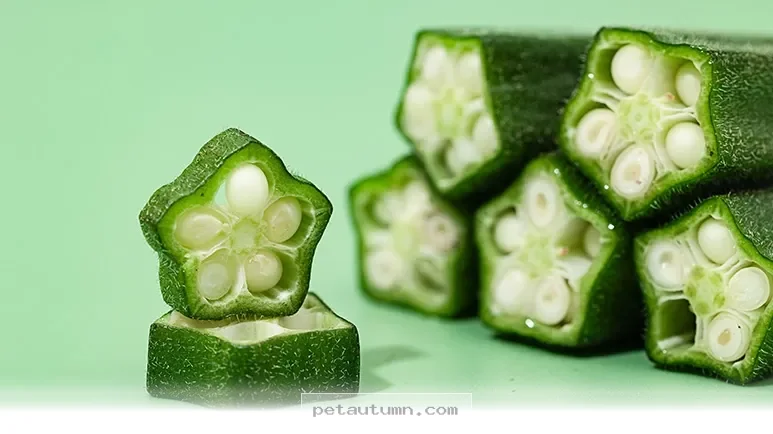
Okra, scientifically known as Abelmoschus esculentus, is a unique, hairy annual plant from the mallow family. You might recognize it by its distinct green, finger-like pods, which contain small seeds and a natural mucilage that acts as a thickening agent when cooked.
While it is a staple in many human kitchens, it is also a fantastic, nutrient-dense addition for your pet. This vegetable is surprisingly rich in fiber, which helps keep your pet’s digestion moving smoothly while providing essential nourishment for the beneficial bacteria living in their gut.
1. Powerful Bioactive Compounds
Okra is much more than just fiber, as it contains impressive levels of phenolic compounds and polysaccharides. These elements act as natural protectors, helping your pet’s body maintain its resilience against environmental stressors.
Specifically, okra contains quercetin, a compound known for its ability to support a healthy inflammatory response. By scavenging reactive oxygen species, these compounds help your pet’s system remain balanced and efficient.
2. Supporting Gut Health
The prebiotic fiber found in okra is a game-changer for maintaining a diverse and healthy gut microbiome. A thriving population of good bacteria is essential for your pet’s immune function and overall vitality.
When your pet’s gut is healthy, they are better equipped to absorb nutrients from their primary diet. Feeding small, fresh portions of this veggie can be a gentle way to boost their daily intake of beneficial prebiotics.
3. A Source of Essential Nutrients
Beyond fiber, okra is a notable source of "the master antioxidant" known as glutathione. This essential molecule assists in cellular repair and helps the body process various toxins more effectively.
Additionally, okra contains lutein and zeaxanthin, which are carotenoids famous for supporting eye health. If you are looking for a natural way to bolster your pet’s nutritional intake, these compounds make okra a smart, functional choice.
Comparison of Popular Vegetable Toppers
| Vegetable | Primary Benefit | Best Served |
|---|---|---|
| Okra | Prebiotic fiber & antioxidants | Steamed or raw |
| Green Beans | Low calorie filler | Steamed |
| Carrots | Vitamin A & crunch | Raw or cooked |
| Spinach | Iron & vitamins | Lightly steamed |
How to Safely Prepare Okra for Your Pet
If you decide to introduce this veggie to your companion, keep things simple and safe. Follow these steps to ensure a positive experience:
- Source organic produce: Choose organic okra whenever possible to avoid pesticide residues.
- Wash thoroughly: Always rinse the pods under cool, running water to remove dirt.
- Keep portions small: Slice the okra into bite-sized pieces to prevent any choking hazards.
- Choose your cooking method: You can serve it raw if your pet enjoys the crunch, or lightly steam it to soften the texture.
- Monitor for reactions: Start with a very small amount to ensure your pet’s tummy handles it well.
Tips for Healthy Feeding
- Always integrate new vegetables slowly into your pet’s existing routine.
- Avoid using butter, salt, or garlic when preparing okra for your pet.
- Use a food processor to puree the okra if your pet is a picky eater.
- Store your fresh okra in the refrigerator crisper drawer to maintain its firmness.
The information on petautumn.com is for general informational purposes only and does not constitute veterinary advice. Pet health needs vary by breed, age, and individual condition. Always consult a licensed veterinarian before making decisions about your pet’s health, diet, or medical treatment. Pet Autumn is not affiliated with any veterinary organization, pet food manufacturer, or breeder.
Adding a little variety to your pet’s diet can be a fun and rewarding way to show them extra love. By choosing nutrient-dense options like okra, you are taking a proactive step toward supporting their long-term health and wellness.
Remember that while these treats are healthy, they should never replace a nutritionally complete and balanced diet. If you have questions about your pet’s specific dietary needs, it is always a great idea to chat with your veterinarian during your next visit.

Cat care writer at petautumn.com. English Literature graduate (S.S) from Universitas Udayana. Covers cat breeds, behavior, nutrition, grooming, and health. Cat mom to Luna and Lina. Based in Austin, Texas.