Written by Ayu Pratiwi
Opening your heart to a rescue animal is a journey filled with unexpected twists and heartwarming moments. You never truly know what life has in store when you bring a stray into your home.
Sometimes, a single act of kindness ripples outward to save more lives than you ever imagined. This is the story of one brave kitten who taught her human family exactly what it means to be a survivor.
Key Takeaways
- Rescuing a pregnant cat often means providing a safe harbor for an entire litter.
- Early medical intervention is vital for kittens born with congenital chest or breathing issues.
- Patience and consistent socialization help timid rescue kittens blossom into confident companions.
- Monitoring growth patterns can help you recognize early signs of developmental health concerns.
The Unexpected Rescue Mission
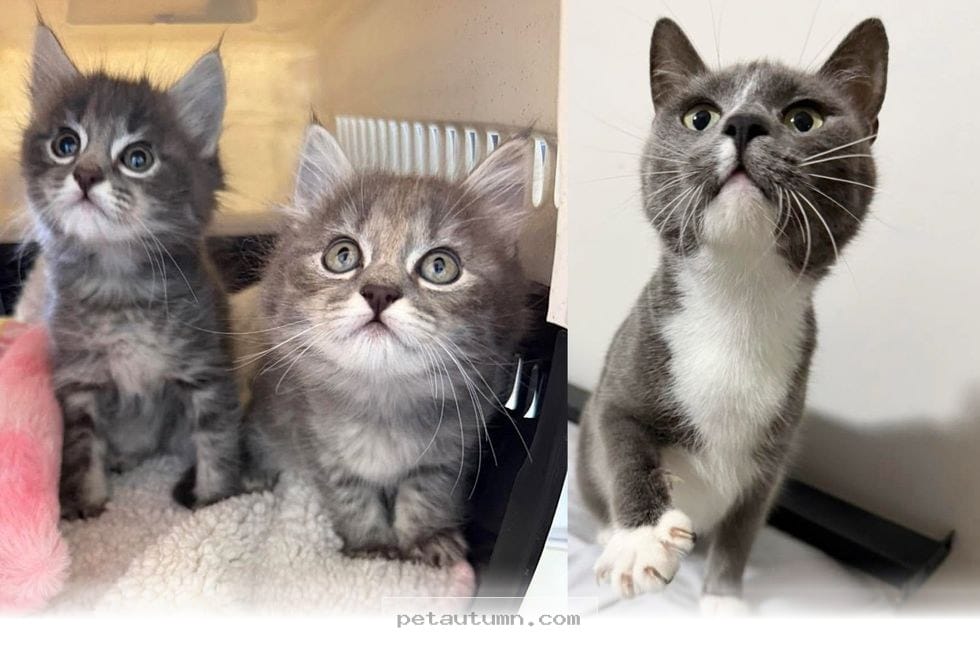
When Amy Bojo and Megan Marie first encountered a pregnant stray, they knew they could not just walk away. They opened their doors to provide a safe space for the mother cat to deliver her babies.
What they did not realize was that this decision would lead to the discovery of a tiny, courageous kitten in need of extra help. This brave soul arrived with unique challenges that required constant monitoring and deep devotion.
Transitioning from the initial rescue to daily care requires a focused mindset and a gentle touch.
Understanding Congenital Kitten Health
Many kittens rescued from the streets suffer from various health hurdles that aren’t immediately obvious. It is helpful to know what to look for when you bring a new kitten into your care.
1. Common Signs of Kitten Health Struggles
If you are fostering or have adopted a kitten, keep a close eye on these potential indicators of health issues:
- Labored breathing or rapid panting after minimal activity
- Failure to gain weight or lethargy during playtime
- Abnormal chest shape or sunken sternum appearance
- Chronic sneezing or persistent nasal discharge
- Hiding excessively or showing signs of pain when handled
2. Preparing Your Home for a Special Needs Kitten
You need to create a secure, quiet environment to help a fragile kitten feel safe. Consistency is your best tool when managing a pet with health challenges.
- Use soft bedding to provide warmth and comfort for their joints.
- Keep food and water bowls easily accessible to reduce physical strain.
- Limit exposure to loud noises or chaotic household activities.
- Establish a routine for feeding, play, and observation.
| Category | Action | Status |
|---|---|---|
| Environment | Soft, warm, and quiet | Optimal |
| Observation | Daily weight checks | Caution |
| Medical | Professional vet screening | Warning |
Why Professional Guidance Matters
Caring for a kitten with chest issues or congenital defects can be overwhelming for a new pet owner. You should lean on professional resources to guide your care plan.
According to the ASPCA, specialized care and early socialization are critical for kittens with developmental needs. You must prioritize building a relationship with a local veterinarian who understands the specific needs of rescue animals.
3. Steps for a Successful Rescue Journey
Following a structured approach will ensure you provide the best possible life for your new companion.
- Schedule an initial wellness exam within the first 48 hours.
- Maintain a detailed log of your kitten’s eating and sleeping habits.
- Keep vaccinations up to date to prevent common feline illnesses.
- Socialize the kitten slowly to build trust and emotional resilience.
- Provide high quality nutrition tailored to their life stage and health.
Effective communication with your vet ensures that you recognize subtle shifts in your kitten’s behavior. Small changes in their daily habits often provide the first clues that they need extra support.
Building a Lifelong Bond
The journey of caring for a brave kitten is one that changes you forever. You learn that resilience is not just about survival, but about the love you share every day.
As your kitten grows, those early days of worry will transform into memories of shared play and quiet cuddles. You have given them a chance to thrive, and they will repay you with a lifetime of affection.
The information on petautumn.com is for general informational purposes only and does not constitute veterinary advice. Pet health needs vary by breed, age, and individual condition. Always consult a licensed veterinarian before making decisions about your pet’s health, diet, or medical treatment. Pet Autumn is not affiliated with any veterinary organization, pet food manufacturer, or breeder.
Saving lives is a beautiful responsibility that requires dedication and a heart wide open to possibilities. Every kitten deserves a home where their courage is recognized and their health is nurtured with care.
Thank you for choosing to be a hero to a small, brave soul. Your decision to adopt makes a world of difference for animals waiting for their own happy ending.

Cat care writer at petautumn.com. English Literature graduate (S.S) from Universitas Udayana. Covers cat breeds, behavior, nutrition, grooming, and health. Cat mom to Luna and Lina. Based in Austin, Texas.