Written by Ayu Pratiwi
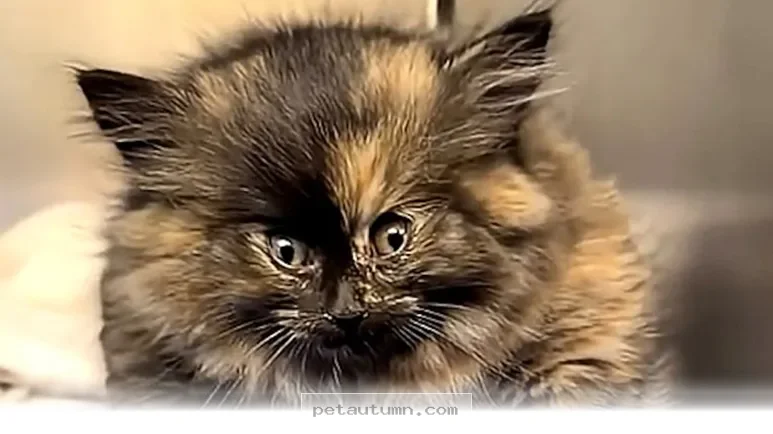
Have you ever heard of a kitten who looked like a tiny, inflated balloon? That was the reality for a sweet soul named Zoe, who arrived at a rescue center facing a mysterious and life-threatening condition.
When she was just a few weeks old, air began to collect under her skin, causing her body to swell to several times its normal size. It was a race against time for the veterinary team to figure out how to help such a fragile, small patient survive.
Key Takeaways
- Subcutaneous emphysema occurs when air becomes trapped under the skin.
- This condition in kittens is often linked to trauma or respiratory issues.
- Early intervention by a professional is vital for a positive outcome.
- Zoe’s recovery shows that even severe cases can have a happy ending.
- Always monitor your kitten for sudden changes in body shape or breathing.
Understanding Subcutaneous Emphysema in Cats
Subcutaneous emphysema happens when air leaks from the lungs or the windpipe and gets trapped in the tissue layers beneath the skin. While it sounds terrifying, the air itself is not the primary disease but rather a symptom of an underlying problem.
In many cases, this occurs due to a puncture in the airway or a ruptured lung lobe. For a kitten as small as Zoe, the pressure caused by this trapped air can make it incredibly difficult for the heart and lungs to function properly.
Common Signs to Watch For
If you notice your kitten acting differently, keep an eye out for these specific physical cues. You should contact your veterinarian immediately if you observe the following:
- A sudden, soft swelling beneath the skin that feels like bubble wrap.
- Visible puffiness around the neck, chest, or shoulder area.
- Difficulty breathing or rapid, shallow breaths.
- Lethargy or a lack of interest in eating or playing.
- Unusual crackling sounds when you gently touch the swollen areas.
How Vets Approach Treatment
Managing this condition is delicate work that requires a steady hand and a calm environment. For a kitten, the goal is to remove the excess air while addressing the source of the leak so it does not continue to accumulate.
Vets often use small needles to decompress the area, allowing the trapped air to escape safely. This procedure must be done slowly to ensure the kitten remains stable throughout the process.
Comparing Common Respiratory Concerns
| Condition | Severity | Typical Approach |
|---|---|---|
| Minor Upper Respiratory Infection | Low | Supportive care and rest |
| Subcutaneous Emphysema | High | Decompression and stabilization |
| Asthma | Moderate | Long-term management |
| Pneumothorax | Critical | Emergency surgical intervention |
Table notes: High severity items require immediate veterinary attention.
The Journey to Recovery
Zoe’s journey was not a quick fix, but rather a series of small, hopeful steps toward wellness. The veterinary team had to monitor her around the clock to ensure the air did not return after being released.
Because kittens have such small, developing bodies, they require a very specialized approach. It is truly heartening to see how these tiny creatures can bounce back once they receive the right medical support.
Tips for Supporting Your Recovering Kitten
- Keep your kitten in a quiet, low-stress environment to prevent rapid breathing.
- Ensure they have easy access to fresh water and soft, high-quality food.
- Limit physical activity until your veterinarian confirms the air leak has fully resolved.
- Keep a close log of their breathing rate and energy levels to share with your vet.
- Provide plenty of gentle comfort and warmth to help them feel secure.
A Second Chance at Life
Watching Zoe transform from a frightened, swollen kitten into a playful, curious companion is a beautiful reminder of resilience. She spent weeks in care, slowly healing and learning what it felt like to be a normal, happy kitten.
Today, she spends her time chasing toys and cuddling with her humans, completely unaware of the ordeal she survived. Her story is a testament to the importance of quick action and the dedication of those who care for animals in need.
The information on petautumn.com is for general informational purposes only and does not constitute veterinary advice. Pet health needs vary by breed, age, and individual condition. Always consult a licensed veterinarian before making decisions about your pet’s health, diet, or medical treatment. Pet Autumn is not affiliated with any veterinary organization, pet food manufacturer, or breeder.
If you ever find yourself worried about a sudden change in your pet, remember that professional guidance is the most important step. You are their best advocate, and your observation skills are their first line of defense against health complications.
Take comfort in knowing that many conditions, while scary at the start, can be managed effectively with the right team. Cherish the moments you have with your furry friend, and keep their health a top priority every single day.
Cat care writer at petautumn.com. English Literature graduate (S.S) from Universitas Udayana. Covers cat breeds, behavior, nutrition, grooming, and health. Cat mom to Luna and Lina. Based in Austin, Texas.