Written by Kadek Darma
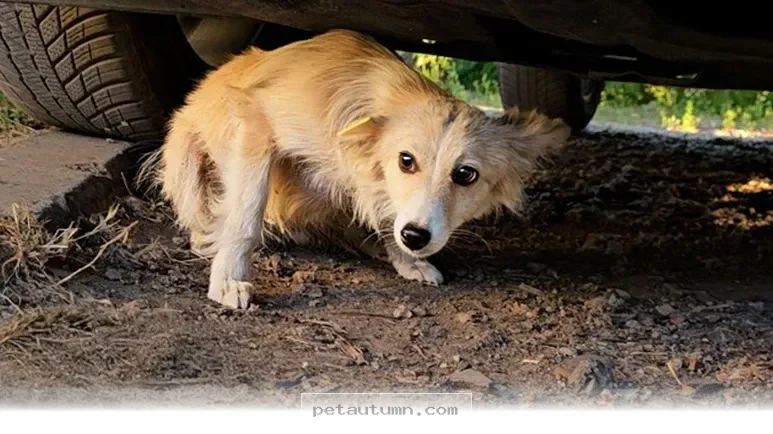
Walking into a rescue shelter, you might notice a dog curled tightly in the back of their kennel. For dogs like Lily, the world was once a place of fear, pain, and uncertainty that left deep emotional scars.
Watching a dog transform from a terrified soul into a joyful companion is one of the most rewarding experiences a pet owner can have. It requires patience, but the bond you build is truly unbreakable.
Key Takeaways
- Patience and a consistent routine are the foundations of building trust with a traumatized rescue dog.
- The presence of a confident, calm canine mentor can help a shy dog mirror positive behaviors.
- Recognizing subtle signs of stress helps you provide the safe space your dog needs to decompress.
- Healing is a non-linear process that rewards those who move at the dog’s own pace.
Understanding the Signs of Trauma
Every dog expresses past trauma in different ways, and you must learn to read your new friend’s unique language. If your dog is struggling, they might exhibit behaviors that are simply their way of saying they feel unsafe.
Common Signs of Fear or Anxiety
- Cowering or tucking the tail between their legs.
- Excessive panting or pacing even when resting.
- Refusing to make eye contact with you.
- Hiding under furniture for extended periods.
- Startling easily at sudden noises or movements.
Healing is a journey that requires you to be a calm and steady leader for your dog.
How to Build Trust with a Rescued Dog
If you are bringing home a dog with a history of abuse, the first few weeks are critical for their long-term development. You are their new safe harbor, and they need to learn that you are a source of comfort rather than fear.
1. Create a Predictable Environment
Dogs thrive on routine because it removes the anxiety of the unknown. Keep your feeding, walking, and bedtime schedule as consistent as possible to help them feel secure in their new home.
2. Give Them Personal Space
It is tempting to shower a new rescue with affection, but space is often the best gift you can offer. Allow your dog to approach you on their terms, and never force them into an interaction if they seem overwhelmed.
3. Use Positive Reinforcement
Focus on rewarding the behaviors you want to see, like sitting calmly or making eye contact. Use high-value treats and gentle praise to create a positive association with your presence and your home.
4. Lean on Canine Mentors
If you already have a well-adjusted, confident dog, they can act as a bridge to normalcy. Observing another dog interact safely with you shows your new pet that you are a trustworthy friend.
Comparing Training Approaches
Choosing the right way to support your dog is vital for their emotional growth. Refer to the table below to understand how your approach impacts their progress.
| Approach | Impact on Dog |
|---|---|
| Positive Reinforcement | Builds confidence and strengthens your bond. |
| Forced Socialization | Increases anxiety and may cause defensive reactions. |
| Strict Scheduling | Provides a sense of security and lowers stress levels. |
Consistency in your methods will help your dog navigate their new world with much more confidence.
Essential Supplies for Your New Arrival
Having the right tools helps you manage the transition smoothly and safely. Before your new companion arrives, ensure you have these items ready to make your house feel like a home.
- A secure, properly fitted harness to prevent escapes during walks.
- A crate or a quiet corner equipped with a comfortable bed.
- Calming pheromone diffusers to help reduce ambient household stress.
- Interactive puzzle toys that encourage engagement without pressure.
- High-quality treats to reward small wins during your daily training.
Always remember that every small step forward is a massive victory for a dog who has known fear.
The information on petautumn.com is for general informational purposes only and does not constitute veterinary advice. Pet health needs vary by breed, age, and individual condition. Always consult a licensed veterinarian before making decisions about your pet’s health, diet, or medical treatment. Pet Autumn is not affiliated with any veterinary organization, pet food manufacturer, or breeder.
Your commitment to your dog’s emotional recovery is a beautiful act of compassion. As you continue your journey together, keep celebrating the small milestones and cherish the growing trust in your dog’s eyes.
Thank you for choosing to provide a second chance to a dog who truly needs it. Your patience and kindness are changing their world, one day at a time. For more tips on behavioral support, you can visit resources like the American Kennel Club to learn more about training techniques.

Dog care writer at petautumn.com. Visual Communication Design graduate (S.Ds) from Universitas Udayana. Covers dog breeds, behavior, training, and gear reviews. Dog dad to Meepo. Based in Austin, Texas.