Written by Kadek Darma
Skin problems are among the most common reasons dogs end up at the veterinary clinic, and when those issues linger for months without improvement, most owners assume it is a simple allergy. While that assumption is sometimes correct, your dog’s chronic skin condition could actually stem from an entirely different source.
The culprit may lie in your dog’s ability to absorb and utilize an essential trace mineral. This condition is known as zinc-responsive dermatosis, and it is a possibility worth exploring if traditional allergy treatments have left you feeling stuck.
Key Takeaways
- Zinc-responsive dermatosis occurs when a dog cannot properly absorb or utilize zinc, leading to visible skin changes.
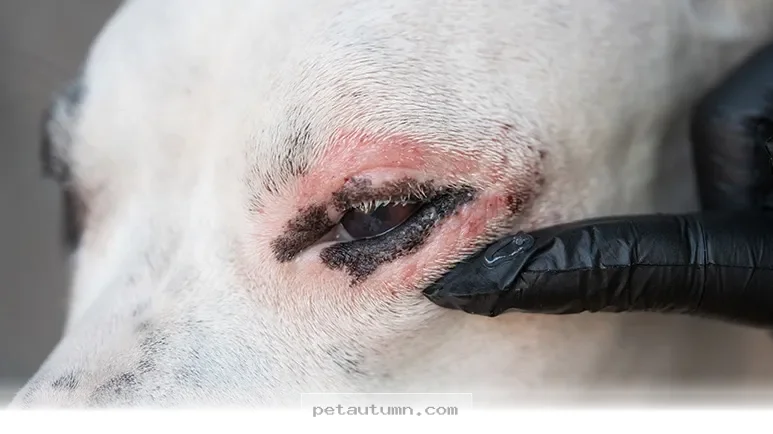
- Common signs include crusty lesions around the eyes, mouth, and pressure points, often accompanied by thickened paw pads.
- Genetic factors make certain breeds like Siberian huskies and Alaskan malamutes more susceptible to this condition.
- Rapidly growing large-breed puppies can develop the condition if their diet contains substances that block zinc absorption.
- Diagnosis typically relies on clinical pattern recognition and skin biopsies rather than unreliable blood tests.
Why Zinc Matters for Your Dog
Zinc is a trace mineral that acts as a vital cofactor for more than 300 enzymes, driving biological processes ranging from immune support to thyroid signaling. Your dog’s skin has one of the highest zinc demands in the body because it is constantly regenerating itself.
Each new generation of skin cells requires zinc to mature properly, organize into protective layers, and maintain a robust barrier. When zinc availability drops, your dog’s skin becomes vulnerable to moisture loss, irritants, and opportunistic microbes.
Recognizing the Signs
If your dog is suffering from a zinc deficiency, you may notice specific patterns that distinguish this condition from common seasonal allergies. Keep a close watch for these symptoms:
- Symmetric crusting around the eyes, mouth, and ears.
- Crusty lesions where skin transitions to mucous membranes.
- Thickened, cracked, or leathery paw pads that cause discomfort.
- A dull, dry coat often associated with secondary yeast or bacterial infections.
- General symptoms like lethargy, poor appetite, or stunted growth in puppies.
Understanding the Two Primary Patterns
Most dogs receive adequate zinc from a balanced diet, so this condition is rarely about the total amount of zinc in the food bowl. Instead, it involves an internal struggle to get that mineral into the bloodstream.
1. The Hereditary Form
Some dogs are born with an inherited absorption defect that makes it difficult for their intestines to process zinc. This is most frequently seen in Nordic breeds like Siberian huskies and Alaskan malamutes.
These dogs often require lifelong management, as even a high-quality, balanced diet may not meet their unique physiological needs. You might notice the first signs appearing in early adulthood, often exacerbated by periods of stress or hormonal changes.
2. The Dietary Form
This pattern is most common in rapidly growing large-breed puppies, such as German shepherds or Great Danes. It usually happens when the diet contains compounds that interfere with zinc uptake, such as excessive calcium or high levels of plant phytates.
| Factor | Effect on Zinc | Status |
|---|---|---|
| High Calcium Intake | Reduces Absorption | Warning |
| Plant Phytates | Blocks Uptake | Caution |
| Balanced Diet | Optimal Levels | Positive |
| Iron-Rich Water | Inhibits Absorption | Warning |
How Your Vet Diagnoses the Condition
Because many skin issues look identical, finding the right diagnosis can be a frustrating journey. You might hope for a simple blood test, but measuring zinc levels in the blood is often unreliable due to lab variability and daily fluctuations.
Your veterinarian will likely focus on ruling out other possibilities like parasites, ringworm, or autoimmune diseases first. They will often perform a skin biopsy to examine the cellular structure of the skin, which can provide much clearer evidence than a blood draw.
Steps for Managing Skin Health
- Consult your veterinarian to rule out common infections, parasites, or environmental allergies.
- Discuss the possibility of zinc-responsive dermatosis if your dog fits the breed or growth profile.
- Review your current diet with your vet to identify potential mineral-blocking ingredients.
- Follow a structured treatment plan, which may include targeted supplementation or dietary changes.
- Monitor your dog closely for four to six weeks to observe improvements in skin and paw pad quality.
Long-Term Outlook and Care
If your dog is diagnosed with the dietary form of this condition, simply adjusting the nutritional balance of their meals can lead to a quick recovery. Many dogs begin to show visible improvements within just a few weeks of starting the correct protocol.
Hereditary cases require a different approach, as your dog will likely need ongoing support to maintain healthy skin. By working closely with your veterinarian, you can create a management plan that ensures your companion stays comfortable and healthy for years to come.
The information on petautumn.com is for general informational purposes only and does not constitute veterinary advice. Pet health needs vary by breed, age, and individual condition. Always consult a licensed veterinarian before making decisions about your pet’s health, diet, or medical treatment. Pet Autumn is not affiliated with any veterinary organization, pet food manufacturer, or breeder.
Understanding the specific needs of your dog’s skin can turn a confusing health struggle into a manageable situation. If you have noticed persistent crusting or thickened paw pads, do not hesitate to schedule a visit with your local clinic to discuss these options.
For more information on general canine health, you can browse resources from the American Kennel Club or consult the American Veterinary Medical Association. Taking these proactive steps will help you provide the best possible care for your dog.

Cat care writer at petautumn.com. English Literature graduate (S.S) from Universitas Udayana. Covers cat breeds, behavior, nutrition, grooming, and health. Cat mom to Luna and Lina. Based in Austin, Texas.