Written by Ayu Pratiwi
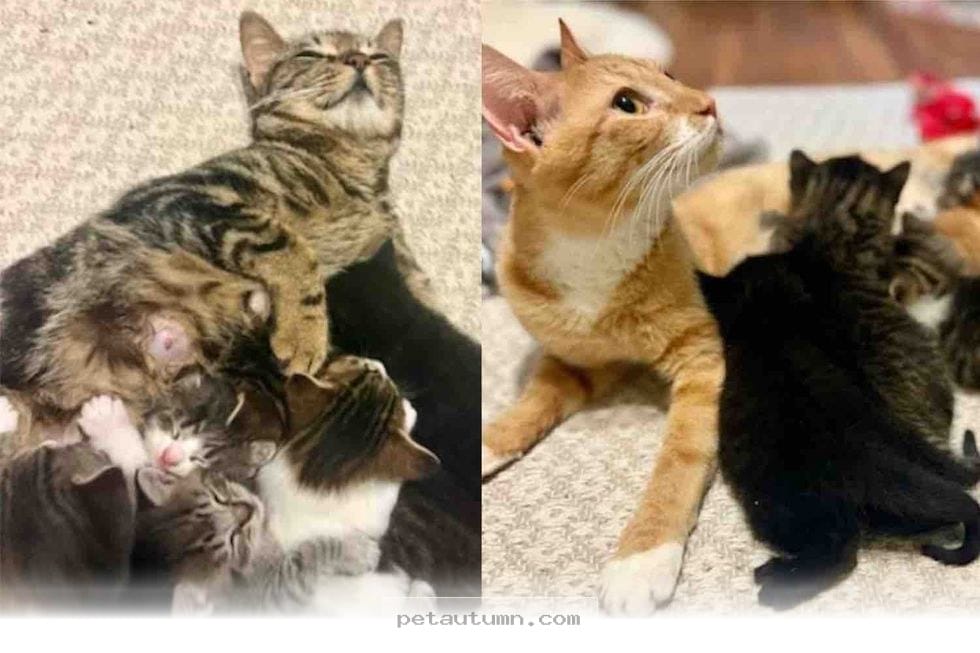
There is something truly magical about the bond between feline mothers. Watching two separate rescues meet and decide to join forces to raise their kittens is a heartwarming reminder of the empathy animals possess.
It is not every day that a shelter witness such a selfless display of community. When these two mother cats crossed paths, they chose cooperation over competition, creating a beautiful blended family.
Key Takeaways
- Feline co-parenting happens when nursing mothers feel secure enough to share resources.
- Proper introductions are vital to prevent stress during the delicate nursing period.
- Shared mothering often leads to better socialization for the kittens involved.
- Environmental enrichment helps reduce tension in multi-cat households.
The Beauty of Feline Co-Parenting
When a mother cat has her own litter to care for, she is usually protective and wary of outsiders. This makes the story of these two rescues even more remarkable because they bypassed their natural instincts to support one another.
This behavior, known as communal nursing, occurs when two or more queens care for kittens as a single group. It is a fascinating phenomenon that highlights the social intelligence of our feline companions.
Transitioning into a shared environment requires careful observation to ensure both mothers remain calm and healthy.
Understanding Communal Nursing
Communal nursing is a survival strategy often seen in colonies where resources are shared. While domestic cats are solitary hunters, they are also social creatures that can thrive in cooperative groups.
When your cats decide to team up, they often synchronize their nursing schedules. This allows each mother to take a well-deserved break while the other watches over the entire nursery.
1. Recognizing the Signs of Compatibility
Before you encourage interaction, you must observe how the cats behave around each other. Friendly body language is a strong indicator that they are ready to become a blended family.
- Slow blinking at each other across the room.
- Grooming one another near the kittens.
- Sleeping in proximity without hissing or growling.
- Sharing food bowls during mealtime without posturing.
2. Preparing Your Home for Two Mothers
If you are welcoming two nursing mothers into your home, preparation is the foundation of success. You need to provide double the resources to prevent any feelings of scarcity or competition.
- Two separate, quiet nesting areas for the initial introduction.
- Extra-large litter boxes placed in low-traffic zones.
- Multiple feeding stations to keep their routines stress-free.
- A sturdy baby gate to allow them to see each other safely.
Comparing Solo vs. Communal Parenting
Managing one mother is quite different from supporting two, and knowing the differences helps you provide better care.
| Factor | Solo Parenting | Communal Parenting |
|---|---|---|
| Socialization | Good | Excellent |
| Resource Needs | Standard | Double |
| Stress Potential | Low | Moderate |
| Supervision | Minimal | High |
This collaborative effort can be incredibly rewarding, provided you monitor the health of every kitten in the group.
Monitoring Health in a Shared Litter
When kittens are raised in a communal nest, you must keep a close eye on their individual growth. Sometimes one mother might favor certain kittens, so weight checks are necessary to ensure everyone is getting enough milk.
Learn more about feline care standards through The American Veterinary Medical Association.
Essential Supplies for Your Nursing Queens
- High-calorie kitten formula (for supplemental feeding if needed).
- Unscented, low-dust clumping litter.
- Soft, washable blankets for frequent bedding changes.
- A digital scale to track daily kitten weight gain.
Managing the Social Dynamics
It is important to remember that not all cats will want to co-parent. If you notice signs of aggression or intense guarding behavior, you should keep the mothers separated for the safety of the kittens.
If the mothers seem relaxed, allow them to set the pace of their relationship. You can read more about feline behavior patterns at The Cornell Feline Health Center.
The information on petautumn.com is for general informational purposes only and does not constitute veterinary advice. Pet health needs vary by breed, age, and individual condition. Always consult a licensed veterinarian before making decisions about your pet’s health, diet, or medical treatment. Pet Autumn is not affiliated with any veterinary organization, pet food manufacturer, or breeder.
Witnessing two rescue cats find comfort in one another is a beautiful testament to the resilience of the animal spirit. Whether they become best friends or simply respectful roommates, their cooperation changes the lives of their kittens for the better.
Thank you for opening your heart and home to these nursing mothers. Your patience and dedication ensure that these kittens grow up in a safe, loving, and supportive environment.
Cat care writer at petautumn.com. English Literature graduate (S.S) from Universitas Udayana. Covers cat breeds, behavior, nutrition, grooming, and health. Cat mom to Luna and Lina. Based in Austin, Texas.