Written by Kadek Darma
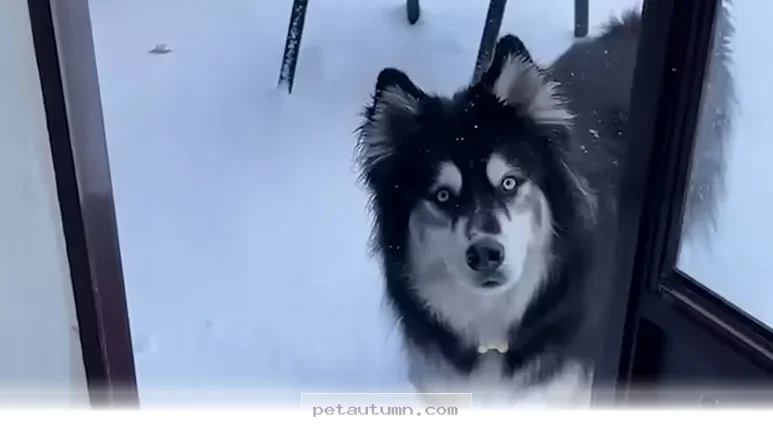
Rescuing a dog is often a journey of patience, love, and unexpected challenges. When Levi the husky first arrived, his spirit seemed dimmed by the harsh realities of his past.
He was thin, weak, and spent his days in a state of quiet lethargy. It took a dedicated veterinary team to look beyond the surface and uncover the underlying tick-borne illness that was stealing his energy.
Key Takeaways
- Lethargy and weight loss in rescued dogs are often signs of underlying medical issues.
- Tick-borne diseases are common but treatable with professional veterinary intervention.
- Patience is the most important tool you have during a rescue dog’s recovery phase.
- Observing behavioral changes helps you understand when your pet is finally feeling like themselves.
- Regular veterinary check-ups are essential for long-term health and wellness.
Understanding Hidden Health Challenges
When you bring a new dog into your home, they might not immediately show their true personality. It is quite common for rescued animals to act reserved or tired while they adjust to their new environment.
However, if your pup remains lethargic or refuses to eat, you should not assume it is just nerves. These signs often point to a health struggle that requires a professional diagnosis.
1. Identifying Common Warning Signs
You know your dog better than anyone else, so trust your gut if something feels off. Keep a close eye out for these specific behavioral and physical changes:
- Extreme lethargy or a sudden lack of interest in play.
- Significant weight loss or a visible decrease in muscle mass.
- Refusal to eat or a very picky appetite.
- Stiffness when moving or difficulty rising from a resting position.
- Changes in gum color or visible signs of pale membranes.
2. The Importance of Professional Care
Once you notice these signs, you must connect with a veterinarian immediately to establish a baseline for your pet’s health. Vets can perform blood panels and physical exams to identify parasites or infections that are not visible to the naked eye.
According to the American Kennel Club, tick-borne diseases are prevalent in many regions and can cause serious complications if left untreated. Getting an accurate diagnosis allows you to provide the support your dog needs to regain their strength.
3. Supporting Your Dog Through Recovery
After a diagnosis, your role shifts from worried observer to active caregiver. You must provide a quiet, comfortable space where your dog can rest and recover without stress.
Consistency in feeding, hydration, and gentle encouragement goes a long way toward building trust. As your dog begins to feel better, you will notice small milestones, such as a wagging tail or a sudden interest in a favorite toy.
Comparison of Recovery Indicators
| Recovery Phase | Behavioral Expectation | Action Required |
|---|---|---|
| Initial Rescue | Withdrawn, shy, or lethargic | Schedule a full veterinary exam |
| Early Treatment | Slight improvement in energy | Follow all medication instructions |
| Mid-Recovery | Increased appetite and curiosity | Gentle, short walks to build strength |
| Full Health | Playful, active, and social | Maintain regular exercise and diet |
Note: Rows marked in green indicate positive progress. Rows marked in yellow indicate caution for monitoring.
Watching the Transformation
The transition from a sickly, tired animal to a vibrant companion is truly heartwarming to witness. For Levi, the recovery process meant moving from sleeping all day to rediscovering the joy of the outdoors.
Watching a dog race through the snow for the first time is a reminder of why we do this. It is a testament to the resilience of our furry friends when they are given proper care and a safe place to land.
The information on petautumn.com is for general informational purposes only and does not constitute veterinary advice. Pet health needs vary by breed, age, and individual condition. Always consult a licensed veterinarian before making decisions about your pet’s health, diet, or medical treatment. Pet Autumn is not affiliated with any veterinary organization, pet food manufacturer, or breeder.
Always remember that every dog recovers at their own pace. What matters most is that you are there to offer comfort, nourishment, and a steady hand during their most vulnerable moments.
If you ever feel overwhelmed by the recovery process, reach out to your local clinic for guidance. You are doing a wonderful thing by providing a second chance at a happy, healthy life for your four-legged family member.

Cat care writer at petautumn.com. English Literature graduate (S.S) from Universitas Udayana. Covers cat breeds, behavior, nutrition, grooming, and health. Cat mom to Luna and Lina. Based in Austin, Texas.