[Last Updated: May 07, 2026]
Written by Ayu Pratiwi
Finding a mother cat living in a feral colony with her tiny kittens is a heartbreaking sight. You often wonder how they survive the harsh elements and lack of steady resources.
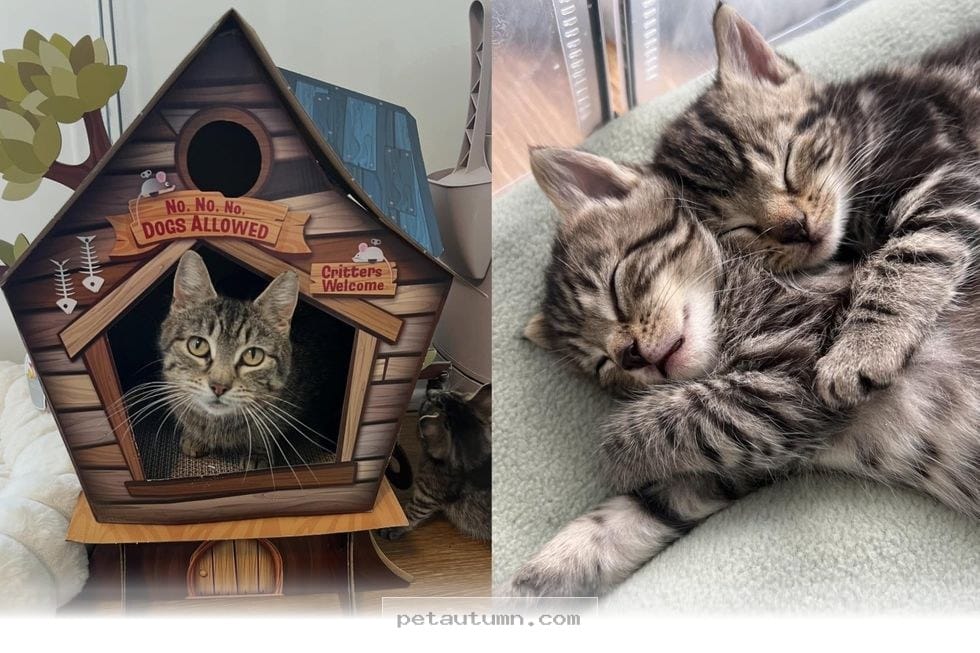
When rescuers finally step in to change their narrative, the transition from survival mode to domestic bliss is truly inspiring. Watching a wary mom cat learn to trust again is a beautiful journey for any foster parent.
Key Takeaways
- Rescuing a colony cat requires patience, a quiet environment, and a slow approach to socialization.
- Mother cats from the streets often prioritize kitten safety over their own comfort during the initial transition.
- Proper veterinary care is essential to treat common issues like parasites or malnutrition in stray litters.
- Successful socialization happens when you allow the cats to set the pace of their interaction.
- Fostering a family provides a stable foundation for kittens to become confident, adoptable pets.
Understanding the Challenges of Colony Rescues
Rescuing a mother cat and her litter from a colony is not as simple as scooping them up. These cats have lived their lives relying on instinct and caution, making them naturally suspicious of human presence.
You might notice that the mother cat remains vigilant and protective even when she is safe indoors. This behavior is a survival mechanism, not a sign of aggression.
Common Symptoms of Newly Rescued Strays
- Persistent hiding or staying in dark, enclosed spaces.
- Hissing or growling when you approach their immediate area.
- Reluctance to eat while humans are watching.
- Dilated pupils or wide-eyed, watchful behavior.
- Sensitivity to loud noises or sudden movements.
Setting Up a Safe Space for Success
Creating a dedicated, quiet room is the first step toward building trust with your new guests. They need a predictable environment where they can decompress away from the chaos of your main household.
Transitioning a feral-born family requires a gentle touch and plenty of time to build confidence.
1. Prepare the Sanctuary Room
Clear out a spare bedroom or a quiet bathroom to serve as their home base. Ensure the space is free of small gaps where the kittens might get stuck or hide permanently.
2. Provide Essential Comforts
- Soft blankets for nesting and warmth.
- Low-sided litter boxes for easy access by kittens.
- High-quality kitten food and plenty of fresh water.
- A sturdy carrier left open so it becomes a safe, familiar den.
- Scratching pads to encourage natural feline behaviors.
3. Establish a Routine
Feed them at the same times every day to build a sense of security. Consistent interaction helps them recognize you as the source of food and safety rather than a threat.
Comparing Care Needs for Strays vs. Socialized Cats
Understanding the difference between a cat raised in a home and one raised in a colony helps you adjust your expectations. While domestic cats are usually eager for affection, colony cats need to be shown that humans are safe.
| Feature | Socialized Cat | Colony Rescue |
|---|---|---|
| Initial Approach | Often affectionate | Cautious and defensive |
| Health Status | Usually stable | May have parasites |
| Trust Level | High | Requires gradual building |
| Risk of Stress | Low | High |
Every rescue story is different, so focus on the progress your specific foster family makes each day.
The Journey to Trust
Socialization is a slow process that rewards you in small, meaningful ways. You will celebrate the first time the mother cat eats while you are in the room.
Soon, you will see the kittens begin to play and explore their surroundings with curiosity. These milestones represent the shift from survival to thriving under your care.
Steps for Gradual Socialization
- Spend time in the room reading or working quietly without forcing interaction.
- Offer high-value treats by hand once they seem more relaxed around you.
- Use interactive toys like feather wands to engage them from a safe distance.
- Speak in a soft, low voice to keep the environment calm and soothing.
- Respect their boundaries if they retreat and try again later.
You can learn more about feline health and behavior through resources like the ASPCA. Consistent, positive reinforcement is the most effective way to help them shed their street-hardened shells.
The information on petautumn.com is for general informational purposes only and does not constitute veterinary advice. Pet health needs vary by breed, age, and individual condition. Always consult a licensed veterinarian before making decisions about your pet’s health, diet, or medical treatment. Pet Autumn is not affiliated with any veterinary organization, pet food manufacturer, or breeder.
Watching a mom cat realize she no longer needs to worry about her kittens is one of the most rewarding experiences you can have as a foster parent. The bond you form during these weeks of recovery is incredibly special.
Even if they remain a bit shy, providing a loving home gives them a chance at a long, happy life. Your patience today creates their security for all the tomorrows to come.

Cat care writer at petautumn.com. English Literature graduate (S.S) from Universitas Udayana. Covers cat breeds, behavior, nutrition, grooming, and health. Cat mom to Luna and Lina. Based in Austin, Texas.