[Last Updated: May 12, 2026]
Written by Ayu Pratiwi
Finding a stray cat wandering near an apartment complex is a heart-wrenching experience for any animal lover. You often wonder how they survived the elements or where their next meal might come from.
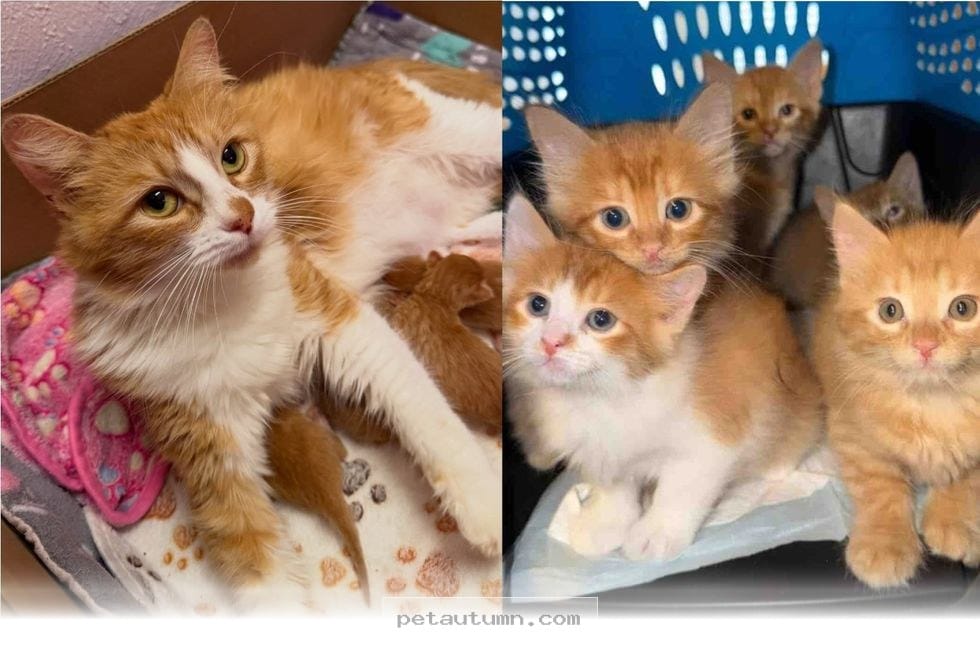
When one kind soul discovered a pregnant stray cat, they had no idea their simple act of kindness would lead to a beautiful story of motherhood and unconventional family bonds. This brave mama cat not only raised her own litter but eventually opened her heart to a tiny orphaned kitten in need.
Key Takeaways
- Rescuing a pregnant stray requires patience, a quiet space, and professional veterinary guidance.
- Mother cats often demonstrate incredible maternal instincts, even toward kittens that are not their own.
- Providing a safe environment helps reduce stress for nursing mothers and their fragile newborns.
- Successful feline socialization relies on consistency, proper nutrition, and plenty of affection.
The Journey of Rescue and Motherhood
The story began when a lonely orange cat was spotted seeking shelter near a busy apartment complex. She was clearly scared and hungry, yet she possessed a gentle spirit that immediately drew her rescuers in.
Once brought into a safe environment, the reality of her situation became apparent very quickly. She was pregnant, and she needed a stable, loving home to prepare for the arrival of her kittens.
1. Preparing for a New Litter
Creating a "nesting" area is one of the most vital steps you can take for a pregnant rescue cat. She needs a warm, secluded, and quiet space away from household noise.
You should provide a shallow box lined with soft, clean blankets that you can easily wash. Ensure she has constant access to high-quality food, as nursing mothers require significantly more calories to maintain their health.
2. Recognizing Motherly Instincts
Most mother cats are naturally protective and attentive toward their kittens. They spend hours grooming, feeding, and keeping their little ones warm during those first critical weeks.
If you are caring for a nursing cat, observe her behavior closely without interfering too much. You might notice her teaching them how to play or correcting them when they wander too far from the nest.
| Phase | Key Observation |
|---|---|
| Early Nursing | High frequency of feeding and grooming. |
| Weaning Period | Mother starts introducing solids to kittens. |
| Socialization | Increased play and exploration of surroundings. |
| Warning Signs | Extreme lethargy or refusal to feed. |
Expanding the Family Circle
The most heartwarming twist occurred when an orphaned kitten was found nearby. Many people wonder if a mother cat will accept a stranger, but this orange mama did not hesitate for a moment.
She treated the newcomer exactly like her own biological kittens, offering the same warmth and nourishment. This behavior is a beautiful testament to the capacity for empathy found within the animal kingdom.
Tips for Introducing an Orphaned Kitten
- Ensure the orphaned kitten is healthy and free of contagious illnesses before introduction.
- Keep the interaction supervised at all times during the first few days.
- Provide extra bedding so all kittens have enough space to snuggle comfortably.
- Monitor the nursing habits to ensure the mother is producing enough milk for everyone.
Benefits and Challenges of Fostering Rescues
- Pros: You save lives, learn about feline behavior, and witness incredible growth.
- Cons: It requires significant time, financial resources, and emotional resilience.
- Challenges: Managing medical needs and potential behavioral quirks of rescue cats.
You can learn more about proper kitten care and developmental milestones by visiting resources like the ASPCA. Always remember that every cat has a unique personality that shines when they feel secure and loved.
Transitioning from a life on the streets to a warm home environment helps rescue cats blossom into confident companions.
Supporting Your Rescue Cat
Building trust with a rescue cat takes time and a gentle approach. Never force interactions, as this can cause unnecessary anxiety for a cat already adjusting to a new environment.
Instead, sit quietly near the nesting area and let the mother cat come to you. Use soft tones when speaking to her and provide plenty of treats as positive reinforcement.
Essential Supplies for New Litters
- High-protein wet food specifically formulated for kittens.
- A large, low-sided litter box for easier access.
- Soft, non-pilling fleece blankets for bedding.
- Interactive toys to stimulate natural hunting instincts.
If you notice any unusual symptoms, contact your veterinarian immediately for guidance. Common signs that something might be wrong include:
- Refusal to eat or drink.
- Persistent sneezing or watery eyes.
- Unusual discharge from the eyes or nose.
- Extreme lethargy or hiding for long periods.
The information on petautumn.com is for general informational purposes only and does not constitute veterinary advice. Pet health needs vary by breed, age, and individual condition. Always consult a licensed veterinarian before making decisions about your pet’s health, diet, or medical treatment. Pet Autumn is not affiliated with any veterinary organization, pet food manufacturer, or breeder.
Watching a rescue cat transform from a frightened stray into a devoted mother is truly a rewarding journey. Your patience and kindness provide the foundation for these animals to live their best lives.
Thank you for choosing to support rescue animals and providing the love they deserve. Whether you are fostering or adopting, you are making a world of difference for a cat in need.

Cat care writer at petautumn.com. English Literature graduate (S.S) from Universitas Udayana. Covers cat breeds, behavior, nutrition, grooming, and health. Cat mom to Luna and Lina. Based in Austin, Texas.