Last Updated: April 5, 2026
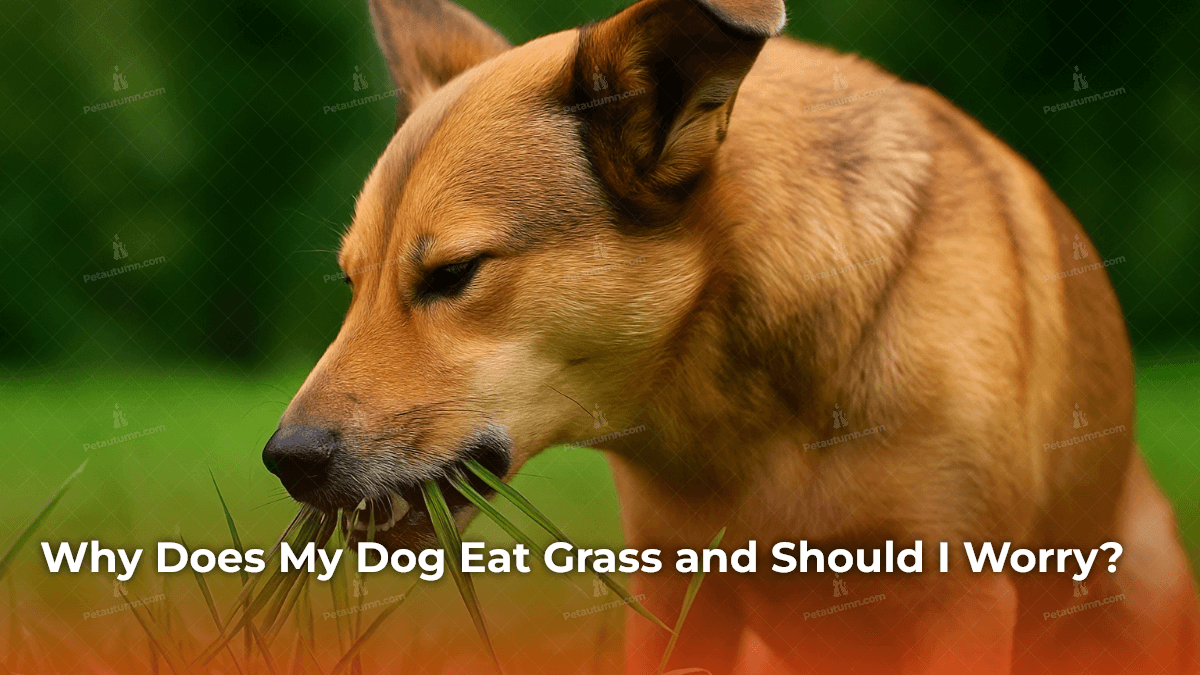
You’re out on a walk, your dog is sniffing around — and then he starts chomping on grass like it’s a salad bar. Sound familiar?
If you’ve ever watched your dog munch on a patch of lawn and thought something must be wrong, you’re not alone. It’s one of the most Googled dog behavior questions out there, and vets hear it practically every day. The short answer? Most of the time, it’s completely normal. But there are a few situations where it’s worth paying closer attention — and that’s exactly what we cover here on Pet Autumn.
The good news is that grass eating is rarely a sign of a serious problem. That said, understanding why your dog does it can help you figure out if and when you need to act.
Key Takeaways
- Grass eating is common in dogs and usually not a sign of illness.
- Most dogs do not vomit after eating grass — less than 25% do, according to research.
- Possible reasons include instinct, taste preference, boredom, hunger, and fiber needs.
- The main risks aren’t the grass itself — it’s pesticides, herbicides, and parasites on it.
- If your dog eats grass obsessively, refuses food, or vomits repeatedly, call your vet.
Is It Normal for Dogs to Eat Grass?
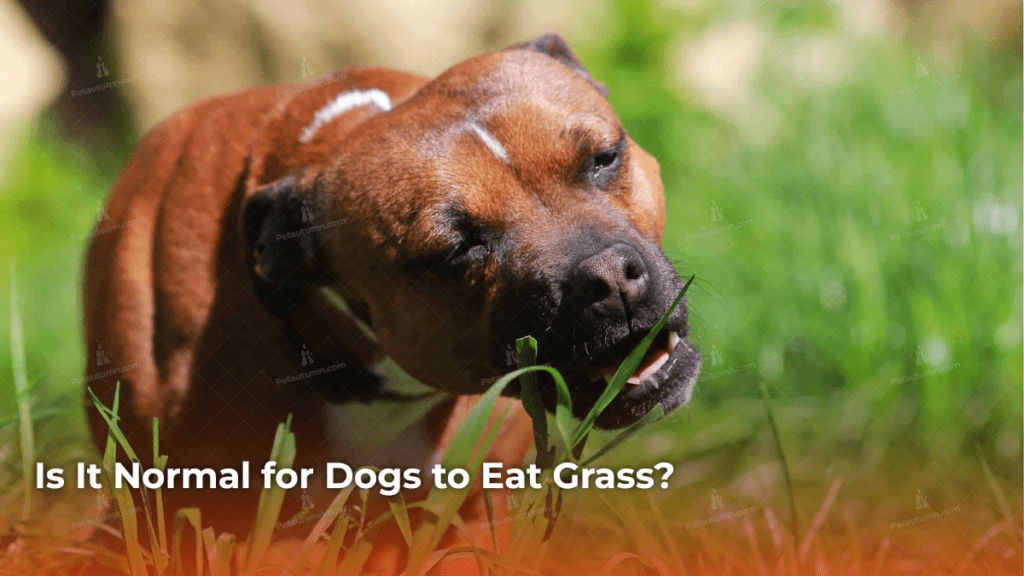
Short version — yes. Dogs have been eating grass for as long as they’ve existed alongside humans, and probably longer.
What the Research Actually Shows
A widely cited 2008 survey of around 1,500 dog owners found that nearly 70% reported their dogs ate grass or plants on a regular basis — either daily or at least weekly. Only about 10% showed any signs of illness before eating grass, and fewer than 25% vomited afterward.
That lines up with what most vets say: grass eating is a normal canine behavior, not a red flag.
How Common Is Grass Eating in Dogs?
Extremely common. It’s one of those things almost every dog owner experiences at some point. Younger dogs seem to do it more often than older ones, and it tends to spike between April and August — possibly because the grass is fresher, greener, and more appealing during warmer months.
6 Reasons Your Dog Eats Grass
There’s no single explanation that covers every dog. But these are the most likely reasons, based on veterinary research and — honestly — years of watching Meepo do exactly this.
Instinct From Their Wild Ancestors
Dogs aren’t strict carnivores. Their wild ancestors — wolves, foxes, coyotes — ate entire prey animals, including the stomach contents, which often contained plant material. Research on wolf scat shows that 11% to 47% of wolves eat grass, depending on the study. So your dog’s grass habit might just be hardwired.
They Just Like the Taste
Sometimes the simplest answer is the right one. Some dogs genuinely enjoy the texture and taste of fresh grass — especially in spring and summer when it’s tender. Meepo does this thing where he carefully selects specific blades, like he’s browsing a menu. It’s weird. But it’s very much a preference, not a problem.
Boredom or Anxiety
A dog left alone in the backyard with nothing to do will find something to do. And sometimes that something is eating grass. Anxious dogs may also graze as a self-soothing behavior — kind of like how some people bite their nails without realizing it.
If you notice grass eating increases when your dog gets less interaction or exercise, boredom is likely the culprit.
Hunger or Fiber Deficiency
Here’s an interesting one. In a case report cited by veterinary researchers, an 11-year-old Miniature Poodle had eaten grass and vomited for seven years. The behavior stopped completely after the dog was switched to a high-fiber diet.
That’s just one case, but it suggests some dogs may be reaching for grass because their current food doesn’t provide enough fiber. Dogs need roughage to keep digestion running smoothly, and grass is a source of it — even though it passes through mostly undigested.
Curiosity, Especially in Puppies
Puppies explore the world with their mouths. Grass, dirt, sticks, your shoes — everything is fair game. Most puppies try grass at some point, and plenty of them outgrow it. Some don’t. (Ask us how we know.)
Attention-Seeking Behavior
Some dogs figure out pretty quickly that eating grass gets a reaction. You call them, redirect them, maybe offer a treat to distract them. Congratulations — your dog just trained you.
Do Dogs Eat Grass to Make Themselves Vomit?
This is probably the biggest myth around grass eating. And the research doesn’t support it.
That same 2008 study found that the vast majority of grass-eating dogs showed no signs of illness beforehand — and most didn’t vomit afterward. Dogs that eat grass frantically and then throw up are a different story (more on that below), but casual nibbling? It’s almost never about vomiting.
Honestly, I think this myth persists because the few times a dog does vomit after eating grass, it’s dramatic enough that owners remember it. But it’s the exception, not the rule.
Is Grass Safe for Dogs to Eat?
The grass itself? Mostly harmless. The stuff on the grass? That’s where it gets risky.
Pesticides and Herbicides
This is the biggest concern. Lawns treated with chemical pesticides, herbicides, or fertilizers can be toxic to dogs. Symptoms of pesticide exposure include excessive drooling, vomiting, diarrhea, and loss of appetite. If you suspect your dog ate treated grass, get to the vet immediately.
Pro tip: if you treat your own lawn, use pet-safe products and keep your dog off the grass until it’s fully dry.
Parasites and Fecal Contamination
Grass in dog parks, public areas, and even your own yard can be contaminated with fecal matter from other animals. That means exposure to intestinal parasites like hookworms and roundworms — and in unvaccinated dogs, potentially parvovirus.
The ASPCA recommends keeping dogs on regular monthly parasite prevention and scheduling routine fecal tests with your vet.
Risk of Intestinal Obstruction
Rare, but possible. A dog that eats a large amount of grass — especially long, tough blades — could develop a blockage in the intestinal tract. This is more of a concern if the grass gets tangled with other non-food items your dog may have swallowed.
How to Stop Your Dog From Eating Grass
If it’s occasional and your dog seems fine, you probably don’t need to do anything. But if you want to reduce the behavior, here are a few strategies that actually work.
Redirect With Treats and Commands
Bring treats on walks. When your dog goes for the grass, redirect with a command — “leave it” or “heel” — and reward when they comply. Positive reinforcement beats punishment every single time.
Increase Exercise and Mental Stimulation
A tired dog is a well-behaved dog. More walks, puzzle feeders, interactive toys, or even doggie daycare can reduce boredom-driven grass eating significantly.
Review Your Dog’s Diet
Talk to your vet about whether your dog’s current food provides adequate fiber. A switch to a higher-fiber formula — or even adding a small amount of steamed green beans or pumpkin — can make a difference. But always check with your vet before making dietary changes.
When to Call the Vet About Grass Eating
Occasional grass nibbling? Not a problem. But you should contact your veterinarian if your dog:
- Eats grass obsessively or frantically
- Vomits every time after eating grass
- Refuses their regular food but keeps eating grass
- Shows signs of lethargy, diarrhea, or weight loss
- May have eaten grass treated with chemicals
According to the American Veterinary Medical Association (AVMA), underlying conditions like gastric reflux, inflammatory bowel disease, or pancreatitis can sometimes cause unusual eating behaviors. Your vet can rule these out with a proper exam.
“The information on petautumn.com is for general informational purposes only and does not constitute veterinary advice. Pet health needs vary by breed, age, and individual condition. Always consult a licensed veterinarian before making decisions about your pet’s health, diet, or medical treatment. Pet Autumn is not affiliated with any veterinary organization, pet food manufacturer, or breeder.”
Bottom Line
Dogs eat grass. It’s one of those quirky, messy, very dog things that usually means absolutely nothing is wrong. Keep your yard pesticide-free, stay on top of parasite prevention, and make sure your pup is getting a balanced diet with enough fiber.
If the grass eating is occasional and your dog seems happy and healthy — let it go. But if something feels off, trust your gut and call the vet. You know your dog better than anyone.
Happy trails — and maybe a few less grass snacks. 🐾
— Kadek Darma, Pet Autumn
Sources:
- American Kennel Club (AKC) — Why Does My Dog Eat Grass?
- ASPCA — Dog Nutrition Tips
- American Veterinary Medical Association (AVMA) — Pet Care
Frequently Asked Questions

Dog care writer at petautumn.com. Visual Communication Design graduate (S.Ds) from Universitas Udayana. Covers dog breeds, behavior, training, and gear reviews. Dog dad to Meepo. Based in Austin, Texas.