Written by Kadek Darma
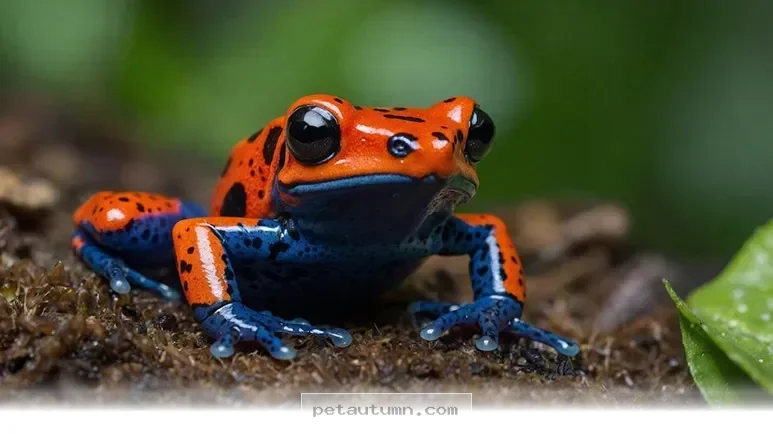
Poison dart frogs are widely recognized for their brilliant, neon-like colors and their reputation as some of the most toxic creatures on the planet. In their natural habitat, these tiny amphibians secrete a potent substance from their skin that serves as a powerful defense against hungry predators.
It is a fascinating survival strategy that keeps them safe in the wild, yet the reality of their toxicity is far more nuanced than many people realize. When these frogs are raised in captivity, they undergo a surprising transformation that renders them completely harmless to humans and other animals.
Key Takeaways
- Poison dart frogs do not produce their own toxins; they acquire them by eating specific toxic insects in the wild.
- Captive-raised frogs lose their toxicity because their diet consists of safe, non-alkaloid food sources like crickets and fruit flies.
- Wild populations are showing signs of reduced toxicity as their natural habitats become disturbed, leading to a loss of the specific prey they need.
- These amphibians serve as a vital area of medical research, particularly in the development of new, non-addictive painkilling compounds.
The Secret Behind the Skin
You might wonder how a small frog manages to carry enough poison to deter even the largest predators in the rainforest. The truth is that these animals are essentially masters of chemistry, but they do not manufacture these chemicals themselves.
Instead, they rely on a specialized diet of ants, beetles, and mites found in their native environments. These tiny insects contain toxic steroidal alkaloids, which the frogs store in their skin glands to create their famous chemical defense system.
Why Captive Frogs Are Harmless
If you have ever seen these beautiful creatures in a zoo or a professional terrarium, you might have felt a bit nervous about getting too close. However, you can breathe a sigh of relief knowing that captive-bred specimens do not carry the same lethal threat as their wild cousins.
Because pet-store or zoo-raised frogs are fed a controlled diet of common feeder insects, they never ingest the toxic alkaloids required to build their natural poison. Without those specific dietary components, the frogs remain completely non-toxic throughout their entire lives.
Comparing Wild and Captive Toxicity
| Feature | Wild Poison Dart Frog | Captive Poison Dart Frog |
|---|---|---|
| Dietary Source | Toxic ants and beetles | Fruit flies, crickets, mealworms |
| Toxicity Level | Extremely High | Harmless |
| Defense Mechanism | Chemical skin secretion | Bright warning coloration |
| Habitat Impact | High dependence on pristine forest | Adapted to artificial environments |
Environmental Shifts and Declining Toxicity
Recent studies suggest that even wild frogs are not as dangerous as they once were due to ongoing environmental changes. As human activity disrupts rainforest ecosystems, the specific populations of toxic insects that these frogs rely on have begun to decline.
When a frog’s environment becomes fragmented or disturbed, it no longer has access to the diverse array of prey it needs to maintain high levels of toxicity. Researchers have observed that frogs living in pristine, untouched forests possess significantly higher concentrations of alkaloids compared to those living near roadsides or in altered landscapes.
Understanding the Frog Lifecycle
- Mating Rituals: Male frogs use complex vocalizations to attract females, often setting the stage for their unique reproductive behavior.
- Egg Deposition: Females lay eggs on leaves, and the males take on the responsibility of guarding them for approximately two weeks.
- Tadpole Transport: Once the eggs hatch, the male carries the tadpoles on his back to small pools of water, such as those found in bromeliad plants.
- Independent Development: The tadpoles grow in these isolated water sources for about three months before they transition into fully formed, land-dwelling frogs.
The Future of Research
While these frogs are famous for their danger, they are also becoming a beacon of hope in the world of medicine. Scientists are actively studying the chemical makeup of these skin secretions to develop potential treatments for human health concerns.
The unique compounds found in the skin of these frogs have already paved the way for breakthroughs in pain management research. By studying how these creatures interact with their environment, we continue to learn more about the delicate balance of the natural world and the hidden potential of various species.
The information on petautumn.com is for general informational purposes only and does not constitute veterinary advice. Pet health needs vary by breed, age, and individual condition. Always consult a licensed veterinarian before making decisions about your pet’s health, diet, or medical treatment. Pet Autumn is not affiliated with any veterinary organization, pet food manufacturer, or breeder.
Learning about the biology of poison dart frogs offers a unique window into how diet and environment shape the traits of animals. It is a powerful reminder of how interconnected every living thing is within its native ecosystem.
Whether you are a fan of exotic species or simply curious about the natural world, the story of the poison dart frog is a perfect example of nature’s complexity. Understanding these creatures helps us appreciate the importance of preserving the wild spaces that sustain such diverse and fascinating life forms.

Cat care writer at petautumn.com. English Literature graduate (S.S) from Universitas Udayana. Covers cat breeds, behavior, nutrition, grooming, and health. Cat mom to Luna and Lina. Based in Austin, Texas.