Written by Kadek Darma
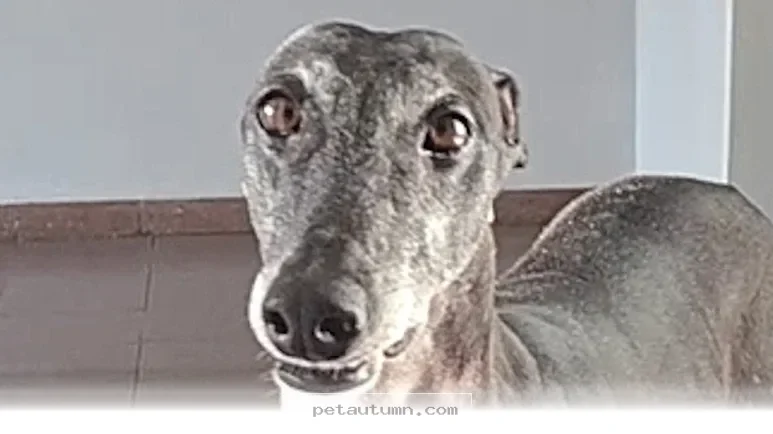
There is something truly profound about watching a dog who has known only hardship finally realize that the world can be a gentle, loving place. When Rosi, a former hunting dog, was no longer considered useful by her previous owners, she was left behind to fend for herself.
Now, she is discovering the simple, beautiful joys of a life filled with comfort, soft beds, and endless affection. Her journey reminds us all that it is never too late for a resilient soul to learn how to trust and love again.
Key Takeaways
- Older dogs rescued from working environments often require patience to adjust to indoor life.
- Building trust takes time and consistent, gentle positive reinforcement.
- Socialization should be paced according to the individual comfort level of the dog.
- Providing a safe, predictable routine helps anxious rescue dogs feel secure.
Understanding the Needs of Senior Rescue Dogs
Transitioning a senior dog from a working environment to a domestic home setting is a beautiful process, but it requires a deep understanding of their background. These dogs often have very different experiences than pets raised in households from puppyhood.
Transitioning requires you to be patient as they navigate new sights, sounds, and expectations. You must prioritize their sense of security above all else during these early weeks.
1. Create a Dedicated Safe Space
Your new companion needs a quiet, low-traffic area where they can retreat whenever the world feels overwhelming. Include a comfortable bed, some familiar blankets, and perhaps an item that carries your scent to help them feel connected to you.
2. Establish a Predictable Routine
Dogs find immense comfort in knowing exactly what to expect from their day. Feed them at the same times, keep walks on a consistent schedule, and try to maintain a calm atmosphere in the house.
3. Focus on Positive Reinforcement
Since many working dogs have lived lives governed by strict commands, they might be confused by a relaxed home environment. Use treats and praise to reward good behavior rather than relying on correction, which can increase anxiety in newly rescued animals.
Comparing Rescue Experiences
| Aspect | Working Dog Background | Traditional Pet Background |
|---|---|---|
| Adjustment Period | May take months | Often faster |
| Training Needs | Basic household manners | Reinforcement of habits |
| Socialization | Gradual exposure required | Usually socialized early |
| Energy Levels | Variable based on breed | Consistent with age |
Table: Comparison of typical adjustment needs for rescue dogs.
Helping Your Dog Overcome Past Trauma
Many dogs who have spent years in isolation or working roles struggle with the concept of "doing nothing." It is common for them to feel restless or even anxious when they are not given a specific task to perform.
Encouraging them to play with soft toys or simply lounging beside you on the sofa can be a huge step forward. You are teaching them that their value is no longer tied to their performance, but simply to their presence in your life.
Essential Supplies for Your New Companion
- Orthopedic Bed: Senior dogs often appreciate extra joint support.
- Interactive Puzzles: These help engage their minds without excessive physical strain.
- High-Quality Harness: A comfortable, secure fit ensures safe walks.
- Calming Aids: Consult your vet about natural options if your dog shows signs of stress.
Building a Lasting Bond
The bond you build with a rescue dog is forged through empathy and consistent kindness. Every time Rosi asks for a cuddle or happily trots into the office to greet friends, she is closing the chapter on her past and opening a new one with you.
Take the time to celebrate the small victories, like the first time they wag their tail or choose to nap at your feet. These moments are the true building blocks of a new, happy life together.
The information on petautumn.com is for general informational purposes only and does not constitute veterinary advice. Pet health needs vary by breed, age, and individual condition. Always consult a licensed veterinarian before making decisions about your pet’s health, diet, or medical treatment. Pet Autumn is not affiliated with any veterinary organization, pet food manufacturer, or breeder.
Watching a dog like Rosi transform is a testament to the power of kindness and patience. By providing a stable environment, you are giving them the greatest gift possible: the chance to just be a dog.
If you are considering bringing a senior dog into your home, prepare for a rewarding journey that will change your life as much as it changes theirs. Reach out to your local shelter or ASPCA to learn more about how you can support senior dogs waiting for their forever homes.

Dog care writer at petautumn.com. Visual Communication Design graduate (S.Ds) from Universitas Udayana. Covers dog breeds, behavior, training, and gear reviews. Dog dad to Meepo. Based in Austin, Texas.