Written by Kadek Darma
Juicy, refreshing, and packed with potent antioxidants, grapefruit is a unique member of the citrus family that offers surprising health perks for your furry friend. While many pet owners assume all citrus is off-limits, this vibrant fruit can be a safe and nutritious snack when prepared correctly.
If you are curious about adding a little extra zest to your pet’s diet, you have come to the right place. Let’s look at how to serve this fruit safely and why it might actually be a beneficial addition to your pet’s bowl.
Key Takeaways
- Grapefruit flesh is safe for pets to eat, provided you remove the peel and seeds.
- Only offer fruit as a treat, keeping it under 10% of your pet’s total daily caloric intake.
- Naringin and naringenin are powerful antioxidants in grapefruit that support immune and cellular health.
- Always start with a tiny piece to monitor your pet for any signs of digestive upset.
- Avoid giving your pet the rind or pith, as these contain essential oils that can irritate their stomach.
Understanding the Safety of Grapefruit
There is a lot of conflicting information floating around the internet regarding what fruits are safe for our companions. You might have read that grapefruit is toxic, but there is no scientific evidence to support this claim for the fruit’s flesh.
The confusion often stems from lumping all potential digestive sensitivities into the category of toxicity. While eating too much of any new food can cause an upset stomach, the flesh of a grapefruit is perfectly safe for both dogs and cats.
Tips for Serving Grapefruit Safely
- Always peel the fruit completely, removing every trace of the thick, bitter rind.
- Carefully pick out all seeds to prevent a potential choking hazard.
- Slice the fruit into small, manageable pieces that your pet can easily chew.
- Offer only a small amount initially to ensure it agrees with your pet’s digestion.
- If you notice any loose stools or discomfort, stop feeding the fruit immediately.
Transitioning to new snacks should always be done slowly to keep your pet’s tummy happy and comfortable.
Nutritional Benefits for Your Pet
Grapefruit is more than just a refreshing treat; it is a nutritional powerhouse for your pet. It contains bioactive polyphenols like naringin and naringenin, which are widely recognized for their antioxidant properties.
These compounds help support your pet’s body by protecting cells from oxidative stress. You can think of these as little helpers that keep your pet’s internal systems running smoothly.
Health Comparison of Common Citrus Fruits
| Fruit | Pet Suitability | Key Benefit |
|---|---|---|
| Grapefruit (Flesh) | Safe in moderation | High in antioxidants |
| Orange | Safe in moderation | Vitamin C boost |
| Lemon/Lime | Caution advised | High acidity/oil risk |
Why Color Matters for Nutrition
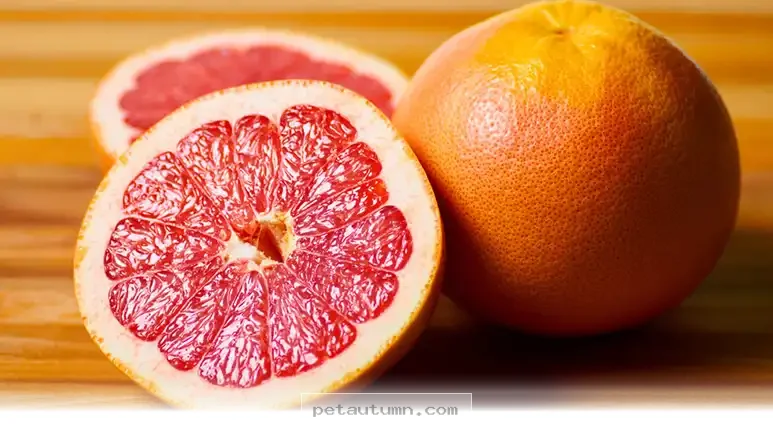
If you want to maximize the health benefits, look for red or pink varieties of grapefruit. These colors indicate the presence of lycopene, a powerful carotenoid that acts as an antioxidant.
Lycopene is excellent for supporting cardiovascular and immune health. When you pick out a fruit at the store, look for one with a deep color and a slightly flat side, which usually indicates it is ripe and sweet.
Shopping and Prep Supply List
- Sharp paring knife for peeling and slicing.
- A clean cutting board to keep things sanitary.
- Storage containers to keep the remaining fruit fresh in the fridge.
- A curious pet ready to try a new, healthy snack.
The information on petautumn.com is for general informational purposes only and does not constitute veterinary advice. Pet health needs vary by breed, age, and individual condition. Always consult a licensed veterinarian before making decisions about your pet’s health, diet, or medical treatment. Pet Autumn is not affiliated with any veterinary organization, pet food manufacturer, or breeder.
While most cats and dogs naturally avoid citrus due to the strong scent, many pets enjoy the sweet, tart flavor once it is offered. Just remember that individual preferences vary, and some pets may simply turn their noses up at it.
If your pet does enjoy a slice, you can feel good knowing you are providing a snack rich in antioxidants. Keep your portions small, stick to the flesh, and enjoy sharing a healthy moment with your best friend. For more information on pet nutrition standards, you can visit the AVMA website.

Cat care writer at petautumn.com. English Literature graduate (S.S) from Universitas Udayana. Covers cat breeds, behavior, nutrition, grooming, and health. Cat mom to Luna and Lina. Based in Austin, Texas.