Written by Ayu Pratiwi
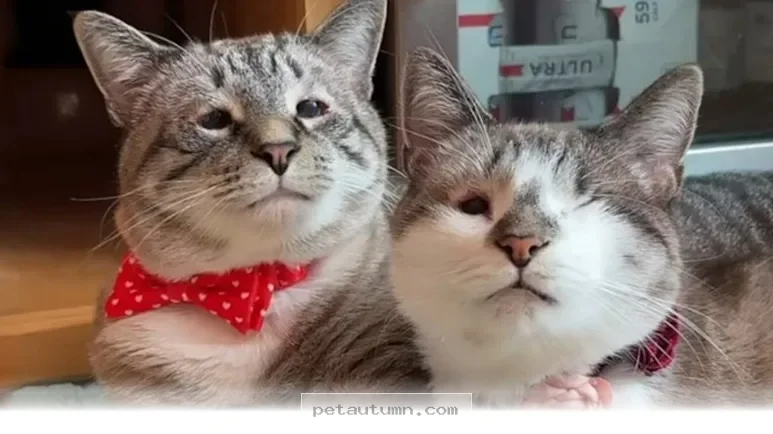
Have you ever looked into your cat’s eyes and felt like you were staring into a human soul? Most of us are used to the typical slit-pupil gaze of our feline companions, but some cats possess a unique, expressive look that seems almost uncanny.
Charlie is one of those special cats who captured hearts online for his remarkably human-like appearance. While his viral fame started with his gaze, his story is actually a beautiful testament to how much love and dedicated care can transform a life.
Key Takeaways
- Rare congenital eye conditions can change a cat’s physical appearance significantly.
- Consistent medical care is essential for pets living with chronic health challenges.
- Affectionate behavior often shines through even when a cat faces physical limitations.
- Understanding your cat’s specific needs helps them live a long, happy life.
- Always work closely with a veterinarian to monitor your pet’s eye health.
Understanding Feline Eye Health
Every cat is unique, and sometimes genetics or health issues create features that set them apart from the crowd. When a cat like Charlie faces a condition that affects their eyes, it often requires a proactive approach from their human parents to ensure comfort.
Daily observation is your best tool for spotting changes in your cat’s vision or comfort. If you notice persistent tearing, cloudiness, or sensitivity to light, it is time to schedule a checkup with your local clinic.
1. Identifying Common Eye Symptoms
If you are worried about your cat’s ocular health, keep an eye out for these indicators that warrant a professional evaluation:
- Excessive discharge or crusting around the corners of the eyes.
- Squinting or holding one eye closed for extended periods.
- Redness or inflammation of the delicate tissues around the eyeball.
- A visible third eyelid that stays permanently raised or clouded.
- Behavioral shifts like bumping into furniture or avoiding bright sunlight.
Comparing Feline Eye Care Needs
Managing a cat with specific ocular needs is not as daunting as it sounds, but it does require consistency. Below is a comparison to help you understand the difference between routine care and specialized medical attention.
| Care Level | Action Required | Outcome |
|---|---|---|
| Standard Maintenance | Weekly grooming and wiping. | Healthy, clear vision. |
| Early Intervention | Vet visit for minor irritation. | Prevents worsening issues. |
| Specialized Support | Daily medication and surgery. | Pain management and safety. |
Proactive communication with your vet ensures that your cat’s unique eyes remain as healthy as possible throughout their life.
Steps for Providing Specialized Care
If your cat is navigating a life with a chronic condition, your home environment plays a massive role in their overall well-being. By simplifying your routine, you can make life much easier for your feline friend.
1. Maintain a Stable Environment
Cats rely heavily on their sense of sight to navigate their territory comfortably. If your pet has limited vision, try to avoid rearranging your furniture, as this can cause unnecessary stress and confusion.
2. Create a Gentle Grooming Routine
Gently cleaning the area around the eyes prevents buildup that can lead to infections. Use a soft, damp cloth and lukewarm water, moving away from the eye to avoid irritation.
3. Stick to Your Vet Schedule
Consistency is key when managing medications or monitoring potential flare-ups. Keep a log of your cat’s behavior to share with your veterinary team, as this data helps Cornell Vet specialists track progress over time.
4. Provide Emotional Security
A cat with physical challenges often feels more vulnerable than others in the household. Spend extra time playing, cuddling, and providing quiet spaces where they can retreat when they feel overwhelmed.
The Importance of Professional Guidance
While it is tempting to try home remedies for eye issues, professional diagnosis is the only safe path forward. Because feline eyes are extremely sensitive, using the wrong product can cause permanent damage to their delicate structures.
The information on petautumn.com is for general informational purposes only and does not constitute veterinary advice. Pet health needs vary by breed, age, and individual condition. Always consult a licensed veterinarian before making decisions about your pet’s health, diet, or medical treatment. Pet Autumn is not affiliated with any veterinary organization, pet food manufacturer, or breeder.
Building a long-term relationship with a trusted veterinarian is the best gift you can give your pet. They can offer guidance tailored to your cat’s specific medical history and unique physical traits.
Ultimately, cats like Charlie remind us that beauty is found in how we care for one another. Whether your cat has standard eyes or unique features, they deserve a life full of love, patience, and attentive care.

Cat care writer at petautumn.com. English Literature graduate (S.S) from Universitas Udayana. Covers cat breeds, behavior, nutrition, grooming, and health. Cat mom to Luna and Lina. Based in Austin, Texas.