Written by Kadek Darma
As the warmer months approach, many of us begin daydreaming about sandy beaches, mountain trails, or visiting family across the country. If you are a devoted dog owner, the most difficult part of planning your getaway is often deciding whether your canine companion should come along for the ride or stay behind.
While it is tempting to include your dog in every adventure, it is helpful to pause and consider how these plans affect your pet’s unique perspective. Dogs thrive on consistency and comfort, and the disruption of a major trip can be far more taxing for them than it is for you.
Key Takeaways
- Traveling can be a significant source of stress for dogs due to the loss of their daily routine and familiar environment.
- Air travel is particularly difficult for dogs; whenever possible, consider keeping them at home with a trusted pet sitter.
- If you must fly, keeping your dog in the cabin is significantly safer than placing them in the cargo hold.
- Always consult your veterinarian to ensure your dog is physically and temperamentally fit for the rigors of travel.
- Extreme temperatures during flights, especially in cargo areas, pose a serious health risk to pets.
The Reality of Canine Travel Stress
You likely handle travel disruptions with ease because you understand the destination and the timeline. For your dog, the world is suddenly filled with unfamiliar sights, loud noises, and strange smells that they cannot process or escape.
Even if your dog enjoys car rides, long-distance travel introduces variables that can trigger anxiety or discomfort. Their physical well-being depends on a predictable schedule, and when you remove that structure, you might notice changes in their behavior or appetite.
1. Prioritize Your Dog’s Comfort
Before booking your tickets, be honest about whether your dog actually enjoys the chaos of traveling. If your pet shows signs of extreme nervousness, it is often much kinder to arrange for a professional pet sitter or a high-quality boarding facility.
Common Signs of Travel Anxiety
- Excessive panting or drooling
- Pacing or inability to settle in a carrier
- Refusal to eat or drink
- Whining, barking, or unusual vocalization
- Hiding or attempting to escape the carrier
2. Evaluate Air Travel Risks
If you must travel by air, understand that the experience is vastly different for a dog than it is for a human. The American Veterinary Medical Association emphasizes that pets often face physical and emotional strain when flying, particularly if they are required to travel in the cargo hold.
Cargo compartments are not climate-controlled in the same way as the passenger cabin, leading to dangerous temperature fluctuations. Additionally, the loud noises and vibrations of the plane can be deeply frightening for an animal that does not understand what is happening.
Travel Method Comparison
| Method | Comfort Level | Stress Risk | Safety Rating |
|---|---|---|---|
| Car (With Breaks) | High | Low | Excellent |
| Cabin (Under Seat) | Moderate | Medium | Good |
| Cargo Hold | Low | Very High | Warning |
3. Essential Steps for Safe Flying
If you have determined that flying is necessary, you must take every precaution to ensure your dog stays safe. Start by speaking with your veterinarian to assess whether your pet is healthy enough to endure the trip.
- Check Physical Readiness: Ensure your dog is physically fit; young puppies, senior dogs, and those with underlying health issues should generally avoid air travel.
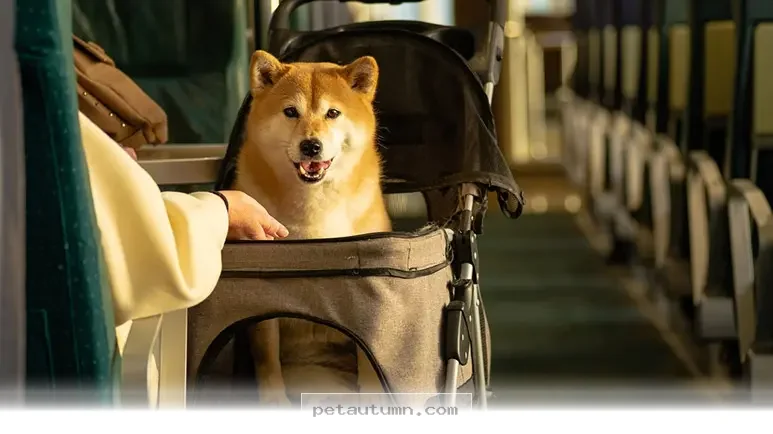
- Choose the Cabin: Only book flights that allow your pet to stay in the cabin with you, as this ensures a stable temperature and your comforting presence.
- Book Direct: Always choose non-stop flights to minimize the time your dog spends in transit and reduce the risk of logistical errors at connection points.
- Prepare the Carrier: Use a familiar, comfortable carrier that your dog has spent time in at home so it feels like a safe, private den.
- Schedule Feeding: Avoid feeding your dog a large meal right before the flight to prevent nausea and ensure they are comfortable in their crate.
- Verify Vaccinations: Keep all health records and certificates of veterinary inspection handy, as these are often required for transit between states or countries.
- Monitor Weather: Avoid booking flights during the peak heat of summer or the deep freeze of winter to protect your dog from extreme temperature changes.
4. Packing a Travel Kit for Your Dog
If you decide that travel is the right choice, organization is your best friend. A well-stocked bag ensures that your dog has everything they need to feel secure in a new environment.
- A supply of their regular, familiar food
- Fresh water and a portable bowl
- Comfortable bedding or a favorite blanket
- A familiar toy to provide a sense of home
- Contact information for your regular vet and a local vet at your destination
- A sturdy leash and a collar with updated identification tags
The information on petautumn.com is for general informational purposes only and does not constitute veterinary advice. Pet health needs vary by breed, age, and individual condition. Always consult a licensed veterinarian before making decisions about your pet’s health, diet, or medical treatment. Pet Autumn is not affiliated with any veterinary organization, pet food manufacturer, or breeder.
Ultimately, the best vacation is one where your pet feels safe and loved, whether that means they are curled up by your feet in a hotel room or resting peacefully at home with a familiar friend. Take the time to assess your dog’s personality and needs before making any final decisions.
Your dog may not be able to tell you their preferences in words, but their body language and daily demeanor are clear indicators of their comfort levels. Prioritizing their peace of mind will ensure that your memories of the trip remain positive for both of you.

Cat care writer at petautumn.com. English Literature graduate (S.S) from Universitas Udayana. Covers cat breeds, behavior, nutrition, grooming, and health. Cat mom to Luna and Lina. Based in Austin, Texas.