Written by Kadek Darma
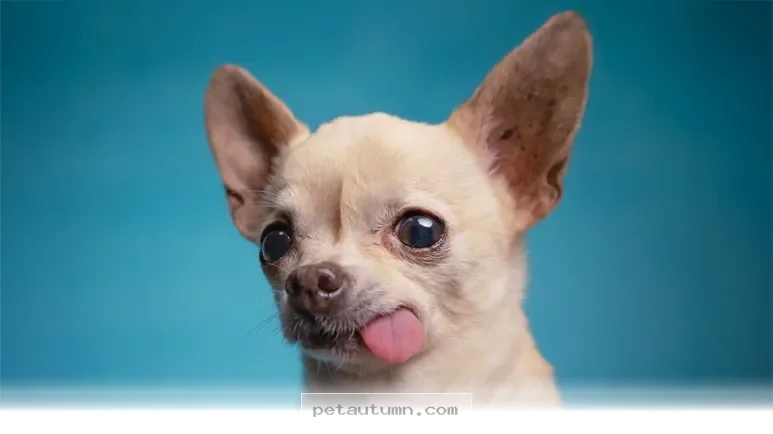
Many dog owners have encountered the sight of their pet with its tongue hanging out. Often, this endearing trait is harmless and simply part of a dog’s normal personality.
However, when a dog consistently has its tongue hanging out while resting or sleeping, it could be a condition called Hanging Tongue Syndrome. Being informed allows you to make the best decisions for your dog’s health and comfort.
Key Takeaways
- Hanging Tongue Syndrome occurs when a dog cannot retract its tongue, often due to dental disease, genetics, or trauma.
- Brachycephalic breeds, such as Pugs and Bulldogs, are naturally predisposed to this condition due to their unique jaw structure.
- Warning signs like a dry, cracked, or discolored tongue require a visit to your veterinarian for a professional evaluation.
- Most dogs manage well with this condition, provided you maintain good oral hygiene and protect them from extreme weather.
Understanding Hanging Tongue Syndrome
Hanging Tongue Syndrome is not the same as standard panting. While panting is a cooling mechanism used after exercise or in heat, this syndrome involves a persistent, passive protrusion of the tongue even during deep sleep.
The tongue might hang straight forward or loll out the side of the mouth. While it often looks like a harmless quirk, it is frequently a symptom of an underlying anatomical or health issue.
Common Causes of Protruding Tongues
There are several reasons why your dog’s tongue might not stay inside their mouth. Recognizing these factors helps you better manage your pet’s daily care.
- Dental Disease and Tooth Loss
Your dog’s lower canine teeth act as a physical anchor that helps keep the tongue inside the mouth. When these teeth are lost to decay or extraction, the tongue loses its structural support and begins to slip out. - Congenital Anatomy
Flat-faced breeds, known as brachycephalic dogs, often have smaller mouths and shorter jawlines. Their tongues are frequently too large to fit comfortably inside, making protrusion a common trait. - Trauma or Nerve Damage
Physical injuries to the jaw or tongue can lead to permanent changes in how the mouth closes. Additionally, nerve damage can reduce the muscle control necessary for the dog to consciously retract their tongue.
Managing Your Dog’s Comfort
If your veterinarian has confirmed that your dog has this condition, there are ways you can help. Most dogs live long, happy lives despite the syndrome.
| Observation | Action Required |
|---|---|
| Tongue is moist and pink | Monitor during routine grooming sessions. |
| Tongue looks dry or tacky | Ensure constant access to fresh water. |
| Discoloration or visible cracking | Schedule a veterinary appointment immediately. |
Simple Care Tips for Owners
- Prioritize Dental Hygiene: Keep your dog’s teeth clean by using vet-approved dental chews or brushing their teeth regularly.
- Monitor Hydration: Always carry a portable water bottle when traveling to keep the tongue moist.
- Watch for Weather Extremes: In very cold or windy weather, the tongue is prone to drying out or even frostbite.
- Soft Food Options: If your dog has difficulty eating due to jaw issues, consult your vet about transitioning to softer food textures.
- Routine Checkups: Regular visits to the ASPCA or your local clinic help ensure that minor issues do not turn into infections.
Maintaining a watchful eye on your dog’s mouth health is a simple yet vital part of your routine. If you notice sudden changes in your pet’s behavior or the appearance of their tongue, do not hesitate to seek professional advice.
The information on petautumn.com is for general informational purposes only and does not constitute veterinary advice. Pet health needs vary by breed, age, and individual condition. Always consult a licensed veterinarian before making decisions about your pet’s health, diet, or medical treatment. Pet Autumn is not affiliated with any veterinary organization, pet food manufacturer, or breeder.
Your dog relies on you to notice when something is slightly off with their health. By staying observant and proactive, you can ensure they remain comfortable and happy every single day.
Small changes in your daily routine can make a massive difference in your pet’s comfort levels. Keep providing them with the love and attention they deserve.

Dog care writer at petautumn.com. Visual Communication Design graduate (S.Ds) from Universitas Udayana. Covers dog breeds, behavior, training, and gear reviews. Dog dad to Meepo. Based in Austin, Texas.