Written by Kadek Darma
When you lean down to chat with your dog, you likely have a sneaking suspicion that he hears every word you say. Dogs are incredibly perceptive companions, and after thousands of years of living side by side, they have become experts at reading our lives.
The average dog can learn around 165 words, though dedicated training can certainly expand that vocabulary. While we have always known they respond to the pitch and rhythm of our voices, recent research confirms that they are actually processing the meaning behind our speech as well.
Key Takeaways
- Dogs process speech in two distinct parts: emotional tone and linguistic meaning.
- The brain’s left hemisphere handles word meanings, while the right hemisphere manages emotional cues.
- Your dog pays close attention to your body language, gestures, and even your eye contact.
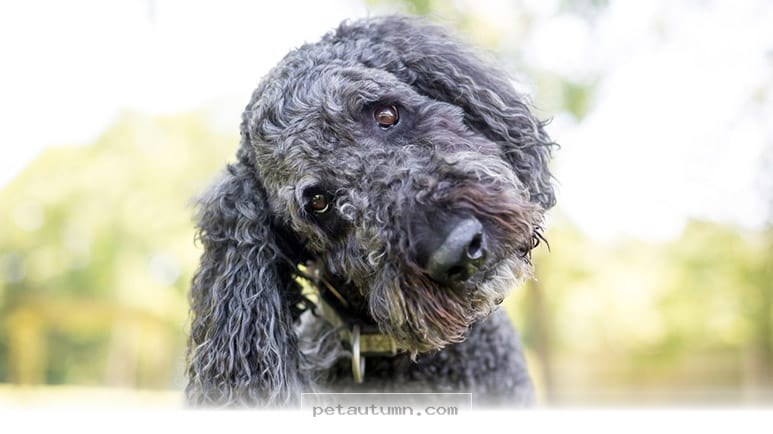
- Tail movement and head tilting serve as physical markers for how your dog interprets your communication.
How Your Dog Deciphers Human Speech
It turns out that dogs process human language in a way that is surprisingly similar to the human brain. When we speak, our brains split the task by using the left hemisphere for verbal meaning and the right hemisphere for emotional inflection.
Researchers have discovered that dogs use these same neural pathways to decode what we are saying to them. By observing how dogs react to commands played through speakers, scientists noticed they reliably turn their heads to the right when processing meaningful words and to the left when focusing on emotional tones.
1. Understanding the Neural Bias
The study suggests that our canine friends are not just hearing noise. They are actively sorting through your sentences to determine what is a command and what is simply a tone of voice.
2. Distinguishing Meaningful Sounds
Dogs show a clear preference for processing meaningful language in the left hemisphere of the brain. This suggests that their cognitive ability to understand human speech is far more developed than we previously realized.
| Communication Type | Primary Brain Hemisphere | Function |
|---|---|---|
| Verbal Content | Left | Understanding specific commands |
| Emotional Cues | Right | Reading tone and mood |
This division of labor allows your dog to stay both safe and responsive during your daily interactions.
Reading Your Non-Verbal Signals
Your words are only one piece of the puzzle, as your dog is constantly scanning your body language. From your posture to the way you look at them, these non-verbal cues help them fill in the blanks.
Studies have shown that dogs track our eye contact with the same focus as a six-month-old infant. They are looking for the intention behind your actions to decide how they should react next.
Why Dogs Are So Intuitive
- Social Co-evolution: Thousands of years of living with humans have hardwired dogs to look for our guidance.
- Problem Solving: Dogs use our gestures to solve puzzles, such as finding a hidden treat.
- Survival Instinct: Paying attention to human behavior historically helped dogs thrive as social scavengers.
- Reinforcement: Often, listening closely to human cues leads to rewards like affection or food.
If you want to communicate better, try matching your hand gestures to your spoken commands. This creates a clear picture for your dog to follow, making training sessions much smoother and more enjoyable for both of you.
Communicating Back Through Tail Language
While we use words to express ourselves, dogs rely heavily on their tails to tell us how they are feeling. Science indicates that the direction of a tail wag is not just random movement.
A wag that leans to the right typically indicates positive feelings, such as seeing a favorite person. Conversely, a wag that pulls toward the left can signal feelings of stress or a perceived threat.
The information on petautumn.com is for general informational purposes only and does not constitute veterinary advice. Pet health needs vary by breed, age, and individual condition. Always consult a licensed veterinarian before making decisions about your pet’s health, diet, or medical treatment. Pet Autumn is not affiliated with any veterinary organization, pet food manufacturer, or breeder.
Understanding these subtle shifts in behavior can help you become a more empathetic pet parent. When you take the time to observe your dog’s ears, tail, and body posture, you unlock a deeper level of communication that goes far beyond simple vocabulary.
Keep talking to your furry friend, as they truly are listening to more than just the sound of your voice. By acknowledging their intelligence and their need for connection, you strengthen the bond that makes life with a dog so special.

Cat care writer at petautumn.com. English Literature graduate (S.S) from Universitas Udayana. Covers cat breeds, behavior, nutrition, grooming, and health. Cat mom to Luna and Lina. Based in Austin, Texas.