Written by Kadek Darma
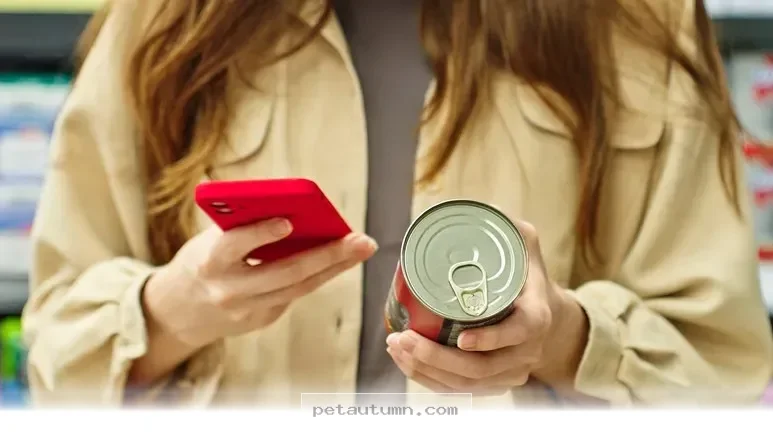
You carefully read every ingredient label to ensure your dog eats only the highest quality protein and wholesome vegetables. You avoid mystery by-products and artificial fillers because you want the best for your companion. Yet, your dog’s food bowl may still be delivering a daily dose of an industrial chemical that never had to appear on a package label.
This hidden guest is Bisphenol A, or BPA, an industrial compound frequently used to line metal cans and harden plastic food storage. Because it is considered a manufacturing component rather than a food ingredient, it remains invisible to the consumer while silently entering your dog’s system every single day.
Key Takeaways
- BPA acts as an endocrine disruptor that mimics estrogen and interferes with hormonal signaling in dogs.
- Research shows that BPA levels in dogs can triple after just two weeks of eating standard canned food.
- Exposure is not limited to cans; it hides in kibble bag linings, plastic water bowls, and storage containers.
- Chronic exposure is linked to metabolic shifts, gut microbiome imbalances, and potential thyroid issues.
- Switching to stainless steel or glass and opting for fresh, minimally processed food can significantly reduce your dog’s intake.
Understanding the Hidden Threat of BPA
Bisphenol A has been a standard chemical in manufacturing since the 1950s, primarily used to create durable plastics and provide a protective barrier inside metal food cans. It is found everywhere, from your own water bottles to cash register receipts, but it is particularly problematic in the pet industry. The very chemistry that makes it useful for shelf stability also allows it to leach directly into the food or water your pet consumes.
The most concerning aspect of this chemical is its status as an endocrine disruptor. Because it mimics estrogen, it can confuse the body’s natural hormone signals, potentially leading to long-term health challenges. While regulatory bodies often deem it safe for limited contact, the reality of daily, cumulative exposure for a small dog is a different story.
How BPA Enters Your Dog’s System
The primary route for this chemical is through the diet, as most commercial pet foods are processed and stored in materials that utilize these compounds. A 2017 industry analysis revealed that nearly every dog food can tested contained either BPA or a related plasticizer like PVC.
- Canned Food Linings: Metal cans often use BPA-based resins to prevent corrosion, which migrate into the wet food.
- Dry Food Packaging: Kibble bags are often lined with plastics that contain chemicals, which can leach into the kibble during storage.
- Plastic Bowls and Toys: Hard plastic water bowls and chew toys shed particles over time, especially when scratched or heated in the dishwasher.
- Storage Containers: Transferring kibble into plastic bins does not solve the problem if those bins are made of non-food-grade plastic.
- Environmental Exposure: Like humans, dogs absorb these chemicals through their skin and by inhaling house dust containing plastic particulates.
You can compare common feeding materials to see how they impact your dog’s potential exposure levels in the table below.
| Feeding Material | Exposure Risk | Recommendation |
|---|---|---|
| Stainless Steel | Minimal | Best Choice |
| Ceramic (Lead-Free) | Low | Excellent |
| Hard Plastic Bowls | Moderate | Use with Caution |
| Cheap Canned Linings | High | Avoid if possible |
Research Findings and Health Impact
Scientific studies, including research from the University of Missouri, highlight how quickly these chemicals impact a canine’s body. In one study, dogs transitioned to canned food showed a tripling of BPA concentrations in their blood within just fourteen days.
The health implications of these elevated levels are significant and varied. Researchers have observed that these chemicals correlate with:
- Changes in plasma bicarbonate levels indicating metabolic stress.
- Disruptions to the gut microbiome, which hinders the body’s ability to process toxins.
- Potential impacts on thyroid health and overall endocrine function.
- Altered serum chemistry that suggests the body is working harder to maintain balance.
Reducing your dog’s chemical burden starts with simple, manageable changes in your home environment.
- Prioritize Fresh Ingredients: Whenever possible, choose fresh, gently cooked, or raw diets that do not require long-term storage in metal cans.
- Upgrade Your Bowls: Replace all plastic food and water bowls with high-quality stainless steel or lead-free ceramic versions.
- Glass Storage: If you feed kibble, transfer it immediately into glass containers rather than leaving it in the original plastic-lined bag.
- Filter Your Water: Use a high-quality water filter to ensure your dog’s hydration source is as clean as your own.
- Wash Regularly: Clean bowls with hot, soapy water, but avoid abrasive scrubbers that create micro-scratches where chemicals can hide.
The information on petautumn.com is for general informational purposes only and does not constitute veterinary advice. Pet health needs vary by breed, age, and individual condition. Always consult a licensed veterinarian before making decisions about your pet’s health, diet, or medical treatment. Pet Autumn is not affiliated with any veterinary organization, pet food manufacturer, or breeder.
While the presence of these chemicals in our environment is widespread, you have the power to curate your dog’s surroundings to limit exposure. Small, consistent shifts in how you store and serve your dog’s meals can make a substantial difference in their long-term health and vitality.
Take a moment to audit your current feeding supplies and storage methods this week. By choosing inert materials like glass and steel, you are protecting your best friend from unnecessary chemical interference and ensuring their food remains as pure as the ingredient label promises.

Dog care writer at petautumn.com. Visual Communication Design graduate (S.Ds) from Universitas Udayana. Covers dog breeds, behavior, training, and gear reviews. Dog dad to Meepo. Based in Austin, Texas.