Written by Kadek Darma
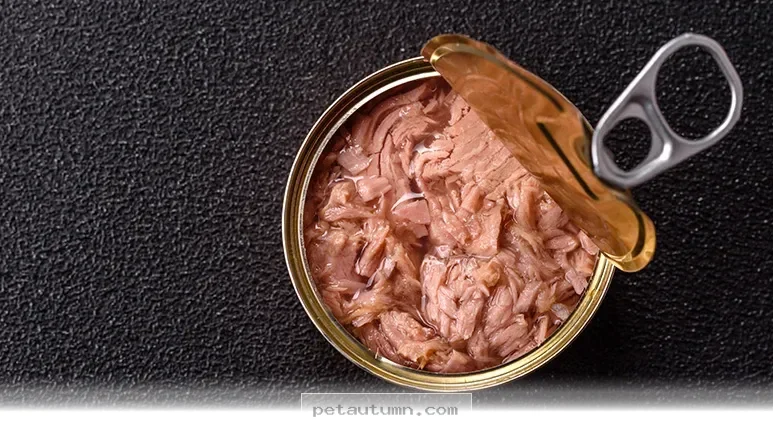
Many pet owners reach for tuna when they want to offer their furry friends a nutritious, high-protein snack. While it seems like a healthy choice at first glance, feeding this specific fish to your pets can lead to long-term health complications that are often difficult to spot early on.
Tuna is unfortunately known to accumulate high levels of environmental toxins that can settle in your pet’s system. Choosing safer, lower-mercury alternatives is a simple way to protect your companion while still providing the essential omega-3 fatty acids they need to thrive.
Key Takeaways
- Tuna frequently contains dangerous levels of mercury, pesticides, and polychlorinated biphenyls (PCBs).
- Regular consumption of mercury-heavy seafood can lead to chronic accumulation and potential organ damage in pets.
- Symptoms of mercury toxicity often appear gradually and can affect the brain, kidneys, and nervous system.
- Smaller, short-lived fish like wild-caught sardines are significantly safer and more nutrient-dense choices.
- Healthy treats should always remain under 10% of your pet’s total daily caloric intake to maintain nutritional balance.
Why Tuna Is Often A Risky Choice
Fish is widely recognized as a fantastic source of animal-based omega-3 fats, which support your pet’s skin, coat, and joints. However, not all fish are created equal when it comes to the safety of our pets.
Tuna is a large predator fish that sits high on the food chain, meaning it consumes the toxins present in the smaller fish it eats. Over time, these pollutants, such as mercury and flame retardants, build up in the tuna’s tissues through a process known as bioaccumulation.
Understanding Mercury Risks
When you feed your pet commercial canned foods that rely heavily on tuna, you might be inadvertently exposing them to cumulative heavy metal poisoning. Mercury is particularly concerning because it is a potent neurotoxin that can cause irreversible damage to a pet’s delicate internal systems.
Scientific research, including studies conducted by the U.S. Geological Survey, has consistently identified elevated mercury levels in various tuna species. Because your pet is much smaller than a human, even modest amounts of mercury in their daily diet can quickly exceed safe thresholds.
1. Identifying Potential Mercury Toxicity Symptoms
While acute poisoning is rare, chronic exposure can cause subtle changes in your pet’s health. If you notice any of the following, please observe your pet closely:
- Unexplained hair loss or thinning coat
- Noticeable loss of coordination or a wobbly gait
- Tremors or involuntary muscle twitching
- Increased anxiety or sudden behavioral shifts
- Frequent vomiting or signs of abdominal discomfort
- Changes in urination habits or reduced kidney function
Safer Seafood Alternatives
The good news is that you do not have to stop feeding your pet fish entirely to keep them healthy. By selecting smaller fish with shorter lifespans, you avoid the heavy metal accumulation seen in large predatory fish like tuna.
Wild-caught Alaskan salmon is an excellent, nutrient-dense alternative that provides high levels of omega-3s without the same level of toxin risk. Sardines are another top-tier choice because they are low on the food chain and packed with essential vitamins like B12 and D.
Comparison of Popular Fish Options
| Fish Type | Mercury Risk | Nutrient Profile |
|---|---|---|
| Tuna | High | Moderate |
| Swordfish | High | Low |
| Sardines | Very Low | Excellent |
| Alaskan Salmon | Low | Excellent |
How to Prepare Safe Fish Treats
If you want to treat your pet to the benefits of sardines, preparation is simple and effective. Always ensure the sardines are packed in water rather than oil or brine to avoid unnecessary additives or sodium.
1. Simple Dehydrated Sardine Treats
- Drain the water thoroughly from a can of sardines.
- Arrange the fish on a parchment-lined dehydrator tray.
- Dehydrate at 155 degrees Fahrenheit for approximately two hours.
- Store these treats in an airtight container in the refrigerator.
Always remember that these homemade snacks are meant to be an occasional addition to a balanced diet. You can learn more about proper nutritional guidelines by visiting the American Veterinary Medical Association.
The information on petautumn.com is for general informational purposes only and does not constitute veterinary advice. Pet health needs vary by breed, age, and individual condition. Always consult a licensed veterinarian before making decisions about your pet’s health, diet, or medical treatment. Pet Autumn is not affiliated with any veterinary organization, pet food manufacturer, or breeder.
Choosing the right ingredients for your pet is one of the most significant ways you can support their long-term vitality. By swapping out high-mercury tuna for safer, cleaner options like sardines or salmon, you are making a proactive choice for their well-being.
Your pet relies on you to make informed decisions about what goes into their bowl every day. Taking the time to research your pet’s food sources ensures they stay happy, healthy, and energized for years to come.

Cat care writer at petautumn.com. English Literature graduate (S.S) from Universitas Udayana. Covers cat breeds, behavior, nutrition, grooming, and health. Cat mom to Luna and Lina. Based in Austin, Texas.