Written by Ayu Pratiwi
Walking into an animal shelter can be an overwhelming experience for a cat. These curious, sensitive creatures often arrive frightened and confused, which can lead to behaviors that make them seem unadoptable to potential families.
However, a breakthrough study suggests that a simple, consistent practice known as "gentling" can transform even the most aggressive cats into loving companions. By focusing on emotional well-being, we can help these shelter residents find their forever homes much faster.
Key Takeaways
- Gentling involves brief, frequent sessions of positive human interaction like petting, brushing, and play.
- High stress levels in shelters significantly weaken a cat’s immune system, making them susceptible to illness.
- Content cats show higher levels of S-IgA, an essential antibody that helps fight off respiratory infections.
- Even cats exhibiting severe aggression can often be rehabilitated through patient, gentle behavioral intervention.
The Science of Gentling Shelter Cats
Researchers at the University of Queensland conducted a fascinating study to see how human interaction influences feline health. They focused on "gentling," which is a structured way to interact with shelter cats to lower their stress levels and increase their overall contentment.
The study divided cats into two groups to observe the physical outcomes of these interactions. Group one received four 10-minute sessions of positive attention daily, while group two received no direct social engagement.
1. How Gentling Improves Feline Health
The results were truly remarkable for the cats receiving consistent human attention. By the end of the 10-day period, the gentled cats showed significantly fewer signs of stress-related illness compared to the control group.
| Intervention Type | Outcome for Health | Stress Levels |
|---|---|---|
| Gentling (Petting/Play) | Lower risk of infection | Significant reduction |
| Minimal Interaction | Higher risk of respiratory illness | Elevated and persistent |
Stress suppresses the immune system, which often leads to upper respiratory infections in shelter environments. Since these infections are a primary reason for shelter euthanasia, keeping a cat’s stress low is literally a life-saving measure.
2. Understanding the Antibody Connection
The research team specifically looked at Secretory Immunoglobulin A (S-IgA), which acts as a primary defense for the immune system. This substance is highly reactive to the emotional state of the animal.
When a cat feels content and secure, their body produces more of this infection-fighting antibody. In contrast, anxiety and frustration effectively block the production of S-IgA, leaving the cat vulnerable to contagious shelter diseases.
3. Turning Aggression into Affection
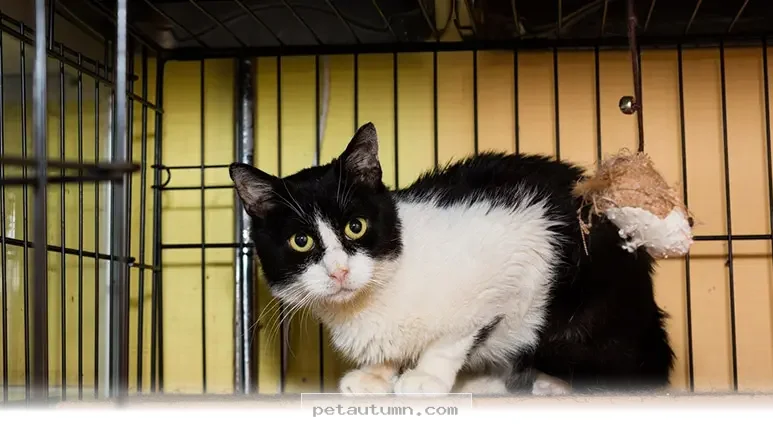
One of the most inspiring stories from the research involved a cat named Jack. He arrived at the shelter showing extreme aggression, hissing and attacking anyone who approached his cage.
Instead of labeling him unadoptable, the team used a modified gentling approach with a target stick and a toy. Within days, Jack began to relax his posture and eventually allowed human handling.
- Initial Signs of Stress:
- Hissing and growling at staff.
- Swiping or biting at cage doors.
- Refusal to eat or engage with toys.
- Hiding in the back of the enclosure.
By focusing on gradual, non-threatening engagement, Jack moved from a high-risk category to a highly adoptable status. His journey proves that many shelter behaviors are actually fear-based reactions rather than personality traits.
4. Simple Steps for Providing Gentling
If you are a shelter volunteer or a foster parent, you can use these principles to help cats adjust. Always move at the cat’s pace to ensure they feel safe and in control of their environment.
- Start with distance: Spend time sitting near the cage reading or talking softly without making direct eye contact.
- Use tools for safety: Use a wand toy or a target stick to initiate play from a distance that makes the cat feel secure.
- Encourage positive associations: Offer high-value treats during these sessions to help the cat associate your presence with comfort and rewards.
- Monitor body language: If the cat shows signs of overstimulation, such as tail twitching or flattened ears, give them space to calm down.
The information on petautumn.com is for general informational purposes only and does not constitute veterinary advice. Pet health needs vary by breed, age, and individual condition. Always consult a licensed veterinarian before making decisions about your pet’s health, diet, or medical treatment. Pet Autumn is not affiliated with any veterinary organization, pet food manufacturer, or breeder.
Providing consistent, calm, and positive social interaction can change the entire trajectory of a shelter cat’s life. When we invest time in their emotional well-being, we help them heal from the inside out.
Seeing a once-frightened cat transform into a confident, affectionate companion is one of the most rewarding experiences imaginable. By advocating for these simple enrichment practices, you help ensure that more cats find the loving homes they deserve.

Cat care writer at petautumn.com. English Literature graduate (S.S) from Universitas Udayana. Covers cat breeds, behavior, nutrition, grooming, and health. Cat mom to Luna and Lina. Based in Austin, Texas.