Written by Ayu Pratiwi
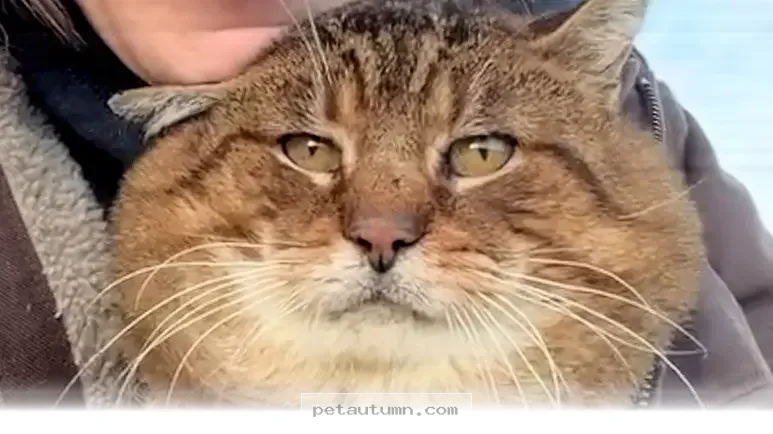
Imagine living your entire life on the edge, always looking over your shoulder for the next threat. For Jim, a resilient feral tomcat, that was his reality for nearly two decades while he roamed the farm.
Life as a feral cat is physically demanding and rarely involves the comfort of a warm bed. When a health crisis finally brought him into the care of his human guardian, it marked the beginning of a truly remarkable transformation.
Key Takeaways
- Senior feral cats can learn to trust humans even after years of independence.
- Medical intervention is often the catalyst for social interaction in feral populations.
- Patience is your greatest tool when socializing an older cat who prefers his space.
- Respecting a cat’s boundaries helps build a foundation of mutual trust and security.
The Journey to Trust
Socializing a cat who has spent twenty years without human affection is no small feat. It requires a slow, steady approach that prioritizes the animal’s comfort above your own desire to cuddle.
1. Establish a Safe Sanctuary
You must provide a quiet, low-traffic environment where the cat can observe you without feeling cornered. Use a large crate or a dedicated room to help him adjust to your presence without the pressure of direct interaction.
2. Practice Passive Presence
Sit near his sanctuary and read a book or scroll through your phone without making eye contact. This teaches him that you are a neutral, non-threatening fixture in his new environment.
3. Use Positive Reinforcement
Offer high-value treats or soft food during your quiet sessions to create a positive association with your scent. Never force him to come to you; let him choose the distance that makes him feel secure.
The transition from a feral existence to an indoor life is a significant adjustment for any senior feline.
Understanding Senior Feral Health
Older cats often deal with chronic conditions that require a gentle, consistent routine. Understanding their specific needs helps you provide the best quality of life possible during their golden years.
| Condition | Common Signs | Management Strategy |
|---|---|---|
| Arthritis | Stiffness or hesitation to jump | Use ramps and orthopedic bedding |
| Dental Issues | Drooling or refusal to eat | Regular professional dental checkups |
| Vision/Hearing Loss | Startling easily or confusion | Keep furniture in fixed positions |
| Kidney Support | Increased thirst and urination | Monitor water intake and diet |
Note: The table above is for educational purposes. Always monitor your cat’s behavior closely.
Managing Behavioral Shifts
Transitioning a feral cat into your home involves recognizing that his personality is already well-formed. He may never become a lap cat, but he can become a beloved companion who greets you at the door.
Essential Supplies for Your Senior Rescue
- Orthopedic Bedding: Joint support is vital for senior cats.
- Low-Sided Litter Boxes: These make entry easier for cats with mobility issues.
- Feliway Diffusers: These can help create a calming atmosphere in the home.
- Interactive Toys: Even senior cats enjoy gentle, low-impact play to keep their minds sharp.
- High-Quality Wet Food: Hydration is essential for maintaining kidney health in older cats.
Signs Your Feral Cat is Relaxing
You will know you are making progress when you notice small, subtle changes in his behavior. Keep a watchful eye for these milestones as you continue your journey together.
- Softened Blink: Slow blinking is a sign of trust and affection.
- Relaxed Posture: Seeing him lie on his side instead of curled tight is a victory.
- Increased Curiosity: He may begin to explore rooms while you are nearby.
- Audible Purring: A soft purr during grooming sessions shows he feels safe.
For more information on supporting the health of your aging feline friend, you can visit resources from the ASPCA or consult your local veterinarian for personalized guidance on senior care.
The information on petautumn.com is for general informational purposes only and does not constitute veterinary advice. Pet health needs vary by breed, age, and individual condition. Always consult a licensed veterinarian before making decisions about your pet’s health, diet, or medical treatment. Pet Autumn is not affiliated with any veterinary organization, pet food manufacturer, or breeder.
Watching a long-term feral cat finally exhale and accept his life of luxury is one of the most rewarding experiences a pet owner can have. It reminds us that it is never too late for an animal to find their place in the world.
If you are considering taking in a senior cat, prepare for a slow pace but a deep, lasting connection. You are offering him the peace he has earned after years of survival, and that gift is truly priceless.

Dog care writer at petautumn.com. Visual Communication Design graduate (S.Ds) from Universitas Udayana. Covers dog breeds, behavior, training, and gear reviews. Dog dad to Meepo. Based in Austin, Texas.