Written by Kadek Darma
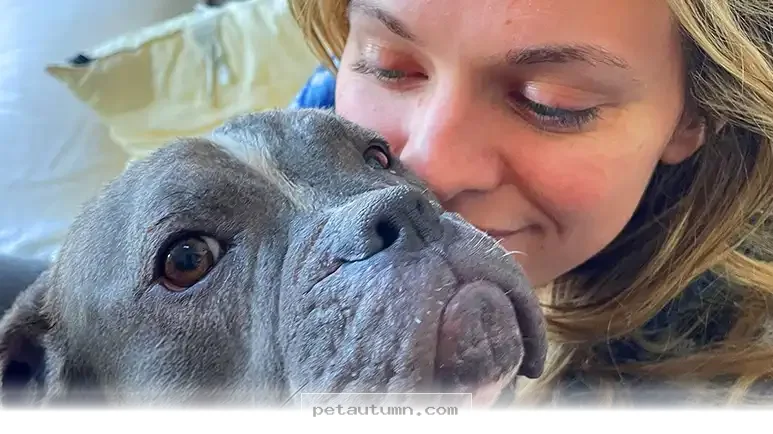
Rescuing a dog from a difficult past is one of the most rewarding journeys you can undertake as a pet parent. When a pup like Reese arrives with a history of neglect, she brings more than just physical needs; she brings a story of resilience that deserves to be honored with patience and love.
Watching a dog transform from a timid survivor into a cherished family member is a beautiful experience. Every wag of her tail and every moment of trust she offers becomes a testament to the power of a safe, stable environment.
- Patience is the foundation of building trust with a rescued dog.
- Establishing a predictable routine helps minimize anxiety in new environments.
- Positive reinforcement is essential for helping a dog feel secure.
- Medical follow-ups ensure that past trauma does not hide current health needs.
Understanding the Needs of Rescued Dogs
Every dog coming from a challenging background reacts differently to their new life. Some might be eager for attention immediately, while others prefer to observe from a distance before opening up to their new owners.
You should always be mindful of the signs your dog is sending you. By observing their behavior, you can tailor your approach to help them feel more comfortable in your home.
1. Identifying Potential Signs of Stress
If your dog has a history of neglect, she may exhibit specific behaviors that indicate she is feeling overwhelmed or anxious. Being able to recognize these signs early allows you to adjust your training and environment to better suit her comfort levels.
- Pacing or inability to settle down
- Excessive hiding or seeking small, dark spaces
- Avoidance of eye contact or cowering
- Changes in appetite or refusal to eat
- Vocalizing, such as whining or whimpering
2. Creating a Safe Haven
Providing a dedicated space where your dog can retreat is a great way to build confidence. Whether it is a cozy crate with soft blankets or a quiet corner in the living room, a safe spot helps her feel protected when the world outside feels too big.
It is helpful to keep this space consistent and quiet. Over time, she will learn that this is her area where she is never bothered or forced to interact, which goes a long way in building long-term trust.
Comparing Support Strategies
When caring for a rescue dog, your strategy should remain flexible. Refer to the table below for common approaches that can help you manage your dog’s adjustment period effectively.
| Strategy | Benefit | Status |
|---|---|---|
| Consistent Routine | Builds security | Recommended |
| Frequent Visitors | Encourages socialization | Proceed with caution |
| Forcing Interaction | None | Avoid |
By maintaining a consistent schedule, you help your pet understand exactly what to expect from her day.
Steps for Successful Integration
Integrating a dog with a difficult past into your household requires a step-by-step approach that prioritizes her emotional well-being above all else.
1. Start with a Slow Introduction
Do not rush the introduction to your home or other family members. Give your dog the time she needs to sniff her surroundings and realize that she is in a place where she is safe from harm.
2. Prioritize Veterinary Care
Early medical exams are essential for rescued pets to address any lingering issues from their time of neglect. According to the American Veterinary Medical Association, early health assessments are critical for developing a long-term care plan.
3. Use Positive Reinforcement
Reward her for brave behaviors, like approaching you for a pet or playing with a toy. Keeping a stash of high-value treats can help reinforce that your presence and her new environment are positive things.
4. Maintain a Steady Schedule
Dogs thrive on predictability, so try to feed her, walk her, and sleep at similar times every single day. This helps lower her baseline stress levels as she learns that she is now in a permanent, loving home.
5. Monitor Her Progress
Keep a small journal or note on your phone regarding her behavior changes over the first few months. You will be surprised to see how much she grows when she realizes she is finally home for good.
The information on petautumn.com is for general informational purposes only and does not constitute veterinary advice. Pet health needs vary by breed, age, and individual condition. Always consult a licensed veterinarian before making decisions about your pet’s health, diet, or medical treatment. Pet Autumn is not affiliated with any veterinary organization, pet food manufacturer, or breeder.
Watching a dog like Reese bloom is a reminder of why we open our hearts to rescue animals. She may have had a hard start, but she has the rest of her life to enjoy the comfort she deserves.
Focus on the small victories, like the first time she sleeps soundly or chooses to sit near you on the couch. These quiet moments are the real rewards of your dedication and kindness.

Dog care writer at petautumn.com. Visual Communication Design graduate (S.Ds) from Universitas Udayana. Covers dog breeds, behavior, training, and gear reviews. Dog dad to Meepo. Based in Austin, Texas.