Written by Kadek Darma
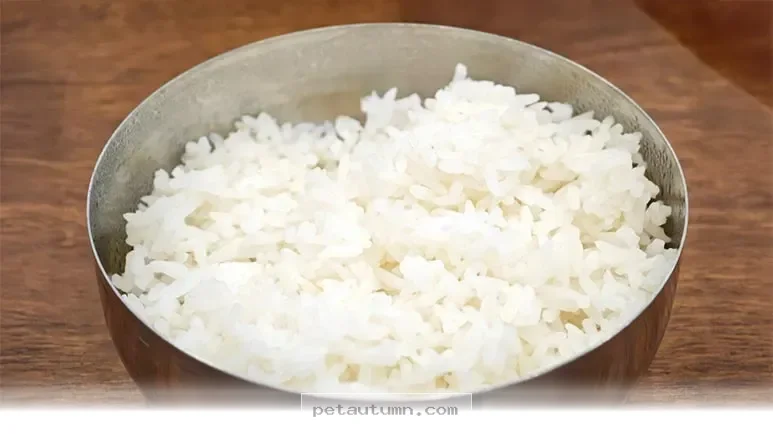
White rice is a kitchen staple found in pantries across the globe, often prized for its fluffy texture and versatility. You might wonder if this common pantry item has a place in your dog’s bowl, especially since it frequently appears on ingredient labels in commercial pet foods.
While white rice is certainly not toxic to your furry friend, understanding how it affects their body is the first step toward better nutrition. Before you start sharing your leftovers, let’s look at the science behind this popular grain.
Key Takeaways
- White rice is processed to remove the bran and germ, which strips away much of its natural fiber and nutrient profile.
- While not toxic, it is a high-glycemic starch that provides carbohydrates your pet does not biologically require for optimal health.
- You should limit carbohydrate intake for active dogs to under 20% of their total daily diet to avoid metabolic strain.
- Always wash and soak rice thoroughly before cooking to help reduce potential levels of arsenic and other antinutrients.
- Prioritize high-quality proteins and healthy fats as the foundation of your pet’s diet rather than starchy fillers.
What Exactly Is White Rice?
White rice starts as the same grain as brown rice, but it undergoes significant milling and polishing. This process removes the outer bran and germ layers, resulting in a whiter grain that has a longer shelf life and a softer texture.
Unfortunately, this processing also eliminates the most nutrient-dense parts of the grain. To compensate for these losses, many manufacturers artificially spray the grains with B vitamins and iron during production.
Is White Rice Healthy for Your Dog?
Feeding your pet white rice is generally considered safe, but safe does not always mean nutritious. Because it is a high-glycemic food, it converts quickly into sugar once ingested by your dog.
| Nutrient Type | Impact on Canine Health |
|---|---|
| Protein | Essential for muscle maintenance and immune support |
| Healthy Fats | Critical for skin, coat, and energy levels |
| Starchy Carbs | High glycemic; may contribute to weight gain or inflammation |
Consistent consumption of high-starch diets can lead to blood sugar spikes and may increase the risk of obesity or diabetes over time. If your veterinarian recommends a bland diet due to an upset stomach, white rice is often used because it is easy to digest, but it should not be a permanent dietary staple.
1. Consider the Glycemic Index
White rice has a glycemic index of 66, which is relatively high. Since dogs have no biological requirement for carbohydrates, you should focus on providing calories through lean meats and healthy fats instead.
2. Monitor Daily Portions
If you choose to use white rice in homemade meals or occasional treats, keep it in moderation. According to the American Kennel Club, treats and extras should never exceed 10% of your dog’s total daily caloric intake.
3. Preparation Matters
To minimize the presence of compounds like arsenic, phytic acid, and lectin, always rinse your rice thoroughly in a fine-mesh strainer. Keep washing the grains until the water runs clear before you start the cooking process.
Comparing Carbohydrate Sources for Pets
Choosing the right base for a homemade meal requires looking at the nutritional density of your ingredients. While white rice is inexpensive, other options may offer better metabolic benefits for your pet.
| Ingredient | Glycemic Impact | Nutrient Density |
|---|---|---|
| Sprouted Rolled Oats | Low | High |
| Brown Rice | Moderate | Moderate |
| White Rice | High | Low |
While white rice is a convenient filler, it lacks the fiber and essential phytonutrients found in other grains. If you need to include carbohydrates, look for options that are lower on the glycemic index to help maintain your dog’s stable blood sugar levels.
Bioactive Compounds and Considerations
Even though white rice is stripped of much of its value, it still contains small amounts of phenolic acids like ferulic and syringic acid. These compounds are studied for their potential anti-inflammatory and antioxidant properties, though they are present in much higher concentrations in unrefined grains.
As you look for the best fuel for your pet, remember that their ancestors thrived on diets rich in animal protein. You can learn more about canine nutritional needs through resources like PetMD or the ASPCA.
The information on petautumn.com is for general informational purposes only and does not constitute veterinary advice. Pet health needs vary by breed, age, and individual condition. Always consult a licensed veterinarian before making decisions about your pet’s health, diet, or medical treatment. Pet Autumn is not affiliated with any veterinary organization, pet food manufacturer, or breeder.
Choosing the right diet for your dog is a journey toward better longevity and vitality. By focusing on whole, unprocessed ingredients, you give your pet the best chance at a happy and healthy life.
If you decide to incorporate white rice, keep it as a minor component of a balanced diet rather than the main event. Your dog will thank you with plenty of tail wags and healthy energy for years to come.

Cat care writer at petautumn.com. English Literature graduate (S.S) from Universitas Udayana. Covers cat breeds, behavior, nutrition, grooming, and health. Cat mom to Luna and Lina. Based in Austin, Texas.