Written by Kadek Darma
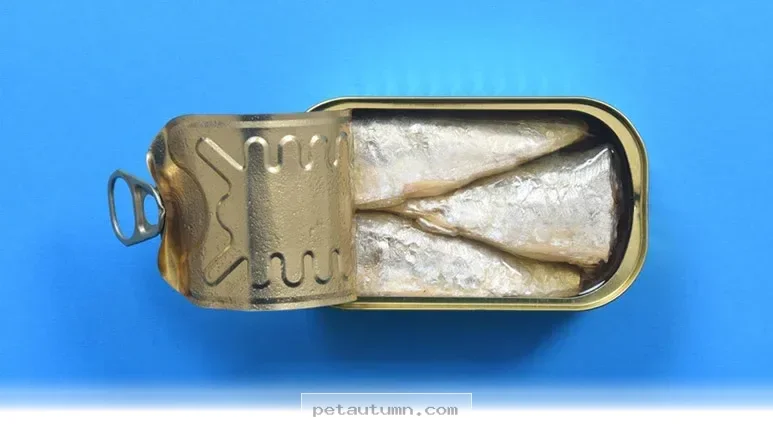
Sardines are small saltwater fish that have been a staple in human diets for centuries, often enjoyed in everything from simple snacks to gourmet meals. These tiny, oily fish are not just for humans; they also make a fantastic, nutrient-dense treat for your canine companion.
When sourced and served correctly, these fish provide a significant boost to your dog’s daily nutrition. They are packed with healthy fats and essential minerals that can support your pet from their nose to their tail.
Key Takeaways
- Sardines are an excellent source of EPA and DHA omega-3 fatty acids.
- Always choose sardines packed in water rather than oil or salt-heavy brines.
- These fish provide essential nutrients like vitamin B12, vitamin D, and selenium.
- Treats, including sardines, should never exceed 10% of your dog’s daily caloric intake.
- Raw or properly dehydrated sardines are the best ways to serve this snack.
The Power of Omega-3 Fatty Acids
One of the most impressive aspects of the humble sardine is its high concentration of omega-3 fatty acids. These fats are essential because dogs cannot produce them naturally in sufficient quantities, meaning they must come from the food they eat.
By adding these beneficial fats to your dog’s bowl, you are helping support several vital bodily functions. Research indicates that these fatty acids play a crucial role in maintaining your pet’s overall vitality and long-term wellness.
1. Managing Joint Inflammation
Many senior dogs suffer from stiff joints and discomfort as they age. Omega-3s have been shown to help manage inflammation, which can improve your dog’s mobility and their ability to enjoy daily walks.
2. Supporting Skin and Coat
If your dog struggles with a dull coat or dry skin, the healthy oils in sardines may help. These nutrients support the skin barrier, often leading to a shinier, softer coat and reduced itchiness.
3. Promoting Heart Health
Heart function is vital for an active lifestyle, and omega-3s are a key supporter of cardiovascular health. They help reduce the production of inflammatory cytokines, which is a great way to keep your dog’s heart functioning at its best.
4. Aiding Growth in Puppies
Puppies are in a critical stage of development, and the nutrients found in fish can be very helpful. DHA specifically plays a significant role in the development of cognitive and retinal functions during those important early months.
Nutrient Density Comparison
To help you understand why these fish are such a valuable addition, we have organized the nutritional benefits below. While they are small, their impact on your dog’s health is quite large.
| Nutrient | Primary Benefit |
|---|---|
| Omega-3 (EPA/DHA) | Supports joints, heart, and skin health. |
| Vitamin B12 | Assists in digestion and metabolic processes. |
| Vitamin D | Vital for strong bone development and metabolism. |
| Selenium | Provides antioxidant support and thyroid health. |
How to Choose and Serve Sardines
When you head to the store, it is easy to get overwhelmed by the many canned options available. Always look for sardines packed in water with no added salt, as extra sodium and vegetable oils can be harmful to your pet.
For those who want to provide the highest quality, fresh or frozen sardines are often the best choice. If you prefer the convenience of canned, double-check the label every single time to ensure no hidden ingredients are present.
1. Preparing the Fish
Drain the water thoroughly before serving to avoid any excess liquid. You can offer the fish whole as a special reward or mash them into their regular meal.
2. Dehydrating at Home
Dehydrating is a great way to create a shelf-stable treat that keeps all the nutrients intact. Simply drain the water, place the sardines on a tray, and dehydrate at a low temperature until they are crispy.
3. Monitoring Portions
Treats should only account for 10% of your dog’s daily intake. Overfeeding can lead to weight gain, so use these healthy snacks as a supplement to a complete and balanced diet.
The information on petautumn.com is for general informational purposes only and does not constitute veterinary advice. Pet health needs vary by breed, age, and individual condition. Always consult a licensed veterinarian before making decisions about your pet’s health, diet, or medical treatment. Pet Autumn is not affiliated with any veterinary organization, pet food manufacturer, or breeder.
Incorporating sardines into your dog’s routine is a simple way to provide high-quality nutrients that support their physical health. Whether you choose to serve them fresh or dehydrated, your dog will surely appreciate the savory, oily snack.
Just remember to keep portions in check and prioritize a balanced diet for your best friend. With these small steps, you can help ensure your dog stays happy, healthy, and full of energy for years to come.

Dog care writer at petautumn.com. Visual Communication Design graduate (S.Ds) from Universitas Udayana. Covers dog breeds, behavior, training, and gear reviews. Dog dad to Meepo. Based in Austin, Texas.