Written by Kadek Darma
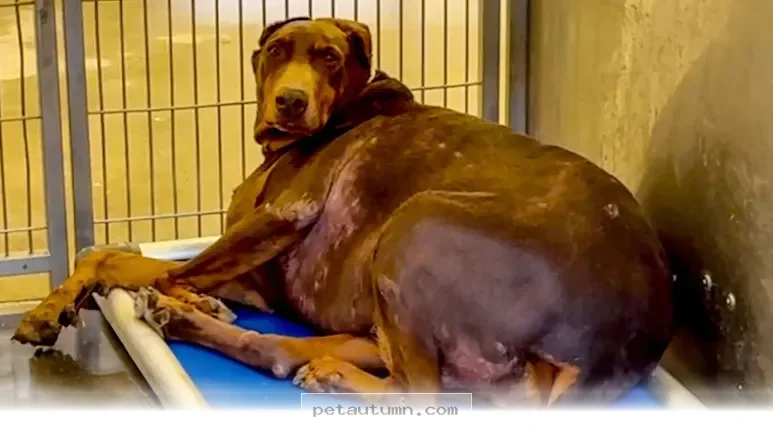
Seeing a dog transform from a state of physical struggle to one of vibrant health is truly a heartwarming experience. For Jenny, a Doberman Pinscher who faced significant health hurdles, that journey began the moment she entered the world of foster care.
When she first arrived, Jenny was severely overweight and battling an underactive thyroid. Her story is a powerful reminder of how patience, medical intervention, and a loving environment can change a dog’s life forever.
Key Takeaways
- Weight management is essential for long-term joint and organ health in large breeds.
- Hypothyroidism in dogs often manifests as unexplained weight gain and lethargy.
- Consistent, low-impact exercise helps obese dogs build stamina without stressing joints.
- Foster families provide the critical stability needed for medical recovery and socialization.
- Veterinary guidance is the foundation of any successful weight loss or recovery plan.
Understanding the Challenges of Canine Obesity
Managing a dog’s weight is about more than just aesthetics; it is about ensuring your companion can move comfortably throughout their life. Many owners do not realize that even a few extra pounds can put significant strain on a dog’s heart, lungs, and joints.
When you notice your dog slowing down or struggling to get up, it is time to look closer at their daily habits. Sometimes, weight gain is a symptom of an underlying medical condition, such as a hormonal imbalance, rather than just overeating.
1. Identifying Common Symptoms
If your dog is showing signs of physical distress, you should monitor them for these behaviors:
- Persistent lethargy or lack of interest in play.
- Difficulty climbing stairs or jumping onto furniture.
- Increased panting during mild activities.
- Unexplained weight gain despite controlled portion sizes.
- Changes in skin or coat quality, which can signal thyroid issues.
The Role of Medical Intervention
Before you start any weight loss regimen, a thorough checkup at your veterinary clinic is non-negotiable. Your vet will perform blood work to check for conditions like hypothyroidism, which slows down the metabolism and makes weight loss nearly impossible without medication.
Once a medical plan is in place, you can begin to make small, sustainable changes to your pet’s lifestyle. It is a slow process, but the long-term benefits for your dog’s quality of life are immense.
| Strategy | Impact |
|---|---|
| Portion Control | High: Direct calorie management |
| Increased Activity | Moderate: Must be low-impact initially |
| Table Scraps | Negative: Adds hidden calories |
How to Support Your Dog’s Weight Loss
Helping your dog lose weight requires a mix of dedication and consistency from every family member. You must ensure that everyone in the house follows the same rules to prevent accidental feeding.
1. Establish a Consistent Feeding Routine
Measure every meal using a standard cup or a digital scale to ensure accuracy. Avoid free-feeding, as it makes it difficult to track exactly how much your dog consumes throughout the day.
2. Prioritize Low-Impact Exercise
Start with short, frequent walks on flat surfaces to protect your dog’s joints. As their fitness improves, you can gradually increase the duration and distance of your outings.
3. Replace High-Calorie Treats
Many commercial treats are packed with fillers and excess sugar. Consider using healthy alternatives like raw green beans or carrot sticks during training sessions.
4. Monitor Progress Regularly
Keep a log of your dog’s weight changes and energy levels. Schedule regular weigh-ins with your veterinarian to ensure the progress is safe and steady.
5. Enrichment Over Food
Focus on mental stimulation rather than food-based rewards to keep your dog engaged. Puzzle toys or scent games can burn energy without adding calories to their daily intake.
Transitioning to a healthier lifestyle is a journey that strengthens the bond between you and your dog.
Essential Supplies for Success
- Digital kitchen scale for precise meal measurement.
- High-quality, vet-recommended weight management dog food.
- Orthopedic bed to support joints during rest.
- Durable, low-impact training tools like treat-dispensing puzzle balls.
- A sturdy, comfortable harness for supportive walks.
For more information on managing your pet’s nutritional needs, you can visit resources provided by the American Kennel Club. Understanding how your dog’s metabolism works is a key part of being a responsible owner.
The information on petautumn.com is for general informational purposes only and does not constitute veterinary advice. Pet health needs vary by breed, age, and individual condition. Always consult a licensed veterinarian before making decisions about your pet’s health, diet, or medical treatment. Pet Autumn is not affiliated with any veterinary organization, pet food manufacturer, or breeder.
Jenny’s story is a beautiful reminder that no matter how difficult the start, a new chapter is always possible. With the right care and a bit of love, your dog can regain their spark and enjoy a long, active life by your side.
Take your time with the process and celebrate the small victories along the way. Whether it is a longer walk or a healthier weight, every step forward counts toward a happier future for your best friend.

Dog care writer at petautumn.com. Visual Communication Design graduate (S.Ds) from Universitas Udayana. Covers dog breeds, behavior, training, and gear reviews. Dog dad to Meepo. Based in Austin, Texas.