Written by Kadek Darma
There is something truly magical about hitting a mountain trail. You pack your gear, lace up your boots, and set out for a day of fresh air and solitude.
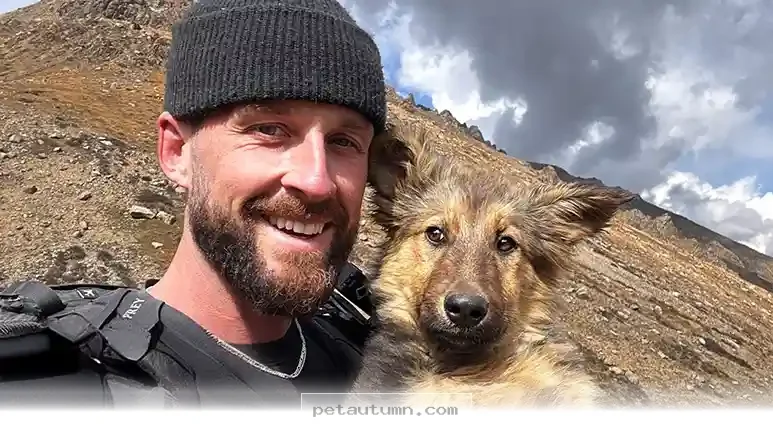
Sometimes, however, the mountains have a different plan for you. That is exactly what happened to one hiker who unexpectedly gained a four-legged companion along his winding route.
Key Takeaways
- Stray dogs on mountain trails often have established territories and are not necessarily abandoned.
- Always pack extra water and a high-protein snack in case you encounter an animal in need.
- Assessing an animal’s body language is critical for your safety and theirs.
- Local communities often care for "community dogs" that roam freely but have owners.
- Prioritize the animal’s long-term quality of life over the immediate emotional urge to rescue them.
Meeting a Mountain Companion
The encounter started quietly near a steep incline. A medium-sized dog, later named Rex by the hiker, appeared from the brush and simply began walking alongside him.
Rex did not show signs of aggression or fear, but rather a calm, steady determination to keep pace. For the next several miles, the duo navigated the rocky terrain as if they had been hiking partners for years.
How to Handle a Trail Encounter
If you find yourself in a similar situation, you might feel a rush of protective instinct. Before you decide to intervene, follow these steps to ensure you are making the best choice for the animal.
1. Observe the Dog’s Behavior
Watch for signs of distress, injury, or extreme hunger. A dog that is happy, alert, and moving well is likely a local guardian or a "community dog" rather than a lost pet.
2. Check for Identification
If the dog allows you to get close, look for a collar or tags. Be extremely cautious, as even friendly dogs can be unpredictable in a high-stress environment like the wilderness.
3. Maintain Your Boundaries
Keep your own supplies, such as water and food, tucked away safely. Providing food can sometimes cause territorial behavior or attract other wildlife to your immediate area.
4. Contact Local Authorities
If the dog seems truly abandoned or injured, contact local animal control or ASPCA resources. They can provide guidance on whether the dog is part of a known local population.
Evaluating the Situation
When you are out on the trail, it is easy to view every interaction through the lens of a potential rescue. However, the reality of mountain living for animals is often quite different from urban life.
| Factor | Household Pet | Mountain/Community Dog |
|---|---|---|
| Environment | Controlled, indoors | Wide-open, roaming |
| Social Needs | High human interaction | Independent, territorial |
| Health Risks | Monitored by vet | Exposure to parasites |
| Diet | Consistent, balanced | Scavenged or supplemented |
Note: The table above is for comparison purposes regarding lifestyle differences.
Why Leaving Them Might Be Kinder
The hiker eventually realized that Rex had a routine and a network of people who looked after him at the trail’s base. Bringing a dog accustomed to the wild into a suburban home can be a massive adjustment.
Many of these dogs thrive in their natural habitat. They are physically conditioned for the climate and have established social bonds with other local animals and humans.
The information on petautumn.com is for general informational purposes only and does not constitute veterinary advice. Pet health needs vary by breed, age, and individual condition. Always consult a licensed veterinarian before making decisions about your pet’s health, diet, or medical treatment. Pet Autumn is not affiliated with any veterinary organization, pet food manufacturer, or breeder.
Recognizing when to let an animal stay in their element is a true act of compassion. It acknowledges that their freedom and established social structures are often what keep them healthy and happy.
As you continue your own hiking adventures, keep an open heart for the creatures you meet. Sometimes, the best connection you can have with a trail dog is a simple, shared mile and a respectful goodbye.

Dog care writer at petautumn.com. Visual Communication Design graduate (S.Ds) from Universitas Udayana. Covers dog breeds, behavior, training, and gear reviews. Dog dad to Meepo. Based in Austin, Texas.