Written by Kadek Darma
You have likely seen cauliflower popping up in every trendy recipe lately, from low-carb rice alternatives to creative pizza crusts. Many of us know this versatile cruciferous vegetable is a nutritional powerhouse for humans, but have you ever wondered if your furry companion can join in on the crunch?
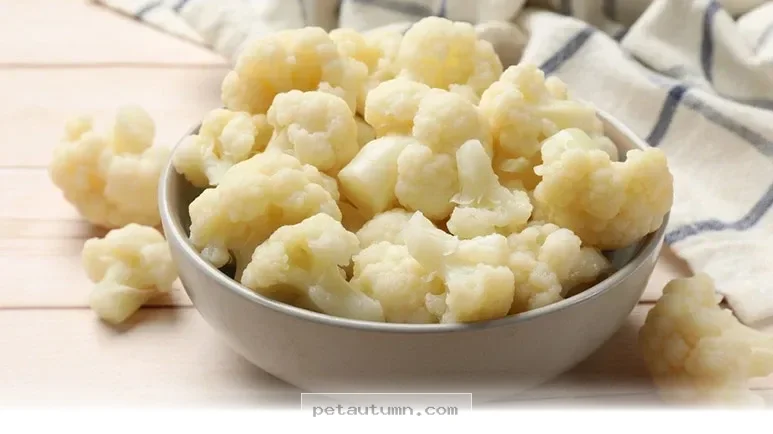
The short answer is yes, you can absolutely share this vegetable with your pet. When prepared correctly, cauliflower serves as a wonderful, nutrient-dense treat or a healthy addition to a balanced, species-appropriate homemade diet.
Key Takeaways
- Cauliflower contains sulforaphane, a powerful compound that activates over 200 genes.
- It provides essential choline to support your pet’s brain, liver, and muscle function.
- The vegetable is rich in antioxidants that help neutralize harmful reactive oxygen species.
- Always serve it plain, as seasonings like garlic or onions can be toxic.
- Lightly steaming or boiling helps prevent the gas and bloating associated with raw consumption.
Understanding the Power of Cauliflower
Cauliflower belongs to the Brassicaceae family, making it a close relative of broccoli, Brussels sprouts, and cabbage. It is essentially a developing flower that offers a surprising amount of nutritional value in every bite.
These vegetables are packed with antioxidants like carotenoids and vitamin C, which work hard to protect your pet’s cells from oxidative stress. Incorporating these small, crunchy portions into your pet’s routine is a simple way to introduce more natural nutrients into their bowl.
The Science Behind the Crunch
The most exciting compound found in cauliflower is sulforaphane, which has been studied for its remarkable chemopreventive properties. This compound acts as a key that unlocks the Nrf2 protein in your pet’s body.
Once activated, this protein stimulates over 200 genes, triggering a cascade of beneficial reactions. These include improved detoxification processes, better management of internal inflammation, and the stimulation of your pet’s natural antioxidant production.
Essential Nutrients for Vitality
Beyond its antioxidant profile, cauliflower is an excellent source of choline, a vital nutrient for your pet’s long-term health. While pets produce some choline naturally, they often need more to maintain peak wellness.
Choline is a critical building block for acetylcholine, a neurotransmitter that helps regulate everything from heart rate to muscle contractions. Additionally, the fiber content in cauliflower supports a healthy microbiome and encourages optimal bowel function when served in appropriate, small quantities.
Comparison of Veggie Benefits
| Vegetable | Primary Benefit | Best Served |
|---|---|---|
| Cauliflower | Nrf2 Activation | Steamed/Boiled |
| Broccoli | Antioxidant Boost | Lightly Steamed |
| Brussels Sprouts | Digestive Support | Cooked Only |
| Carrots | Vitamin A/Beta-Carotene | Raw or Cooked |
Table: Comparison of common cruciferous vegetables for pets.
How to Safely Serve Cauliflower
If you are ready to introduce this treat to your pet, follow these simple steps to ensure safety and digestibility. Proper preparation is the most effective way to avoid an upset stomach.
- Start Small: Introduce a very small piece first to see how your pet reacts.
- Keep it Plain: Never add butter, salt, garlic, or onions to your pet’s portion.
- Cook Lightly: Steam or boil the florets to make them easier to digest.
- Chop it Up: Cut the vegetable into bite-sized pieces to prevent any choking hazards.
- Monitor Digestion: Keep an eye on your pet for any signs of gas or loose stools.
Guidelines for Serving Sizes
- Small Dogs: 1 to 2 small, bite-sized florets.
- Large Dogs: 3 to 4 small, bite-sized florets.
- Cats: A tiny, mashed portion mixed into their food.
Addressing Potential Risks
While cauliflower is generally safe, it is not without its cautions. Some pets may experience gas if they eat too much, particularly if they are not used to fiber-rich foods.
| Risk Factor | Caution Level | Solution |
|---|---|---|
| Raw Texture | Yellow (Caution) | Lightly steam to soften. |
| Overfeeding | Yellow (Caution) | Limit to 10% of total diet. |
| Seasonings | Red (Warning) | Use only plain water for cooking. |
Table: Safety considerations for your pet.
The information on petautumn.com is for general informational purposes only and does not constitute veterinary advice. Pet health needs vary by breed, age, and individual condition. Always consult a licensed veterinarian before making decisions about your pet’s health, diet, or medical treatment. Pet Autumn is not affiliated with any veterinary organization, pet food manufacturer, or breeder.
Adding a little variety to your pet’s diet with fresh, whole foods like cauliflower can be a rewarding experience for both of you. Always remember that treats should only make up a small portion of their daily caloric intake to ensure they maintain a healthy weight.
If you are curious about other healthy additions to your pet’s meals, you can check out resources from the American Kennel Club or the ASPCA for more information on safe human foods. Always prioritize a balanced, species-appropriate diet as the foundation for your pet’s lifelong health.

Cat care writer at petautumn.com. English Literature graduate (S.S) from Universitas Udayana. Covers cat breeds, behavior, nutrition, grooming, and health. Cat mom to Luna and Lina. Based in Austin, Texas.