Written by Ayu Pratiwi
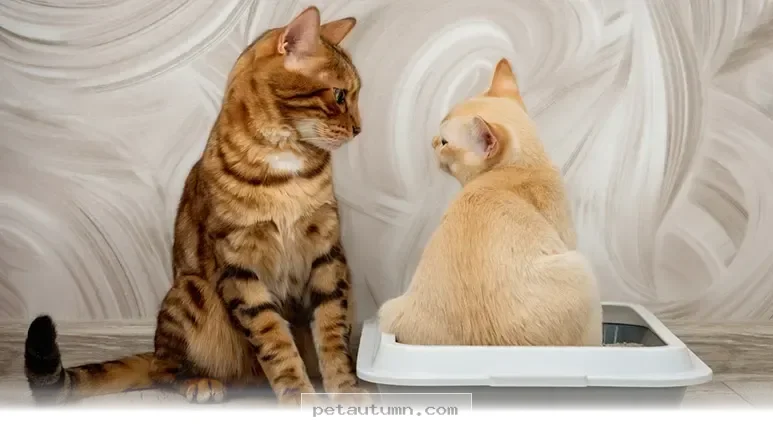
You notice your cat making trip after trip to the litter box. Nothing much seems to be coming out, and they look incredibly uncomfortable.
Perhaps you hear a little cry or spot a pink tint in the litter. When they finally walk away, they start licking their belly area obsessively, and you know something is just not right.
Key Takeaways
- FLUTD is an umbrella term for bladder inflammation, crystals, stones, and occasional infections.
- Struvite crystals often form in alkaline urine, while calcium oxalate crystals prefer acidic conditions.
- Male cats experiencing a total blockage of the urethra represent a life-threatening medical emergency.
- Dehydration, stress, and dry-food-only diets are major factors that can influence urinary health.
- Always prioritize professional veterinary diagnostics to identify the specific cause of your cat’s discomfort.
Understanding Feline Urinary Issues
What you are likely observing is a cluster of symptoms known as Feline Lower Urinary Tract Disease, or FLUTD. While it can quickly become an emergency if left alone, many cases respond well to a combination of professional veterinary care and thoughtful, supportive changes at home.
FLUTD is a general term referring to several different problems that often look identical from the outside. The most common issue is idiopathic cystitis, which is essentially bladder inflammation with no obvious cause found on standard tests.
1. Identifying the Symptoms
Because cats are masters at hiding pain, you need to watch their behavior closely. If you notice any of these signs, it is time to act:
- Frequent trips to the litter box with little to no urine produced
- Straining, hunching, or looking visibly uncomfortable while trying to go
- Vocalizing or crying specifically while in the litter box
- Blood in the urine, which may look like a faint pink tint
- Excessive, obsessive licking of the genital area
- Urinating outside the box on soft surfaces like carpets, sofas, or laundry
- Sudden hiding or a noticeable change in their usual personality
Please remember that peeing outside the box is rarely a behavioral "protest." It is often a cry for help from a cat trying to find a surface that doesn’t cause them pain.
The Urgency of Blockages
If your male cat is straining to urinate and nothing is coming out, you must treat this as a life-threatening emergency. Male cats have a much narrower urethra than females, making them prone to complete blockages from crystals or inflammation.
When urine cannot exit the body, toxins quickly back up into the bloodstream. Without immediate medical intervention, this can lead to fatal kidney failure within 24 to 48 hours.
| Feature | Female Cat | Male Cat |
|---|---|---|
| Urethra Diameter | Wider | Narrower |
| Blockage Risk | Low | High (Emergency) |
| Symptom Severity | Moderate | Critical |
| Treatment Speed | Prompt | Immediate |
Comparing Common Crystal Types
Understanding the underlying cause helps you support your cat more effectively. The two most common crystal types form under completely opposite environmental conditions within the bladder.
| Crystal Type | Conditions | Common Factors |
|---|---|---|
| Struvite | Alkaline (pH > 7.5) | Dietary minerals, younger cats |
| Calcium Oxalate | Acidic (pH < 6.5) | Older cats, harder to dissolve |
Because these crystals form in opposite pH ranges, prevention strategies vary significantly. This is why a professional urinalysis at your local clinic is the only way to know which direction to take for your cat’s specific health needs.
Integrative Support Strategies
From a holistic perspective, urinary issues often signal that something in the body is out of balance. Integrative veterinarians frequently look at hydration, diet, and environment as the primary pillars of long-term health.
1. Increasing Water Intake
Cats are naturally desert animals that have a low thirst drive. Increasing water intake is the most effective way to flush the bladder and keep urine diluted.
- Offer multiple water fountains around the house to encourage drinking.
- Switch to a high-quality wet food diet to increase moisture intake.
- Add a small amount of warm water or low-sodium bone broth to meals.
2. Reducing Environmental Stress
Stress is a massive contributor to idiopathic cystitis in felines. Changes in the home, such as new pets, moving furniture, or even neighborhood cats outside, can cause enough anxiety to trigger a flare-up.
- Ensure your cat has plenty of vertical space to retreat and feel safe.
- Use synthetic pheromone diffusers to help create a calmer atmosphere.
- Keep the litter box in a quiet, low-traffic area of the home.
3. Maintaining Litter Box Hygiene
A dirty litter box can cause a cat to hold their urine for too long, which increases the risk of crystal formation. Scoop the boxes daily and perform a full scrub-down with mild, unscented soap at least once a week.
The information on petautumn.com is for general informational purposes only and does not constitute veterinary advice. Pet health needs vary by breed, age, and individual condition. Always consult a licensed veterinarian before making decisions about your pet’s health, diet, or medical treatment. Pet Autumn is not affiliated with any veterinary organization, pet food manufacturer, or breeder.
Always remember that your veterinarian is your best partner in navigating these challenges. While home support is helpful, it is never a substitute for professional diagnostic testing or emergency medical care when your cat is in distress.
By staying observant and proactive, you can help manage your cat’s urinary health and keep them feeling their best. Reach out to your veterinarian at the first sign of trouble to ensure a quick and comfortable recovery.

Dog care writer at petautumn.com. Visual Communication Design graduate (S.Ds) from Universitas Udayana. Covers dog breeds, behavior, training, and gear reviews. Dog dad to Meepo. Based in Austin, Texas.