Written by Kadek Darma
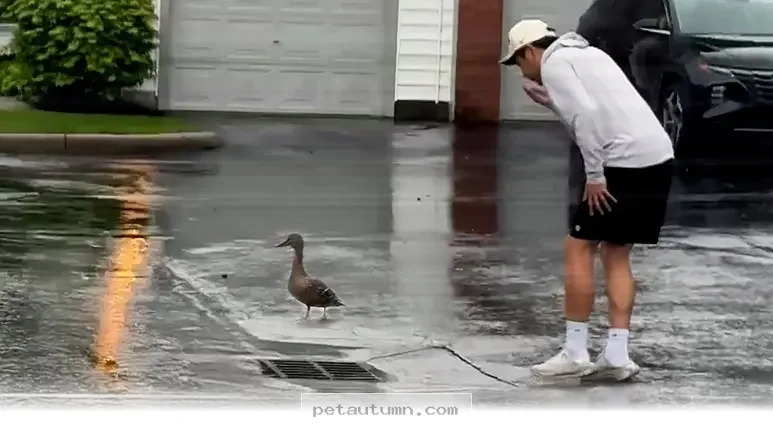
There is something truly heart-wrenching about the sound of a mother animal in distress, especially when her babies are in immediate danger. We have all seen those viral videos that capture a moment of pure humanity, like a mama duck frantically pacing near a storm drain while her ducklings peep loudly from the dark depths below.
It is in these moments that the true spirit of community shines through, reminding us that we have the power to change a life with just a little effort. Watching a group of strangers rally together to move a heavy grate during a rainstorm is a powerful testament to our innate connection with the natural world.
- Animal mothers often signal for help when their offspring are trapped.
- Safety should always be your first priority before attempting a rescue.
- Local authorities or animal control are often equipped to handle dangerous infrastructure.
- Cooperation and calm movements help prevent panic among wild animals.
- Knowing who to call can make the difference between tragedy and success.
The Instinctual Bond Between Animal Mothers and Their Offspring
Nature is filled with incredible examples of maternal instinct, and ducks are certainly no exception to this rule. A mother duck will often display specific behaviors when she recognizes that her ducklings are separated from her or stuck in a precarious situation.
You might notice her circling a specific area, vocalizing loudly, or refusing to leave a spot even when approached by humans. These signals are not just random movements; they are clear indicators that she is attempting to protect her brood from harm.
1. Recognizing the Signs of a Wildlife Emergency
If you encounter a wild animal that seems to be acting erratically or hovering near a drain, pipe, or busy road, take a moment to observe from a distance. Often, the mother is simply waiting for a safe moment to move her babies, but if you hear persistent distress calls from underground or behind a barrier, it might be time to step in.
- Persistent Vocalization: Loud, repetitive quacking or peeping that does not stop.
- Stationary Behavior: An animal refusing to leave a specific point despite the presence of people.
- Physical Barriers: Ducklings trapped behind grates, in drains, or inside fenced enclosures.
- Environmental Dangers: Approaching traffic, heavy rain, or predators lurking nearby.
2. Steps to Take When You Find Trapped Wildlife
If you decide to intervene, you must prioritize both your safety and the safety of the animals involved. Rushing into a situation without a plan can cause the mother to flee, leaving the babies even more vulnerable than they were before.
- Assess the situation: Determine if the animals are truly trapped or just waiting for a safe gap in traffic.
- Keep your distance: Move back so the mother feels comfortable returning or staying near the site.
- Call the professionals: Contact local animal control, the ASPCA, or a licensed wildlife rehabilitator before attempting to move heavy infrastructure.
- Secure the area: If you are near a road, try to divert traffic safely or place markers to prevent cars from hitting the mother.
- Use proper equipment: If you must lift a grate, use a crowbar or sturdy tool rather than your hands to avoid injury.
Comparing Wildlife Rescue Scenarios
When you find animals in need, the approach changes based on the species and the environment. Use this table to understand the different levels of urgency and safety precautions required.
| Scenario | Action Required | Safety Level |
|---|---|---|
| Ducklings in storm drain | Call local maintenance or animal control | Low Risk |
| Animal on busy highway | Contact police or highway patrol | High Risk |
| Injured predator | Do not touch; call a professional | Extreme Risk |
Why Professional Guidance Matters
While the story of the mama duck and the storm drain ended beautifully, not every rescue mission goes as smoothly. Wild animals are often stressed and may react defensively, even if they are currently in a state of distress.
According to the AVMA, handling wild animals carries risks such as disease transmission and physical injury from bites or scratches. This is why having a professional involved is the best way to ensure the animals reach a sanctuary or are released back into the wild safely.
Essential Supplies for Emergency Kits
If you live near a pond or wildlife area, having a few supplies in your car can make a difference. Always keep these items on hand:
- Heavy-duty gloves: To protect your hands from scratches or debris.
- A sturdy box: With air holes for temporary transport if a rehabilitator advises it.
- A clean towel: To gently pick up small animals or provide comfort.
- A bright flashlight: To help locate animals in dark drains or pipes.
- Emergency contact numbers: A list of local wildlife centers saved in your phone.
The Joy of a Successful Reunion
The most rewarding part of any rescue is watching the family reunite. When those ducklings finally climb out of the drain and rush toward their mother, you realize the effort was entirely worth it.
It serves as a powerful reminder that we share this planet with many creatures who rely on our awareness. By staying observant and knowing how to act, you become a guardian for the local wildlife in your own neighborhood.
The information on petautumn.com is for general informational purposes only and does not constitute veterinary advice. Pet health needs vary by breed, age, and individual condition. Always consult a licensed veterinarian before making decisions about your pet’s health, diet, or medical treatment. Pet Autumn is not affiliated with any veterinary organization, pet food manufacturer, or breeder.
Rescuing a mother duck and her ducklings is a story that stays with you long after the video ends. It encourages us to pay closer attention to the world around us and the quiet cries for help that might otherwise go unnoticed.
You do not need to be a hero to make a difference in a wild animal’s life. Sometimes, just being the person who makes the right phone call at the right time is all that nature needs to keep a family together.
Cat care writer at petautumn.com. English Literature graduate (S.S) from Universitas Udayana. Covers cat breeds, behavior, nutrition, grooming, and health. Cat mom to Luna and Lina. Based in Austin, Texas.