Written by Kadek Darma
Walking through a shelter can be an emotional experience for any animal lover. You often see hopeful faces pressing against kennel doors, waiting for a human to notice them.
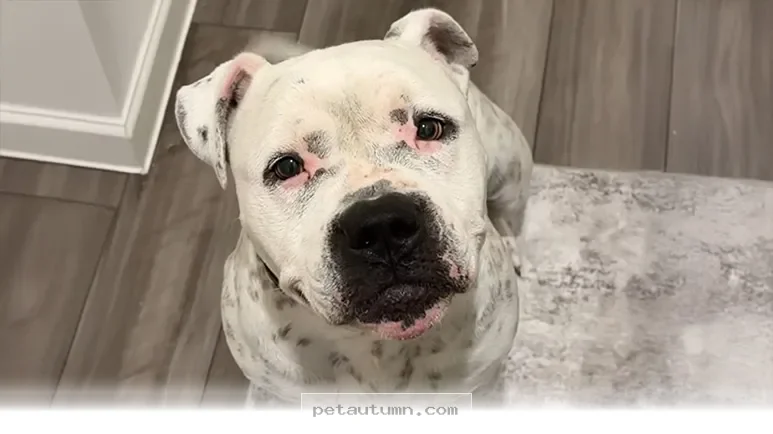
Sometimes, though, the dogs who need us most are the ones quietly tucked away in the back. A deaf dog named Churro was one such soul, overlooked by everyone until he finally found his person.
Key Takeaways
- Deaf dogs often face longer shelter stays due to communication barriers.
- Training a dog with hearing loss requires hand signals instead of voice commands.
- Patience and routine are the foundations of building trust with a rescued pet.
- Visual cues and physical touch become your primary tools for bonding and guidance.
Why Deaf Dogs Are Often Overlooked
When you visit a shelter, you likely look for a dog that greets you with a wagging tail or a bark. Deaf dogs may not respond to these traditional auditory cues, which leads some adopters to worry about the challenges of caring for them.
This perceived barrier is rarely a reflection of the dog’s actual personality or intelligence. Once you look past the silence, you often find an incredibly loyal companion who is eager to connect with you.
Understanding Deafness in Canines
Many people assume that a deaf dog will be difficult to train or impossible to manage. In reality, these dogs are often highly observant and incredibly focused on their owners.
| Trait | Impact on Training | Potential Benefit |
|---|---|---|
| Lack of Hearing | Requires visual cues | Increased focus on owner |
| High Visual Alertness | Monitors surroundings | Stronger connection to body language |
| Sensitivity to Vibration | Needs tactile signals | Deep physical bond |
Living With a Deaf Dog
Welcoming a deaf dog into your home is a rewarding journey that changes the way you communicate with animals. You learn to lead with your heart and your hands, creating a unique language between you and your pet.
1. Master Hand Signals
Instead of verbal commands, you will rely on clear, consistent hand gestures. You can find excellent resources on training methods through the AKC.
2. Use Vibration and Light
Since your dog cannot hear you enter a room, use gentle vibrations like tapping the floor or flicking the lights to get their attention. These simple physical cues help your dog feel secure rather than startled when you approach.
3. Establish a Consistent Routine
Predictability is the best way to help a rescue dog settle into a new environment. Feed, walk, and play at the same times every day so your dog knows exactly what to expect from you.
4. Safety First
Never let a deaf dog off-leash in an unfenced area, as they cannot hear approaching vehicles or other hazards. Always ensure they have a sturdy collar with an ID tag that clearly states they are deaf.
The Transformation of a Rescue
Churro’s story is a beautiful reminder that every dog deserves a chance to show their true colors. Initially, he struggled with anxiety and fear, which is common for dogs that have spent time in loud, chaotic shelter environments.
Consistency helped him understand that he was safe in his new home. Today, he is a vibrant, happy dog who enjoys long walks and cozy naps by his owner’s side.
Essential Supplies for Your Deaf Dog
- High-visibility leash and harness for outdoor walks.
- Sturdy fencing to keep your yard secure.
- Handheld clickers for visual marking during training.
- Treats for positive reinforcement and building motivation.
The information on petautumn.com is for general informational purposes only and does not constitute veterinary advice. Pet health needs vary by breed, age, and individual condition. Always consult a licensed veterinarian before making decisions about your pet’s health, diet, or medical treatment. Pet Autumn is not affiliated with any veterinary organization, pet food manufacturer, or breeder.
Choosing to adopt a dog that others have passed by is an act of incredible kindness. You are not just giving them a bed to sleep on, but a life full of purpose and love.
The bond you form with a dog who has overcome adversity is truly special. As you move forward together, remember that patience is the greatest gift you can provide to your new best friend.

Cat care writer at petautumn.com. English Literature graduate (S.S) from Universitas Udayana. Covers cat breeds, behavior, nutrition, grooming, and health. Cat mom to Luna and Lina. Based in Austin, Texas.