Written by Kadek Darma
It is no secret that most dogs and cats find the scent of fish absolutely irresistible. When you are looking for a nutrient-dense protein to supplement your pet’s diet, wild-caught salmon often tops the list of recommendations.
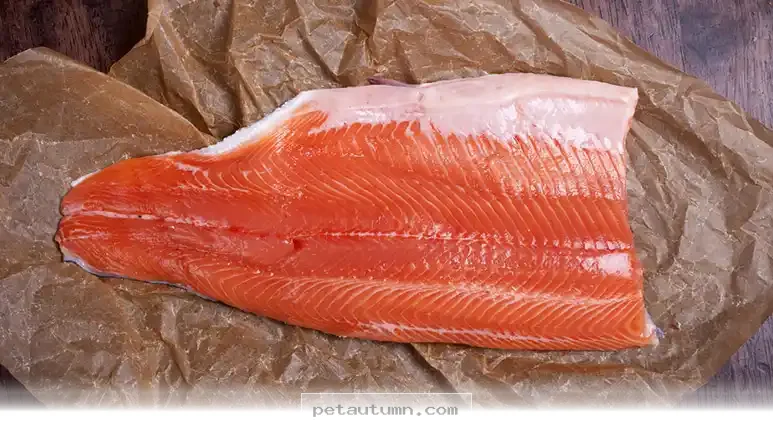
This vibrant, pink-hued fish is much more than just a tasty snack for your furry companion. It serves as a potent powerhouse of essential fats and antioxidants that can support your pet’s long-term vitality.
Key Takeaways
- Wild-caught salmon provides high-quality DHA and EPA, which are essential omega-3 fatty acids for pets.
- The pink color comes from astaxanthin, a powerful antioxidant that helps protect cells from oxidative stress.
- Always cook salmon thoroughly and gently, such as by poaching, to ensure safety and preserve nutrients.
- Avoid processed options like smoked or high-sodium canned salmon, as these can be harmful to your pet.
- When offered as a treat, salmon should account for no more than 10% of your pet’s daily caloric intake.
Why Salmon is a Nutritional Powerhouse
Salmon is widely celebrated for being rich in omega-3 fatty acids, specifically DHA and EPA. These healthy fats are critical because pets cannot efficiently convert plant-based omega-3s, like those found in flaxseed, into the forms their bodies need.
Beyond the fats, salmon contains a remarkable compound called astaxanthin. This carotenoid is responsible for the fish’s signature pink flesh and acts as a high-potency antioxidant that supports immune function and cellular health.
1. Benefits of Including Salmon in Your Pet’s Diet
- Skin and Coat Support: The omega-3 content helps soothe dry skin and promotes a glossy, healthy coat.
- Joint Health: These fatty acids may assist in modulating inflammation, which is helpful for pets with stiff joints.
- Cognitive Function: DHA is vital for brain health and may help support cognitive function in aging animals.
- Antioxidant Power: Astaxanthin provides unique protection that can reach the eyes and the central nervous system.
- Allergy Management: For pets sensitive to common proteins like chicken, salmon offers a nutritious alternative.
2. Choosing the Right Salmon for Your Pet
When you head to the store, focus on selecting fresh, wild-caught salmon rather than farm-raised varieties. Wild-caught fish generally provide a superior nutrient profile and are free from the dyes sometimes used in aquaculture.
Be very cautious with canned products, as many are packed in salt or oils that your pet does not need. You should also avoid smoked salmon entirely, as the curing process often involves high levels of sodium and other additives that are unsafe for domestic animals.
Comparison of Protein Sources
| Feature | Wild Salmon | Beef | Chicken |
|---|---|---|---|
| Omega-3 Levels | High | Low | Low |
| Antioxidants | Contains Astaxanthin | None | None |
| Allergen Risk | Low | Moderate | High |
| Cooking Method | Gentle Poaching | Thorough Cooking | Thorough Cooking |
Color key: Blue headers are standard; Green rows indicate high nutritional value; Yellow rows indicate moderate concern; Red rows indicate safety warnings.
3. How to Prepare Salmon Safely
Never feed your pet raw salmon, as it can contain parasites or bacteria that may cause severe illness. The safest approach is to poach the salmon gently in water until it is cooked through, ensuring you remove all bones before serving.
Avoid frying, grilling, or charring the fish. High-heat cooking methods can destroy the delicate fatty acids you are trying to provide and may create unhealthy byproducts known as advanced glycation end products.
The information on petautumn.com is for general informational purposes only and does not constitute veterinary advice. Pet health needs vary by breed, age, and individual condition. Always consult a licensed veterinarian before making decisions about your pet’s health, diet, or medical treatment. Pet Autumn is not affiliated with any veterinary organization, pet food manufacturer, or breeder.
Incorporating salmon into your pet’s routine can be a rewarding way to add variety and health-boosting nutrients to their meals. Whether you use it as a topper for their dinner or a reward during training, the quality of the source matters immensely.
Always prioritize fresh, gently prepared options to ensure your pet receives the full spectrum of benefits. Your furry friend will surely thank you with a wagging tail or a happy purr at their next mealtime.

Cat care writer at petautumn.com. English Literature graduate (S.S) from Universitas Udayana. Covers cat breeds, behavior, nutrition, grooming, and health. Cat mom to Luna and Lina. Based in Austin, Texas.