Written by Kadek Darma
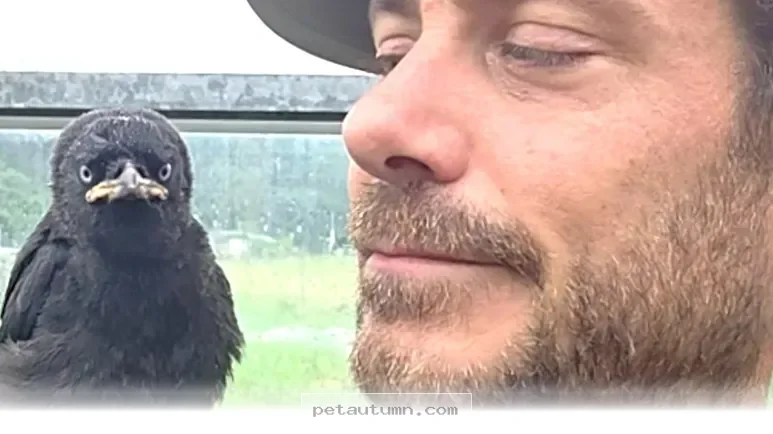
There is something truly magical about the bond between humans and the natural world. When a tiny, orphaned bird finds its way into your care, the connection that forms is unlike any other experience you might have with wildlife.
Most people assume that once a bird is released back into the wild, the relationship ends forever. However, some heartwarming stories remind us that these intelligent creatures often remember the kindness they received during their most vulnerable moments.
Key Takeaways
- Wildlife rehabilitation requires specialized knowledge, so always consult local experts if you find an injured or orphaned bird.
- Birds are highly social animals that can form lasting memories of their caregivers.
- Releasing a bird does not necessarily mean losing your connection to them.
- Patience and consistency are vital when building trust with a wild animal that chooses to visit you.
Understanding Avian Bonding and Behavior
When you raise an orphaned bird, you are essentially acting as a surrogate parent. This process involves feeding, keeping them warm, and teaching them essential life skills before they return to the sky.
Even after they gain their independence, these birds often retain a sense of security associated with their human "parents." This behavior is not just about food, though a tasty snack certainly helps keep them coming back for more.
Steps to Welcome Visiting Wild Birds
- Maintain a Neutral Environment: Avoid handling the bird excessively, as this can cause unnecessary stress and hinder their natural wild instincts.
- Provide Consistent Feeders: Place bird-safe snacks in a specific, quiet spot in your yard to create a familiar "home base" for your feathered friend.
- Keep Your Distance: Let the bird come to you on their own terms. Respecting their boundaries ensures they remain comfortable returning to your space.
- Observe from Afar: Use binoculars or watch through a window to enjoy their visits without interfering with their natural behavior.
- Keep Domestic Pets Indoors: If you have cats or dogs, keep them inside during visiting hours to ensure the safety of your wild guest.
Comparing Care vs. Observation
Understanding the difference between active rehabilitation and simply observing wildlife is essential for both your safety and the health of the bird. The ASPCA provides helpful guidelines on how to handle interactions with local wildlife safely.
| Feature | Active Rehabilitation | Casual Observation |
|---|---|---|
| Contact Level | High (Feeding/Monitoring) | Low (Visual Only) |
| Time Commitment | Very High | Low |
| Risk Level | High (Disease/Injury) | Negligible |
Keeping Your Garden Bird-Friendly
If you hope to see your feathered friend regularly, you need to create an inviting habitat. A garden that offers food, water, and shelter will naturally attract many species, making it a wonderful sanctuary.
- Fresh Water: A clean birdbath is an absolute must-have for any backyard.
- Native Plants: These provide natural food sources like seeds and insects that birds prefer.
- Safe Shelter: Birdhouses or dense shrubs offer protection from predators and harsh weather.
- Safe Feeders: Use high-quality bird feeders that are cleaned regularly to prevent the spread of illness.
The Cornell Lab of Ornithology offers excellent resources on identifying the birds that visit your garden and how to best support them. By providing these simple resources, you make your home a reliable stop on their daily journey.
Safety Precautions for Your Household
While it is tempting to want to touch or cuddle a wild bird, you must remember that they are not domestic pets. Their needs are entirely different from those of a dog or cat.
- Avoid Handling: Wild birds can carry parasites or bacteria that are harmful to humans.
- Sanitation: If you provide food, keep the area clean to prevent mold and bacteria buildup.
- Observation Only: Encourage the bird to remain wild by minimizing physical contact.
- Educate Children: Teach your family members to watch quietly and avoid chasing the bird.
When you keep your interactions hands-off, you help the bird maintain the necessary survival skills they need in the wild. You can find more information on wildlife ethics through the American Veterinary Medical Association for general guidance on animal interactions.
The information on petautumn.com is for general informational purposes only and does not constitute veterinary advice. Pet health needs vary by breed, age, and individual condition. Always consult a licensed veterinarian before making decisions about your pet’s health, diet, or medical treatment. Pet Autumn is not affiliated with any veterinary organization, pet food manufacturer, or breeder.
Watching a bird you raised return to your home is a beautiful reminder of the impact humans can have on nature. It is a testament to the patience, care, and love that went into their early development.
Whether they stay for a minute or an hour, these visits are a gift. Keep your garden welcoming, stay respectful of their wild nature, and cherish these unique moments in your own backyard.
Cat care writer at petautumn.com. English Literature graduate (S.S) from Universitas Udayana. Covers cat breeds, behavior, nutrition, grooming, and health. Cat mom to Luna and Lina. Based in Austin, Texas.