Written by Kadek Darma
Walking through a crowded animal shelter can be an overwhelming experience. You often see dozens of hopeful faces pressing against kennel doors, each one waiting for a second chance at a happy life.
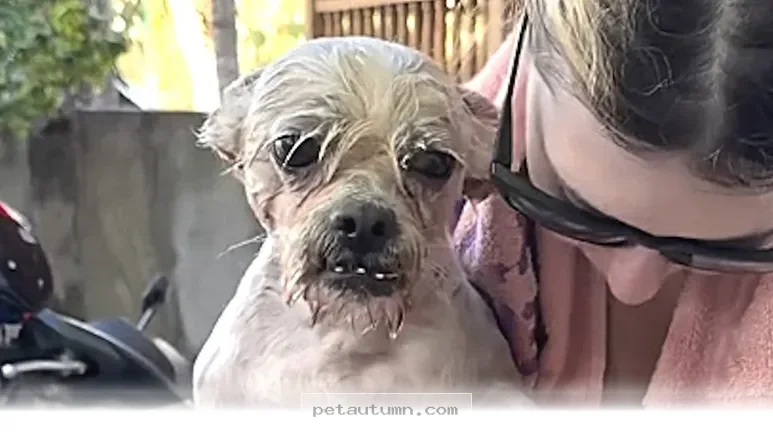
Sometimes, however, you might notice a dog that others simply pass by. Whether due to an unusual appearance, a crooked smile, or a shy demeanor, these "unadoptable" pets often wait the longest for a home.
Key Takeaways
- Appearance never dictates a dog’s capacity for love or loyalty.
- Choosing a "hard-to-adopt" dog often leads to a deeper, more rewarding bond.
- Patience and understanding are the primary tools for helping shelter dogs decompress.
- Every rescue dog deserves a chance to show their true personality in a home environment.
Why We Should Look Beyond First Impressions
When people browse for a new family member, they often have a specific "look" in mind. This natural bias can lead to incredible dogs being overlooked simply because they don’t fit a standard mold.
However, many long-term residents in shelters are actually the most appreciative companions you could ever find. Once they realize they are finally safe, their quirky personalities truly start to shine.
1. Identifying the "Unadoptable" Label
In many cases, a dog is labeled "unadoptable" not because of behavior, but because of aesthetics. You might see these traits frequently in shelters:
- Asymmetrical facial features or "underbites."
- Patches of missing fur due to past skin conditions.
- Scars from rough beginnings.
- Shyness or anxiety caused by the loud shelter environment.
2. The Benefits of Adopting a Unique Rescue
Adopting a dog that others might ignore is a beautiful act of kindness. You are not just saving a life; you are gaining a loyal friend who will likely be by your side through thick and thin.
| Benefit | Impact on Your Life |
|---|---|
| Deep Connection | The bond formed through patience is often unbreakable. |
| Unique Personality | Every rescue has a story and a character all their own. |
| Shelter Relief | You free up space for another dog in need of rescue. |
| Personal Growth | You learn the true meaning of empathy and unconditional love. |
How to Help a Rescue Dog Settle In
When you bring a rescue dog home, remember that they have likely been through a lot of change. They need time to recognize that your home is their forever sanctuary.
1. Create a Safe Space
Set up a quiet corner where your new companion can retreat when they feel overwhelmed. Use a comfortable bed, some soft blankets, and perhaps a familiar toy from the shelter.
2. Follow a Predictable Routine
Dogs thrive on consistency. By keeping feeding times, walks, and bedtime as regular as possible, you help your new friend feel secure and confident in their surroundings.
3. Build Trust Through Small Acts
You don’t need to force affection on a shy dog. Sometimes, just sitting quietly in the same room while you read or work is enough to build a foundation of trust.
4. Provide Proper Enrichment
Mental stimulation is vital for a dog’s well-being. According to the American Kennel Club, engaging your dog in light training or scent games can help build their confidence and strengthen your bond.
The information on petautumn.com is for general informational purposes only and does not constitute veterinary advice. Pet health needs vary by breed, age, and individual condition. Always consult a licensed veterinarian before making decisions about your pet’s health, diet, or medical treatment. Pet Autumn is not affiliated with any veterinary organization, pet food manufacturer, or breeder.
Choosing to adopt a dog that others have overlooked is one of the most selfless decisions you can make. It takes a big heart to see past the surface and recognize the beautiful soul waiting for a chance to belong.
If you are considering adding a new member to your family, keep an open mind when you visit the local shelter. You might just find that the "awkward" dog in the back kennel is the perfect match you have been searching for all along.
Dog care writer at petautumn.com. Visual Communication Design graduate (S.Ds) from Universitas Udayana. Covers dog breeds, behavior, training, and gear reviews. Dog dad to Meepo. Based in Austin, Texas.