Written by Kadek Darma
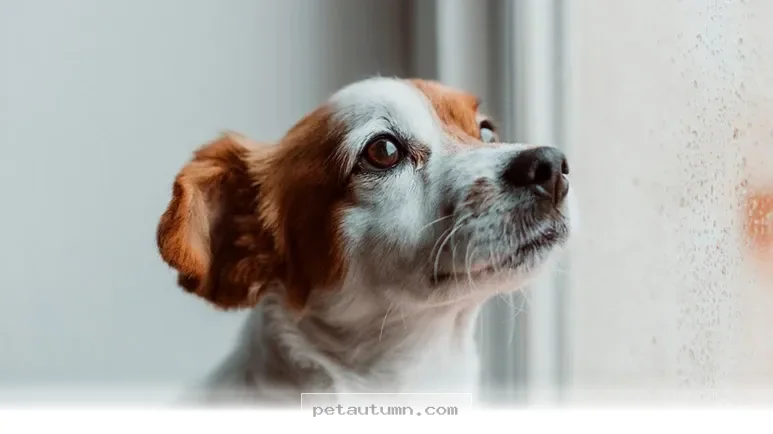
Watching your beloved dog pace, pant, or tremble as the sky darkens is heartbreaking. You naturally want to reach out and comfort them, but there is one common mistake that can actually increase your pet’s stress levels.
Many well-meaning owners accidentally reinforce fearful behavior by coddling their pets in a way that suggests there is a legitimate reason to be terrified. Instead, try this structured approach to help your dog feel secure and calm during the next weather event.
Key Takeaways
- Storm phobia often involves more than just noise, as dogs react to barometric pressure and static electricity.
- Never force your dog into a situation they find overwhelming; allow them to choose their own safe space.
- Consistency in your own demeanor helps your dog recognize that they are safe at home.
- Avoid punishing your dog for anxious behaviors, as this only adds to their internal panic.
Understanding the Storm-Phobic Dog
Thunderstorm phobia is a complex issue that often goes beyond simple fear of loud noises. While you might only notice the thunder, your dog is likely picking up on subtle environmental cues long before the first raindrop hits the ground.
These dogs are incredibly perceptive, sensing changes in air pressure and shifts in the atmosphere. Because they rely on you for guidance, they look to your reaction to determine if the environment is truly dangerous.
Common Signs of Storm Anxiety
- Physical Indicators: Excessive panting, drooling, or dilated pupils.
- Behavioral Changes: Pacing, destructive chewing, or trying to hide in confined spaces.
- Vocalizations: Whining, barking, or howling in response to wind and thunder.
- Seeking Grounds: Attempting to hide in bathtubs or near metal pipes to avoid static charges.
A Three-Step Strategy for Calm
Helping your dog requires a proactive mindset and a bit of preparation before the storm clouds gather. By creating a predictable routine, you can significantly reduce the intensity of their reaction over time.
1. Create a Dedicated Safe Haven
Designate an interior room with no windows where your dog can retreat when the weather turns. This space should be accessible at all times, not just during storms, so your dog learns to associate it with comfort and safety.
Consider adding a comfortable bed, some familiar toys, and a calming pheromone diffuser to the area. You want this spot to be a sanctuary where they can escape the jarring sights and sounds of the outside world.
2. Implement Positive Behavioral Interventions
When a storm begins, try to maintain a calm, normal demeanor yourself to show your dog that you are not worried. Engage them in a low-stress activity, such as a simple training game or a puzzle toy, to redirect their focus toward a positive outcome.
If your dog is already too stressed to eat or play, do not force the issue. Simply provide them with a quiet space and allow them to settle at their own pace without constant hovering.
3. Manage the Environment
Since static electricity often builds up during storms, you might consider using an anti-static coat or a grounding mat. These tools can help prevent the small, uncomfortable shocks that sometimes drive dogs to seek shelter in bathtubs or near sinks.
You can also use white noise, such as a fan or calming classical music, to mask the sharp cracks of thunder. This creates a consistent soundscape that prevents the sudden, jarring noises from triggering a fight-or-flight response.
| Strategy | Benefit | Caution |
|---|---|---|
| Safe Haven | Provides immediate security | Ensure the area is always available |
| White Noise | Masks thunder sounds | Keep volume at a moderate level |
| Grounding Mats | Reduces static shock | Monitor for chewing habits |
| Excessive Coddling | None | May reinforce anxious behavior |
Addressing the Risks of Medication
Many owners feel tempted to seek out sedatives when they see their dog in distress, but this should always be the final option. Relying on pharmaceuticals without first addressing the behavioral and environmental components often masks the problem rather than solving it.
If you believe your dog’s anxiety is severe enough to warrant medical intervention, you must speak with a professional. Only a veterinarian can determine if there are underlying health issues or if a specific intervention is safe for your dog’s unique needs.
The information on petautumn.com is for general informational purposes only and does not constitute veterinary advice. Pet health needs vary by breed, age, and individual condition. Always consult a licensed veterinarian before making decisions about your pet’s health, diet, or medical treatment. Pet Autumn is not affiliated with any veterinary organization, pet food manufacturer, or breeder.
Managing a storm-phobic dog takes patience, but your commitment makes a world of difference. By focusing on creating a safe, controlled environment, you can help your companion navigate these scary moments with much more confidence.
Remember that progress often happens in small increments. Stay consistent, stay calm, and always prioritize your dog’s sense of security over your own desire to comfort them through intense physical attention.

Dog care writer at petautumn.com. Visual Communication Design graduate (S.Ds) from Universitas Udayana. Covers dog breeds, behavior, training, and gear reviews. Dog dad to Meepo. Based in Austin, Texas.