Written by Kadek Darma
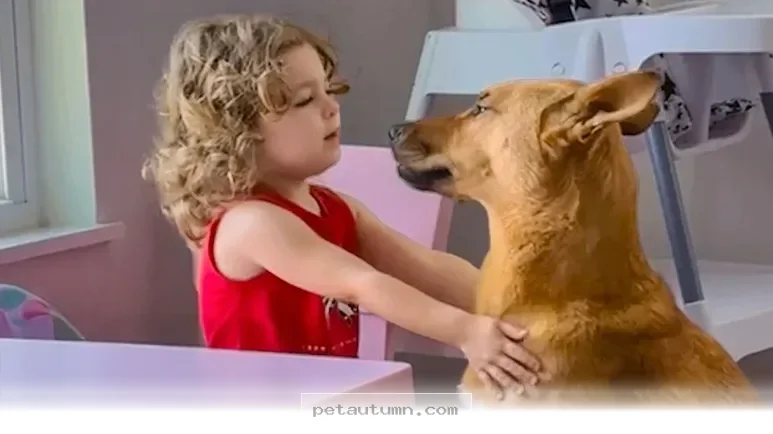
Every rescue dog has a story, but few are as poignant as Savannah’s journey. She spent her early years moving from home to shelter and back again, never quite finding the place where she truly belonged.
Four times, this sweet soul was returned through no fault of her own. Her story serves as a gentle reminder that patience and the right environment can transform a misunderstood dog into a family’s greatest blessing.
- Consistency and routine help rescue dogs feel secure in their new environment.
- Building a bond with a shelter pet takes time, empathy, and active listening.
- Many dogs labeled as “difficult” are simply struggling with the stress of transition.
- Positive reinforcement is the most effective way to build trust with a shy rescue.
The Power of a Second Chance
When a dog enters your home after a series of failed adoptions, they often carry invisible luggage. They might be nervous, reactive, or simply confused about their place in the household.
Understanding that their behavior is often a response to fear rather than personality is essential. You can help them settle in by creating a predictable daily schedule.
How to Help a Rescue Settle In
- Create a quiet, dedicated space where your dog can retreat when they feel overwhelmed.
- Establish a consistent routine for feeding, walks, and playtime to build a sense of security.
- Use positive reinforcement techniques to reward calm behavior rather than focusing on mistakes.
- Allow your dog to approach you at their own pace instead of forcing interaction.
- Practice patience during the first few weeks, as the decompression process takes time.
Understanding Behavioral Shifts
It is common to see a "honeymoon phase" followed by a period where a dog begins to test boundaries. This is actually a positive sign that they are starting to feel comfortable enough to express their true personality.
If you notice your new companion becoming more vocal or playful after a few weeks, celebrate it. This often means they have finally realized they are safe and home for good.
| Behavior | Interpretation | Suggested Action |
|---|---|---|
| Hiding under furniture | Seeking security | Give them space and quiet |
| Excessive panting | Stress or anxiety | Reduce activity and noise levels |
| Following you closely | Seeking attachment | Provide gentle reassurance |
| Playing with toys | Feeling relaxed | Encourage with positive praise |
Preparing Your Home for a Rescue
Before bringing your new family member home, it helps to be organized. Having the right supplies ready can make the transition much smoother for everyone involved.
- A sturdy, well-fitting harness for safe walks.
- High-quality, age-appropriate food to support their health.
- Comfortable bedding that gives them a soft place to sleep.
- A selection of durable chew toys to provide mental stimulation.
- An identification tag with your current contact information.
Building a Lasting Bond
The transformation from a nervous rescue to a confident family dog does not happen overnight. Much like the AKC guidelines for adopting a dog suggest, your approach should be grounded in empathy and realistic expectations.
You might find that your dog forms a special connection with a specific family member, much like Savannah did with her little girl. This bond is earned through quiet moments, shared walks, and the simple act of showing up for them every single day.
Supporting Your Dog’s Wellness
While behavioral training is vital, ensuring your dog is healthy is the foundation of their happiness. Regular checkups and monitoring their activity levels can help you catch subtle changes in behavior that might indicate an underlying issue.
Always observe their appetite, energy levels, and social habits to ensure they remain their vibrant selves. If you notice persistent lethargy or sudden changes in demeanor, it is best to consult a professional.
The information on petautumn.com is for general informational purposes only and does not constitute veterinary advice. Pet health needs vary by breed, age, and individual condition. Always consult a licensed veterinarian before making decisions about your pet’s health, diet, or medical treatment. Pet Autumn is not affiliated with any veterinary organization, pet food manufacturer, or breeder.
Savannah’s story proves that the right environment can unlock the potential in any dog. When you choose to look past a dog’s history and focus on their potential, you open your home to a lifetime of loyalty.
If you are considering adoption, remember that every dog is an individual. By providing them with stability and love, you are giving them the greatest gift of all: the chance to finally be themselves.

Dog care writer at petautumn.com. Visual Communication Design graduate (S.Ds) from Universitas Udayana. Covers dog breeds, behavior, training, and gear reviews. Dog dad to Meepo. Based in Austin, Texas.