Written by Kadek Darma
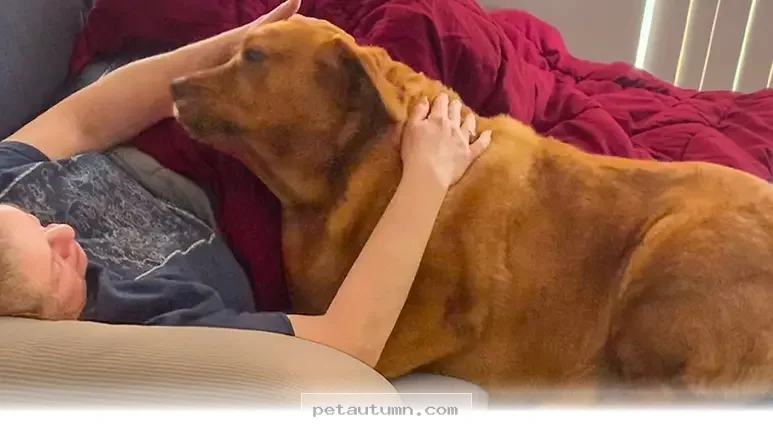
Walking into a shelter can be an emotional experience, especially when you see a dog that seems to have lost its spark. Lacy, a beautiful soul who spent her early years in a commercial breeding facility, was one of those dogs. By the time she arrived at her rescue, she weighed over 100 pounds and carried the heavy burden of neglect in her tired eyes.
Most people looked past her due to her size and age, assuming she was set in her ways. Then Jack walked in, saw her gentle nature, and realized that everyone deserves a second chance at happiness.
Key Takeaways
- Rescue dogs often face weight management challenges due to previous lack of activity.
- Patience and consistent routines are the foundation of a successful rescue transition.
- Consulting with a professional helps create safe, effective weight loss plans.
- Emotional support is just as vital as physical care for traumatized dogs.
The Journey Toward Health
When you adopt a senior or previously neglected dog, their health history is often a mystery. Many of these pups struggle with metabolic changes or joint discomfort, making standard exercise routines difficult to implement right away.
Following a slow and steady approach is the most compassionate way to help your dog regain their vitality. You should always prioritize quality time and bonding, as this builds the trust required for them to feel confident moving their bodies again.
1. Consult Your Veterinarian
Before starting any new exercise or diet regimen, schedule a comprehensive checkup with your vet. They can help you recognize potential health risks and determine the ideal weight for your dog’s specific frame.
2. Monitor Dietary Needs
Weight loss for dogs is not just about reducing portions but about choosing the right nutrition. Work with a professional to ensure your dog receives the necessary nutrients while maintaining a calorie deficit that supports safe shedding of excess weight.
3. Gentle Movement
Start with short, frequent walks rather than long, strenuous hikes. This allows your dog to build stamina without putting unnecessary strain on their joints or causing excessive fatigue.
| Activity Level | Benefits | Caution |
|---|---|---|
| Short Daily Walks | Joint mobility and mental stimulation | Avoid hot pavement or steep hills |
| Indoor Play | Safe, controlled environment | Watch for signs of overheating |
| High-Impact Jumping | None for heavy dogs | Risk of serious joint or ligament injury |
Recognizing Signs of Progress
You will likely notice subtle changes in your dog’s behavior as they begin to shed weight and feel better physically. They might show more interest in their surroundings or seek out play that they previously ignored.
If your dog is losing weight, keep a close watch on their energy levels and physical condition. It is helpful to track their progress through photos or regular weigh-ins to ensure they are on the right path.
- Increased willingness to engage in play sessions.
- More consistent breathing during moderate activity.
- Visible improvement in their coat and skin health.
- A more alert and curious demeanor during walks.
Building a New Life
Lacy’s story is a beautiful reminder that transformation is possible with enough love and dedicated care. Over several months, she shed over 35 pounds, eventually becoming a shadow of the lethargic dog she once was.
If you are considering adopting a rescue dog with special needs, remember that your patience is their most valuable resource. By providing a stable environment, you allow them to flourish into the companion they were always meant to be.
The information on petautumn.com is for general informational purposes only and does not constitute veterinary advice. Pet health needs vary by breed, age, and individual condition. Always consult a licensed veterinarian before making decisions about your pet’s health, diet, or medical treatment. Pet Autumn is not affiliated with any veterinary organization, pet food manufacturer, or breeder.
Taking on a rescue dog is a commitment, but the bond you form through their recovery is truly life-changing. Every step you take together strengthens that unique connection and gives them the dignity they deserve.
Whether you are helping a senior dog or a pup with a challenging past, your kindness is their bridge to a better future. Keep focusing on small, positive steps, and you will eventually see that bright spark return to your best friend’s eyes.

Cat care writer at petautumn.com. English Literature graduate (S.S) from Universitas Udayana. Covers cat breeds, behavior, nutrition, grooming, and health. Cat mom to Luna and Lina. Based in Austin, Texas.