Written by Kadek Darma
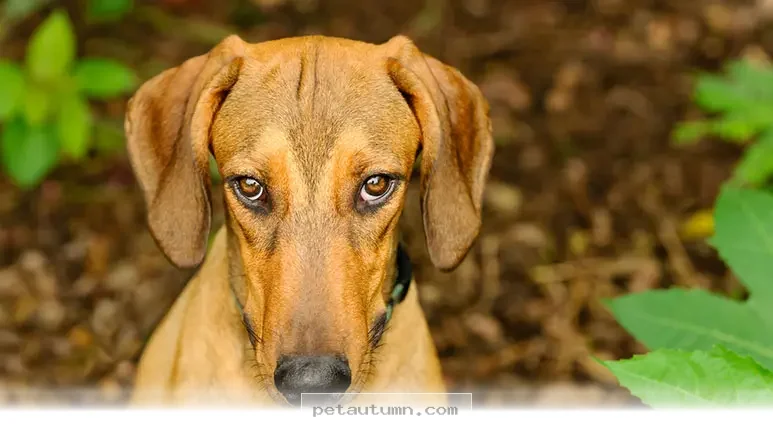
You walk through the front door after a long day, only to be greeted by the sight of shredded stuffing strewn across your living room rug. Your dog immediately slinks toward you, head tucked low, eyes avoiding your gaze, and ears pinned back against their skull.
It feels like an obvious confession of wrongdoing, but this classic display is rarely about an internal sense of remorse. Instead, your pup is reacting to your energy and attempting to navigate a social situation they perceive as tense.
Key Takeaways
- The "guilty look" is a set of appeasement behaviors intended to de-escalate potential conflict with you.
- Research shows dogs display these signs based on their owner’s reaction rather than their own past actions.
- True guilt is a complex, self-conscious emotion that requires a level of moral reflection not proven in dogs.
- Punishing a dog for a past mess is ineffective because they cannot connect the scolding to an action from earlier in the day.
- Managing your environment and focusing on positive reinforcement are the most effective ways to prevent household accidents.
Understanding the Canine "Guilty" Look
We often project our own human emotions onto our pets, a habit known as anthropomorphism. While it is easy to assume your dog is saying "I’m sorry," they are actually communicating something entirely different.
When your dog shows these signs, they are using ancient, instinctual social signals to tell you they mean no harm. They are essentially asking you to calm down and keep the peace.
1. The Science Behind the Expression
In 2009, a landmark study conducted by Dr. Alexandra Horowitz revealed that the "guilty look" is a response to human behavior. In the study, dogs displayed these submissive gestures even when they were completely innocent, provided their owners acted as though they were guilty.
This proves that the dog is reacting to your body language and tone of voice rather than reflecting on a broken rule. If you walk in looking angry, your dog picks up on that stress and offers appeasement signals to help lower the tension.
2. Why Punishment Fails
Many pet parents believe that scolding a dog after finding a mess teaches them a lesson about household rules. Unfortunately, dogs live almost entirely in the present moment, meaning they cannot connect your current frustration with an action they took an hour ago.
When you punish a dog for a past event, they do not learn to stop the behavior; they only learn that you are someone who can become unpredictable or scary. This can actually lead to increased anxiety, which often results in more accidents or destructive behavior.
3. Effective Strategies for Better Behavior
Instead of focusing on after-the-fact discipline, shift your energy toward management and positive reinforcement. Here are a few ways to handle these moments:
- Stay Neutral: When you find a mess, clean it up quietly without scolding your dog. Your calm demeanor prevents unnecessary stress.
- Management First: If your dog frequently gets into trouble, use baby gates or crates to limit their access to sensitive areas while you are away.
- Catch Them in the Act: If you see your dog chewing on something they shouldn’t, immediately redirect them to an appropriate toy.
- Reward the Good: Focus on rewarding the behaviors you want to see, such as chewing on a bone or resting quietly on their bed.
Comparing Common Misinterpretations
| Human Perception | Canine Reality |
|---|---|
| My dog feels bad for breaking the rule. | My dog is performing appeasement signals to avoid conflict. |
| They know they did something wrong. | They are reading my angry body language. |
| Scolding will teach them to stop. | Scolding creates confusion and anxiety. |
Recognizing Appeasement Signals
If you want to understand your dog better, start looking for these common body language cues. They are your dog’s way of asking for a more peaceful environment.
- Averted Gaze: Looking away to avoid direct eye contact.
- Whale Eye: Showing the whites of the eyes, often a sign of stress.
- Lip Licking: A common way for dogs to self-soothe when feeling nervous.
- Yawning: A "displacement" behavior used to release tension.
- Tucked Tail: A sign of submission or fear.
The information on petautumn.com is for general informational purposes only and does not constitute veterinary advice. Pet health needs vary by breed, age, and individual condition. Always consult a licensed veterinarian before making decisions about your pet’s health, diet, or medical treatment. Pet Autumn is not affiliated with any veterinary organization, pet food manufacturer, or breeder.
Building a stronger bond with your dog comes from understanding their unique way of communicating. By moving away from the idea of "guilt," you can create a more trusting and relaxed atmosphere in your home.
Remember that your dog is always watching you, waiting for cues on how to act. When you choose patience and guidance over frustration, you help your pup feel more secure and confident every single day.

Dog care writer at petautumn.com. Visual Communication Design graduate (S.Ds) from Universitas Udayana. Covers dog breeds, behavior, training, and gear reviews. Dog dad to Meepo. Based in Austin, Texas.