Written by Kadek Darma
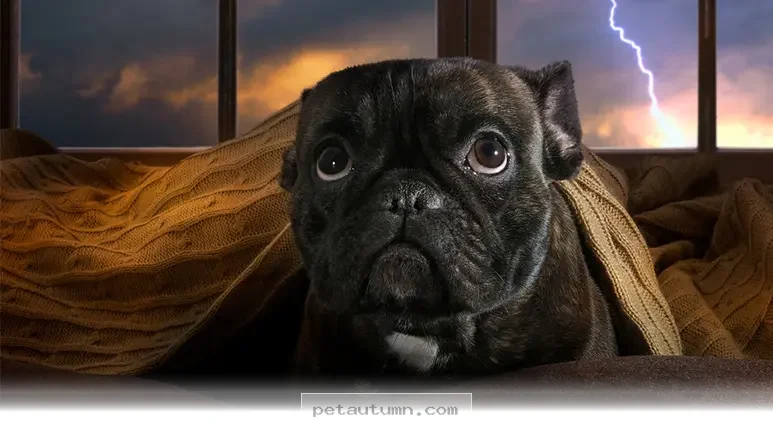
If your usually cheerful pup begins trembling and pacing the moment the sky turns gray, you are likely witnessing a classic case of storm phobia. It is heart-wrenching to watch your best friend suffer, but understanding the triggers can help you provide the comfort they need.
Many pet owners assume their dog is simply reacting to loud bangs, but the reality is much more complex. By recognizing the physical and environmental cues your dog is experiencing, you can better manage their environment and reduce their stress levels during the next big weather event.
Key Takeaways
- Storm anxiety affects a significant percentage of dogs, and it often intensifies over time if left unmanaged.
- Dogs sense more than just noise; they perceive barometric pressure shifts and static electricity buildup.
- Early warning signs include yawning, lip-licking, and pinned-back ears long before the thunder actually starts.
- Creating a secure, den-like environment can provide a much-needed sense of safety for a panicked pet.
- Always consult your veterinarian if your dog develops a sudden, unexplained fear of storms to rule out underlying medical issues.
Why Thunderstorms Trigger Such Intense Fear
The loud rumble of thunder is just one piece of the puzzle, as dogs possess senses far superior to our own. Because their hearing is incredibly acute, they can often detect the low-frequency vibrations of a distant storm long before you notice any change in the weather.
Beyond sound, your dog may be reacting to a drop in barometric pressure that accompanies incoming storms. This atmospheric shift can be physically unsettling for a dog, serving as a biological alarm bell that signals danger is on the horizon.
1. The Role of Static Electricity
Many dogs experience discomfort due to the buildup of static electricity in their fur during a storm. As the air becomes charged, your dog may feel small, stinging shocks when they brush against metal objects or even when you pet them.
This sensation can be quite startling, which is why you might find your dog hiding in the bathtub or near plumbing. These areas are often grounded, helping to dissipate the static charge and providing a temporary reprieve from that prickly, uncomfortable feeling.
2. Recognizing the Subtle Warning Signs
While full-blown panic—like frantic running or destructive chewing—is easy to spot, the early indicators of distress are much more subtle. Paying close attention to your dog’s body language allows you to intervene before their anxiety peaks.
- Early Physical Indicators:
- Frequent, repetitive yawning while calm.
- Excessive lip-licking or flicking of the tongue.
- Pinned-back ears that remain flat against the skull.
- A tucked tail or a low, crouched posture.
- Dilated pupils or an intense, wide-eyed stare.
How to Help Your Dog Feel Secure
If you know a storm is approaching, you can take proactive steps to help your dog manage their fear. The goal is to create a predictable, safe environment where they feel protected from the chaotic elements outside.
1. Create a Calming Den
Set up a quiet, comfortable space where your dog can retreat, such as a crate covered with a blanket or a small, interior room. Adding their favorite soft bedding and a worn piece of your clothing can provide a comforting scent that helps them settle down.
2. Mask the Sound
Use a white noise machine, a fan, or soft music to help dampen the jarring sound of thunder. By creating a consistent background hum, you can make the sudden, booming cracks of a storm feel less intrusive and startling.
3. Manage the Static
If your dog is sensitive to static, you can try rubbing them with an anti-static dryer sheet or using a damp towel to help neutralize the charge on their coat. Always ensure these products are unscented and pet-safe to avoid any respiratory irritation.
Comparing Common Management Strategies
| Strategy | Effectiveness | Best For |
|---|---|---|
| White Noise | High | Mild to moderate noise sensitivity |
| Safe Den Space | Medium | Dogs that seek out hiding spots |
| Forced Exposure | Very Low | Avoid this—it increases trauma |
When to Seek Professional Guidance
It is important to understand that a sudden onset of storm fear in an older dog can sometimes indicate an underlying health issue. If your pet has never been afraid of storms but starts exhibiting symptoms, schedule a checkup with your veterinarian.
The information on petautumn.com is for general informational purposes only and does not constitute veterinary advice. Pet health needs vary by breed, age, and individual condition. Always consult a licensed veterinarian before making decisions about your pet’s health, diet, or medical treatment. Pet Autumn is not affiliated with any veterinary organization, pet food manufacturer, or breeder.
Your veterinarian can help determine if the anxiety is behavioral or if there is a medical component that needs to be addressed. They can also offer guidance on potential training exercises or behavioral resources to help your dog build confidence.
Be patient with your companion as you navigate these scary moments together. With a calm demeanor and a few simple environmental adjustments, you can help your dog find peace even when the skies are at their loudest.

Cat care writer at petautumn.com. English Literature graduate (S.S) from Universitas Udayana. Covers cat breeds, behavior, nutrition, grooming, and health. Cat mom to Luna and Lina. Based in Austin, Texas.