Written by Kadek Darma
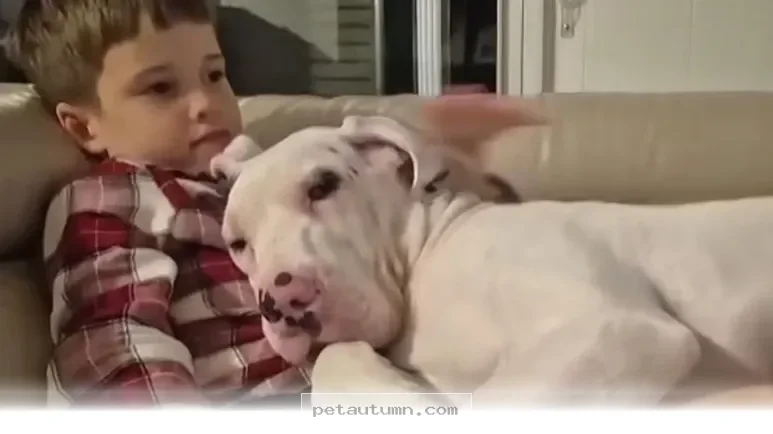
Have you ever witnessed a connection so profound that it seems to bypass the need for vocal cues or traditional training? Many of us believe that verbal commands are the only way to communicate with our canine companions, but the story of Timmy and Ezra proves otherwise.
Timmy, a dog who lives with hearing loss, and his companion, Ezra, share a silent language built on intuition, trust, and rhythmic physical cues. Watching them interact is a beautiful reminder that our pets are far more perceptive than we often give them credit for.
Key Takeaways
- Deaf dogs rely on body language, vibration, and visual hand signals to navigate their world and bond with their owners.
- Building a relationship without sound requires consistent, positive reinforcement through touch and sight.
- Patience is the foundation of training a pet that cannot hear your voice.
- Establishing a secure, predictable environment helps minimize anxiety for pets with sensory differences.
Understanding the Silent Bond
When you live with a pet that has unique sensory needs, you quickly learn that your body language becomes your primary voice. You might notice that your pet watches your posture, your facial expressions, and your hand gestures with intense focus.
This heightened awareness is not a deficit but rather a different way of experiencing the connection you share. By learning to communicate through clear, repetitive visual cues, you can build a bridge of understanding that is just as strong as any spoken command.
1. The Power of Hand Signals
Teaching your dog to recognize hand signals is remarkably similar to traditional training, just without the verbal component. You simply replace the word with a distinct, consistent physical gesture.
For example, a flat palm raised toward the dog can mean "stay," while a sweeping motion toward your chest invites them to "come." Consistency remains the secret ingredient here, as your pet needs to associate the specific movement with the desired outcome every single time.
2. Utilizing Vibration and Touch
While visual cues are essential, physical touch acts as a reassuring anchor for many dogs. A gentle tap on the shoulder or a specific pattern of vibrations on the floor can grab your pet’s attention when they are looking away.
Many owners find that using a vibrating collar—specifically designed for training purposes—can be a helpful tool for signaling. Always ensure your pet feels safe and comfortable with these physical prompts before incorporating them into your daily routine.
3. Creating a Predictable Environment
Dogs thrive on routine, but this is especially true for those who cannot hear potential stressors like a doorbell or a sudden noise. You can help your pet feel more secure by keeping your home layout consistent and establishing clear, daily rhythms.
By providing a stable environment, you allow your dog to focus on their primary mission: staying close to you. When they know what to expect, their confidence grows, and their ability to bond with you deepens significantly.
Comparing Communication Styles
| Feature | Verbal Training | Visual/Tactile Training |
|---|---|---|
| Primary Input | Auditory Cues | Visual & Physical Cues |
| Response Time | Fast (once learned) | Fast (with consistent signals) |
| Best For | Hearing dogs | Deaf or hearing-impaired dogs |
| Bonding Level | High | Exceptionally High |
| Environment | Any setting | Needs clear line of sight |
(Note: The table above reflects general training observations. Always consult with a certified trainer if you need specific guidance for your pet’s unique needs.)
Essential Tools for Your Journey
If you are just starting to work with a dog that has hearing loss, having the right supplies can make the process much smoother. Keeping your gear organized ensures you are always ready to reinforce good behavior during your daily activities.
- High-value treats: Keep these handy for instant rewards when your pet follows a hand signal.
- Visual clicker: Some trainers use a small flashlight or a laser pointer (used safely) to mark a correct action.
- Long training leads: These provide safety while you are working on recall and distance commands.
- A consistent set of hand signs: Keep a cheat sheet on your phone so everyone in the house uses the same signals.
The information on petautumn.com is for general informational purposes only and does not constitute veterinary advice. Pet health needs vary by breed, age, and individual condition. Always consult a licensed veterinarian before making decisions about your pet’s health, diet, or medical treatment. Pet Autumn is not affiliated with any veterinary organization, pet food manufacturer, or breeder.
Building a friendship that transcends words is one of the most rewarding experiences you can have as a pet owner. It requires you to be present, observant, and patient, which ultimately brings you closer to your dog than you ever thought possible.
As you spend time together, you will find that the lack of sound does not diminish the love between you. Instead, it creates a unique space where the simple act of being together becomes the most important conversation you will ever have.

Dog care writer at petautumn.com. Visual Communication Design graduate (S.Ds) from Universitas Udayana. Covers dog breeds, behavior, training, and gear reviews. Dog dad to Meepo. Based in Austin, Texas.