Written by Kadek Darma
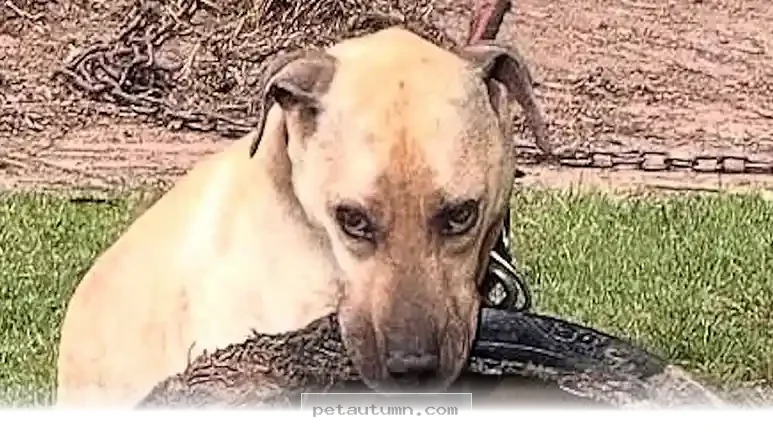
We have all heard the unfair stereotypes surrounding certain dog breeds. People often expect a monster, yet they end up finding a gentle, loving soul like Mitch.
Mitch spent years of his life chained up and exploited in the dark world of dog fighting. Despite that heavy history, he somehow kept his heart open and ready to trust humans again.
Key Takeaways
- Rescued dogs often carry invisible emotional scars from their past experiences.
- Patience and a stable environment are the most effective tools for rehabilitation.
- Stereotypes about breeds rarely reflect the true personality of an individual dog.
- Providing a safe, consistent routine helps build trust with traumatized animals.
The Reality of Rescuing Traumatized Dogs
When you bring home a dog with a difficult background, you might notice specific behaviors that signal their past stress. It is common for these pups to be shy or wary of sudden movements in their new home.
1. Recognizing Signs of Past Trauma
If you have recently adopted a rescue, keep an eye out for these common behaviors. Understanding these signs helps you adjust your expectations while you build a bond.
- Cowering when you raise your hand or walk by quickly.
- Extreme hesitation when entering a new room or space.
- Guarding behavior over food or specific comfort items.
- Sensitivity to loud noises or sudden, sharp sounds.
- Hiding in corners to feel more secure and protected.
Creating a Safe Haven for Your New Friend
Transitioning a dog from a life of neglect to a life of luxury takes time and intentional effort. You must create a space where your dog feels they can finally exhale and relax.
2. Tips for Building Trust
Helping a dog like Mitch requires a slow, steady approach that prioritizes their emotional safety. Follow these steps to ensure your new companion feels supported.
- Establish a Predictable Routine: Dogs thrive when they know exactly when to expect meals, walks, and quiet time.
- Provide a Safe Retreat: Give your dog a crate or a cozy corner where they can go if they feel overwhelmed.
- Offer Positive Reinforcement: Use gentle praise and treats to reward good behavior rather than focusing on correcting mistakes.
- Go at Their Pace: Never force your dog to interact with guests or other pets until they show you they are ready.
- Utilize Comfort Objects: Just like Mitch and his favorite tire, providing a soft toy can offer immense comfort to an anxious dog.
| Approach | Impact on Dog |
|---|---|
| Consistent Schedule | Reduces anxiety and builds confidence. |
| Positive Reinforcement | Encourages learning through trust. |
| Forced Socialization | Can trigger fear or defensive reactions. |
| Punishment-Based Training | Damages the bond and increases fear. |
Why Breed Labels Do Not Define Personality
It is easy to get caught up in labels, but the truth is that every dog is an individual. Like Mitch, many dogs labeled as aggressive are actually the most affectionate once they feel safe.
3. Understanding Breed Traits
While genetics play a role in physical traits, environmental factors and early experiences are the primary drivers of temperament. Focus on the dog in front of you, not the breed standard written in a book.
- Socialization: The experiences a puppy has in their first few months are crucial.
- Environment: A loving home can transform even the most fearful rescue.
- Individual History: Every dog has a unique story that shapes their current perspective.
- Owner Influence: Your patience and training style make a massive difference.
Building a life with a rescue dog is one of the most rewarding journeys you will ever take. You are not just giving them a home, but a second chance at happiness.
The information on petautumn.com is for general informational purposes only and does not constitute veterinary advice. Pet health needs vary by breed, age, and individual condition. Always consult a licensed veterinarian before making decisions about your pet’s health, diet, or medical treatment. Pet Autumn is not affiliated with any veterinary organization, pet food manufacturer, or breeder.
Watching Mitch carry his favorite rubber tire around is a beautiful reminder that joy can be found in the simplest things. He does not dwell on his past, and perhaps that is the best lesson we can take from him.
As you spend your days with your own pet, remember to cherish those small moments of connection. Whether it is a quiet nap on the couch or a playful walk in the park, these experiences define your life together.
Dog care writer at petautumn.com. Visual Communication Design graduate (S.Ds) from Universitas Udayana. Covers dog breeds, behavior, training, and gear reviews. Dog dad to Meepo. Based in Austin, Texas.