Written by Kadek Darma
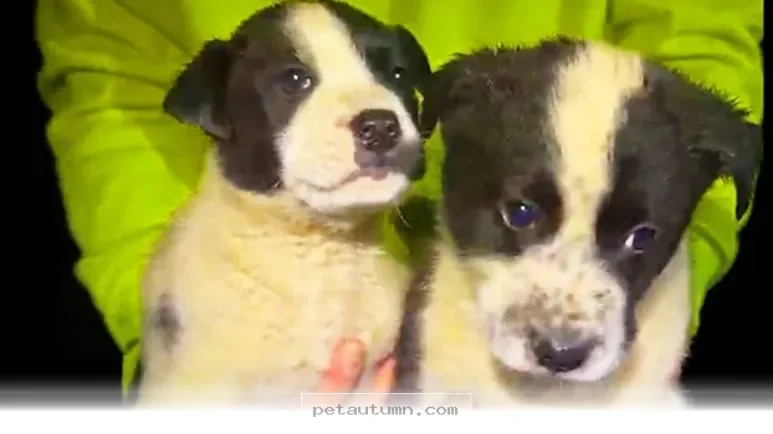
There is something truly heart-wrenching about the sight of abandoned puppies huddled together against the elements. When rescuers stumbled upon a group of shivering pups left to fend for themselves in the pouring rain, the immediate priority was to get those babies to safety and warmth.
However, the rescue mission was far from over once the little ones were tucked away in blankets. The team knew that a mother dog somewhere nearby was likely suffering, desperate, and searching for her lost litter.
Key Takeaways
- Rescuers often face difficult decisions when prioritizing which animals to help first during emergency field operations.
- Mother dogs frequently remain in the vicinity of their abandoned litters, waiting for their return.
- Proper rescue techniques involve scanning the area thoroughly to ensure no other animals are left behind in danger.
- Providing immediate medical attention and warmth is essential for the survival of vulnerable, exposed puppies.
- Supporting local shelters helps ensure that teams have the resources needed to conduct these life-saving, multi-stage missions.
The Importance of the Second Sweep
When you think about animal rescue, it is easy to focus on the immediate joy of saving a puppy. Yet, experienced rescuers understand that the story rarely ends with the first grab.
Returning to the site is not just a kind gesture; it is a vital part of the recovery process. A mother dog who has been separated from her nursing puppies is prone to extreme distress, which can lead to risky behaviors like running into traffic or hiding in dangerous, inaccessible areas.
1. Recognizing the Signs of a Searching Mother
A nursing mother will rarely stray far from the spot where she last saw her puppies. You might notice specific behaviors if you are ever in a position to help reunite a family:
- Pacing: The mother may walk back and forth along the edge of a road or field.
- Vocalizing: Look for soft, repetitive whining or howling that indicates she is calling out to her pups.
- Hyper-vigilance: She may seem unable to settle, constantly sniffing the air and looking toward the area where the puppies were dumped.
- Reluctance to forage: Even if she is starving, a mother dog’s instinct to protect and locate her young will often override her need for food.
A Massive Undertaking
As the rescuers returned to the original site, they quickly realized the scope of the situation was much larger than a single litter. It turned out that the area had become a hotspot for dumping, and they were not looking for just one mother.
They discovered several other nursing dogs who had been abandoned in the same vicinity. What could have been a simple rescue morphed into a complex operation requiring coordination with local veterinarians and foster networks.
Comparison of Shelter vs. Field Rescue
When managing a large rescue operation, teams must decide whether to provide immediate field care or move animals to a controlled facility.
| Scenario | Primary Benefit | Potential Caution |
|---|---|---|
| Field Stabilization | Reduces stress of transport | Risk of exposure to elements |
| Immediate Transport | Faster access to medical care | Can cause anxiety in nervous dogs |
| Foster Home Placement | Better socialization opportunities | Requires pre-screened, safe environment |
| Shelter Intake | Controlled medical monitoring | High risk of stress-induced illness |
Tips for Supporting Local Rescue Efforts
If you see a situation involving abandoned animals, your first instinct is likely to intervene. While your heart is in the right place, you must prioritize your safety and the safety of the animals involved.
1. Assess the Situation from a Distance
Never rush toward a dog that appears distressed, as she may be protective or frightened. Observe from your car or a safe distance to see if she has a collar or appears to be nursing.
2. Contact Professionals Immediately
Professional animal control or local rescue groups have the equipment to trap and transport nervous mothers safely. Provide them with specific GPS coordinates or clear landmarks to help them locate the animal quickly.
3. Provide Resources, Not Just Presence
If you cannot stay, consider leaving a bowl of water or high-scent food near the spot to keep the dog from wandering further. Ensure the food is placed in an area that is not near high-traffic roads to keep her safe while help arrives.
Essential Supplies for Rescue Kits
If you are a volunteer or frequently work with rescue organizations, having a basic kit in your car can make a world of difference. Keep these items on hand:
- Heavy-duty blankets: For warmth and to calm the animals during transport.
- Slip leashes: These are safer and more versatile for grabbing nervous, unsocialized dogs.
- High-value treats: Use smelly items like dried liver or cheese to lure a hesitant dog.
- Portable bowls: Collapsible silicone bowls are perfect for water or wet food.
- A spare crate: This provides a secure, den-like space that helps reduce anxiety for a scared mother.
For more information on how to support rescue operations in your community, you can visit resources provided by the ASPCA. Understanding how these organizations operate allows you to be a more effective advocate for animals in need.
The information on petautumn.com is for general informational purposes only and does not constitute veterinary advice. Pet health needs vary by breed, age, and individual condition. Always consult a licensed veterinarian before making decisions about your pet’s health, diet, or medical treatment. Pet Autumn is not affiliated with any veterinary organization, pet food manufacturer, or breeder.
The success of these rescue missions reminds us that compassion requires persistence. It is not enough to save the most visible victims, but rather to ensure that every life affected by such abandonment is accounted for and given a chance at a loving home.
By staying vigilant and working with local organizations, you contribute to a cycle of kindness that reaches far beyond a single rainy day. Thank you for caring about the welfare of our four-legged friends.

Cat care writer at petautumn.com. English Literature graduate (S.S) from Universitas Udayana. Covers cat breeds, behavior, nutrition, grooming, and health. Cat mom to Luna and Lina. Based in Austin, Texas.