Written by Kadek Darma
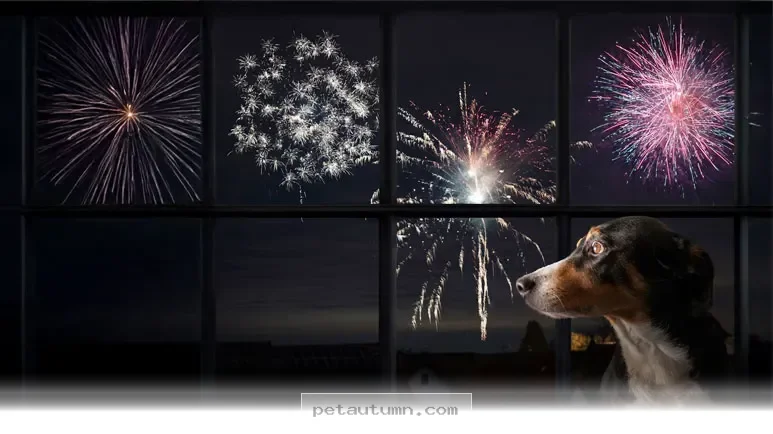
When the sky lights up this Fourth of July, you will want to make sure your furry pal stays calm and safe by your side. It is the perfect time to review your pet safety plan to ensure those booming fireworks do not turn your backyard celebration into a stressful ordeal.
For many, the holiday means barbecues and fun gatherings, but for your dog, it can feel like the scariest night of the year. Loud noises, flashing lights, and unfamiliar crowds often trigger deep anxiety in our canine companions.
Key Takeaways
- Fireworks often cause dogs to panic, leading them to hide, tremble, or bolt from their homes.
- Always double-check your dog’s ID tags and microchip information before the holiday begins.
- Create a dedicated "safe haven" in your home with familiar scents and calming background noise.
- Exercise your dog early in the day to help them burn off energy and feel more relaxed by evening.
- Never bring your dog to a fireworks show or loud public event, as the stress is rarely worth the outing.
Understanding Your Dog’s Fear of Fireworks
You might wonder why your dog reacts so strongly to the sudden bangs and whistles of the season. It helps to understand how your dog experiences the world, especially through their incredibly sensitive hearing.
Dogs can detect high-pitched sounds that are completely silent to the human ear. Because they hear these noises more intensely, a firework display is not just a loud nuisance; it is a physically overwhelming experience for them.
Why Dogs Panic
- Unpredictable Noises: The sudden, jarring booms trigger a natural "fight or flight" response in most animals.
- Lack of Understanding: Since dogs do not know where the noise comes from, they often view the environment as an active threat.
- Heightened Senses: Their superior hearing makes each blast feel much closer and louder than it does to you.
| Condition | Common Signs of Anxiety | Recommended Action |
|---|---|---|
| Mild Fear | Pacing, panting, seeking attention | Provide a safe, quiet space |
| Moderate Stress | Whining, hiding, refusing food | Use calming music or white noise |
| Severe Panic | Trembling, destructive behavior | Consult your veterinarian about long-term strategies |
1. Create a Secure Safe Haven
Your dog needs a place to retreat where they feel shielded from the chaos outside. This could be a walk-in closet, a bathroom, or a quiet room in the center of your home.
Fill this space with cozy bedding, their favorite chew toys, and a piece of your clothing that carries your scent. You can also use a white noise machine or turn on a fan to help drown out the startling pops of fireworks.
2. Prepare for the Evening Early
A tired dog is often a more relaxed dog when the evening festivities begin. Try to engage in a long, vigorous play session or a brisk walk early in the day.
This physical activity helps burn off excess energy and naturally lowers their stress levels. However, be sure to finish all outdoor activities well before dusk to avoid being caught outside when the fireworks start.
3. Prioritize Identification
The Fourth of July sees a higher rate of lost pets than almost any other day of the year. Even if you believe your yard is secure, a panicked dog can jump fences or find gaps they would usually ignore.
Ensure your dog is wearing a collar with an up-to-date ID tag. More importantly, confirm that your microchip registry contact information is current so you can be reached if someone finds your pet.
4. Skip the Fireworks Display
While it is tempting to bring your pup along to community events, it is best to leave them home. The combination of massive crowds, bright flashes, and loud explosions is a recipe for extreme distress.
Your dog will be much happier and safer in a controlled, familiar indoor environment. If you must leave them, consider hiring a pet sitter or having a family member stay behind to keep them company.
5. Manage the Aftermath
The stress of the holiday does not always end the moment the last firework fades. Keep an eye on your dog during the following morning for any lingering signs of anxiety or unusual behavior.
Keep your daily routine as normal as possible to help your dog feel grounded. If you notice your dog is having a difficult time, be patient and offer plenty of gentle reassurance.
The information on petautumn.com is for general informational purposes only and does not constitute veterinary advice. Pet health needs vary by breed, age, and individual condition. Always consult a licensed veterinarian before making decisions about your pet’s health, diet, or medical treatment. Pet Autumn is not affiliated with any veterinary organization, pet food manufacturer, or breeder.
Planning ahead is the best way to ensure your dog remains calm during the noisy summer holidays. By creating a secure environment and staying mindful of their needs, you can turn a stressful night into a quiet, cozy evening at home.
Remember that your presence is the greatest comfort you can offer. Spend the evening relaxing with your pet, and you will both be ready to enjoy the sunshine when the next morning arrives.
Cat care writer at petautumn.com. English Literature graduate (S.S) from Universitas Udayana. Covers cat breeds, behavior, nutrition, grooming, and health. Cat mom to Luna and Lina. Based in Austin, Texas.