Written by Kadek Darma
Adding lush greenery to your living space brings a sense of calm and natural beauty to your home. Beyond the aesthetic appeal, many indoor plants act as natural air purifiers by filtering out common household toxins.
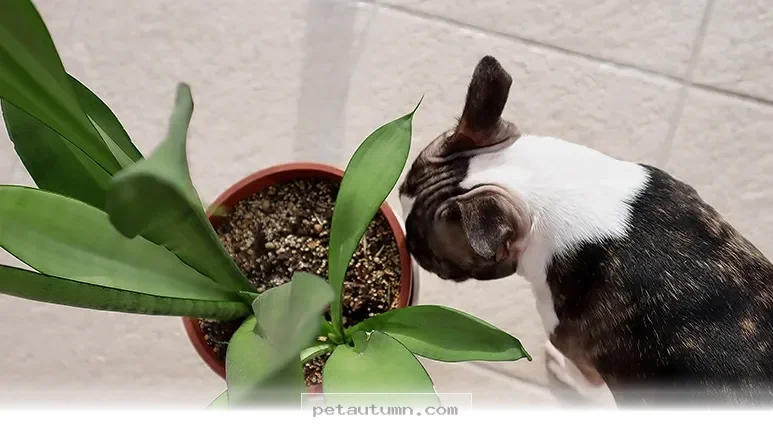
However, your enthusiasm for interior design should always prioritize the safety of your four-legged family members. Many popular houseplants contain compounds that can be hazardous if your curious pet decides to take a curious nibble.
Key Takeaways
- Common household plants like lilies and philodendrons can cause severe reactions in pets.
- Signs of plant poisoning often include drooling, lethargy, vomiting, and loss of appetite.
- Always keep toxic plants completely out of reach or replace them with pet-safe varieties.
- If you suspect your pet has ingested a toxic plant, contact your veterinarian or a pet poison helpline immediately.
Identifying Dangerous Houseplants
It is easy to overlook the potential risks of the plants you bring home from the nursery. While some species are harmless, others can cause significant distress or even life-threatening conditions for your cat or dog.
1. The Araceae Family
This large family includes popular favorites like the Pothos, Peace Lily, and Philodendron. These plants contain insoluble calcium oxalate crystals that cause immediate irritation upon contact.
- Symptoms: Intense burning of the mouth, excessive drooling, pawing at the face, and swollen lips.
- Risk Level: Moderate; usually causes localized pain rather than systemic organ failure.
2. Kalanchoe
Known for their beautiful, vibrant flowers, these succulents are unfortunately very dangerous for pets. They contain cardiac glycosides that can severely impact your pet’s cardiovascular system.
- Symptoms: Vomiting, abnormal heart rate, tremors, and in severe cases, seizures.
- Risk Level: High; immediate medical attention is required if ingestion occurs.
3. Corn Plant and Dragon Tree
These staples of home decor contain saponins, which are natural compounds that interfere with nutrient absorption. While less likely to cause a fatality, they can still make your pet feel quite ill.
- Symptoms: Dilated pupils, vomiting, diarrhea, and lethargy.
- Risk Level: Low to moderate; symptoms usually subside with supportive care.
4. English Shamrock
While these small, charming plants look harmless, they contain soluble calcium oxalates. These differ from the crystals found in philodendrons and can be much more dangerous to internal organs.
- Symptoms: Tremors, vomiting, and potential acute kidney failure.
- Risk Level: High; this is a medical emergency that requires rapid intervention.
5. Sago Palm
Though often kept outdoors, some people bring these miniature palms inside. Every part of the plant is toxic, especially the seeds, which contain cycasin.
- Symptoms: Bloody vomiting, jaundice, bruising, and liver failure.
- Risk Level: Critical; the prognosis is poor even with aggressive treatment.
| Plant Name | Primary Toxin | Risk Level |
|---|---|---|
| Peace Lily | Calcium Oxalate | Moderate |
| Kalanchoe | Cardiac Glycosides | High |
| Sago Palm | Cycasin | Critical |
| Pothos | Calcium Oxalate | Moderate |
| English Shamrock | Soluble Oxalates | High |
Understanding how these plants affect your pet’s system helps you make informed choices about your home environment.
Steps to Keep Your Pet Safe
If you are a plant lover with pets, you do not have to give up your hobby entirely. You just need to be more strategic about how you organize your space and choose your greenery.
1. Research Before You Buy
Before bringing any new plant home, check its safety status using reputable resources like the ASPCA toxic plant list. If a plant is on the toxic list, it is best to skip it and choose a safer alternative like a Spider Plant or Boston Fern.
2. Elevate Your Greenery
For plants that are mildly toxic but still highly desired, keep them well out of reach. Use sturdy, high-hanging planters or shelves that your cat cannot jump to and your dog cannot nudge over.
3. Provide Safe Alternatives
Cats often chew on plants because they are seeking fiber or roughage. Provide a pot of safe, dedicated wheatgrass or oat grass specifically for your cat to nibble on.
4. Observe Pet Behavior
Keep a close eye on how your pets interact with your current plants. If you notice a specific pet showing interest in a particular pot, move that plant to a room the pet cannot access.
5. Create a Safety Plan
Keep the phone number for your veterinarian and an emergency animal clinic saved in your contacts. Being prepared allows you to act quickly if an accidental ingestion occurs, potentially saving your pet from prolonged suffering.
The information on petautumn.com is for general informational purposes only and does not constitute veterinary advice. Pet health needs vary by breed, age, and individual condition. Always consult a licensed veterinarian before making decisions about your pet’s health, diet, or medical treatment. Pet Autumn is not affiliated with any veterinary organization, pet food manufacturer, or breeder.
Creating a pet-friendly home does not mean you have to live in a plant-free zone. By selecting non-toxic varieties and being mindful of where you place your pots, you can enjoy a lush, beautiful home while keeping your furry friends happy and healthy.
If you ever feel uncertain about a plant you have already brought home, it is always better to err on the side of caution. Remove the plant from the area or rehome it to a friend who does not have pets to ensure your home remains a safe sanctuary.

Dog care writer at petautumn.com. Visual Communication Design graduate (S.Ds) from Universitas Udayana. Covers dog breeds, behavior, training, and gear reviews. Dog dad to Meepo. Based in Austin, Texas.