Written by Kadek Darma
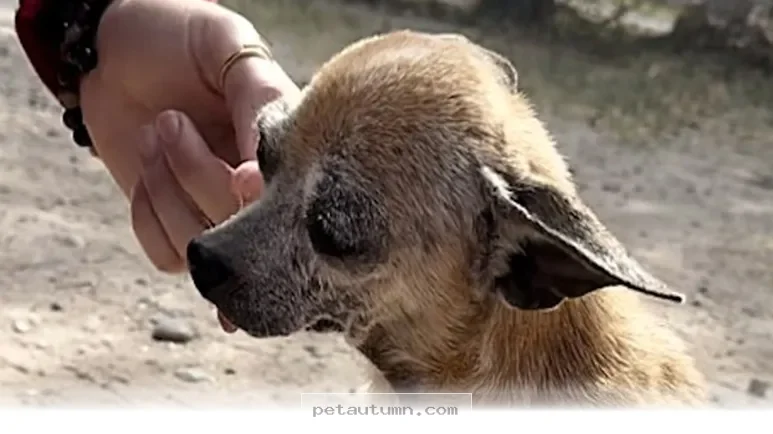
There is something truly profound about seeing a senior dog find a second chance at life. When a dog who has known only neglect or abandonment finally learns what it means to be safe, the transformation is nothing short of miraculous.
Many senior dogs arrive at shelters or foster homes in fragile health, carrying the weight of their past experiences. Yet, with patience, medical care, and a warm bed, these resilient souls often bloom into the most loyal and joyful companions you could ever hope to meet.
Key Takeaways
- Senior dogs often have underlying health issues that require consistent, long-term management.
- Patience is your most important tool when helping a rescued senior dog adjust to a new home.
- Routine veterinary checkups are essential for monitoring conditions like heart health or arthritis.
- Creating a calm, predictable environment helps reduce anxiety in older pets who have experienced trauma.
Understanding the Needs of Senior Rescues
Bringing a senior dog into your life is a deeply rewarding experience. However, it requires a different approach than adopting a puppy, as you are likely inheriting a history of both physical and emotional scars.
Taking the time to understand their specific needs allows you to build a bridge of trust. You might notice they are slower to trust or hesitant in new environments, but their capacity for love remains undiminished by their age.
Common Signs of Stress or Health Concerns
When you first bring home an older dog, watch for these physical or behavioral indicators that might suggest they need extra support:
- Excessive panting or pacing, which can indicate discomfort or anxiety.
- Reduced appetite or sudden changes in their interest in food.
- Stiffness or difficulty when standing up after a nap.
- Frequent hiding or an avoidance of eye contact.
- Increased thirst or unusual bathroom habits.
Managing Chronic Health Conditions
Many senior dogs are surrendered due to health issues that their previous owners could no longer manage. Whether it is heart disease, kidney concerns, or joint pain, your primary goal is to prioritize their comfort and quality of life.
1. Establish a Consistent Routine
Senior dogs thrive on predictability because it helps them feel secure in their new surroundings. Keep meal times, walks, and bedtime consistent to help them navigate their day without unnecessary stress.
2. Create an Accessible Environment
Joint pain is common in older dogs, so think about their daily mobility. You can use rugs on slippery floors, ramps for getting into cars, and orthopedic beds to ensure they can rest their aching bodies comfortably.
3. Monitor Their Energy Levels
You will quickly recognize your dog’s limits as you spend time together. While they may still enjoy gentle walks, pay close attention to signs of fatigue and allow them to set the pace for your daily outings.
Comparison of Care for Senior vs. Younger Dogs
Understanding the differences in care requirements helps you prepare your home for a senior companion.
| Care Aspect | Senior Dog Needs | Puppy Needs |
|---|---|---|
| Exercise | Gentle, short walks | Frequent, high-energy play |
| Vet Visits | Every 6 months | Monthly during initial stages |
| Diet | Specific senior formulas | Growth-focused puppy food |
| Training | Focus on basic manners | Potty and obedience training |
Building a Bond Through Compassion
Transitioning to a new life takes time, and you should be prepared for a period of adjustment. You are providing them with a safety net they likely never had, and your presence is the most important part of their healing.
Consistency is key when helping a dog feel at home. Even a small gesture, like a quiet pat or speaking in a gentle tone, helps them recognize that they are finally safe with you.
Essential Supplies for Your Senior Dog
- Orthopedic foam bed for joint support.
- Raised food and water bowls to reduce neck strain.
- Non-slip socks or floor runners for hardwood surfaces.
- Soft, easily digestible training treats for positive reinforcement.
- A sturdy harness to help you assist them during walks.
You can find more detailed information on senior pet wellness through resources like the American Kennel Club or PetMD. These organizations provide excellent guides on recognizing early signs of illness in aging dogs.
The information on petautumn.com is for general informational purposes only and does not constitute veterinary advice. Pet health needs vary by breed, age, and individual condition. Always consult a licensed veterinarian before making decisions about your pet’s health, diet, or medical treatment. Pet Autumn is not affiliated with any veterinary organization, pet food manufacturer, or breeder.
Watching a senior dog transition from a state of neglect to a life of comfort is a powerful reminder of how resilient they truly are. Your home becomes their sanctuary, and every tail wag is a testament to the bond you are building together.
Every day you spend with your senior companion is a gift. Focus on the small joys, like a soft sigh of contentment while they nap or the way they greet you at the door, and you will find that the love they give back is immeasurable.

Dog care writer at petautumn.com. Visual Communication Design graduate (S.Ds) from Universitas Udayana. Covers dog breeds, behavior, training, and gear reviews. Dog dad to Meepo. Based in Austin, Texas.