Written by Kadek Darma
It is truly heartbreaking to see more of the dreaded "C" word affecting our beloved pets today. Even young animals are receiving these difficult diagnoses, which often leaves pet parents feeling confused and searching for answers.
Understanding what to look for is your first line of defense in protecting your companion. Proactively managing your pet’s lifestyle can also help you reduce the risk of losing them to illness at a young age.
Key Takeaways
- Neoplasia describes the uncontrolled growth of cells, which can be benign or malignant.
- Early detection significantly improves the chances of successful supportive care and quality of life.
- Common warning signs include unexplained lumps, non-healing sores, and sudden changes in appetite.
- You can lower risk factors by maintaining a lean body weight and reducing chemical exposure.
- Always consult your veterinarian if you notice any persistent changes in your pet’s behavior.
Recognizing Common Pet Neoplasms
When we talk about cancer in our animal companions, it helps to clear up some medical terminology. Neoplasia refers to the uncontrolled, abnormal growth of cells or tissues within the body.
While some growths are benign and remain localized, others are malignant and can spread to different organs. You should always treat any suspicious mass as a potential health concern that warrants a professional checkup.
1. Mammary Gland Tumors
Mammary gland cancer is a significant concern for both female dogs and cats. It remains one of the most common tumor types identified in clinical settings for aging female pets.
2. Lymphoma
Lymphoma is a cancer affecting the lymph system, which is a vital part of the immune system. It is particularly common in cats, often manifesting in the gastrointestinal tract.
3. Mast Cell Tumors
These are the most frequent form of skin cancer found in our furry friends. While they appear often in dogs, they can also affect cats, sometimes occurring internally with more serious consequences.
4. Osteosarcoma
This is a highly aggressive form of bone cancer that frequently strikes large or giant dog breeds. It typically attacks the long bones of the legs and requires immediate and intensive veterinary attention.
10 Common Symptoms to Monitor
Because tumors can develop almost anywhere in the body, the signs of illness are often subtle and varied. You are the person who knows your pet best, so trust your instincts if something seems "off."
Here are ten clinical signs that indicate it is time to schedule a veterinary exam:
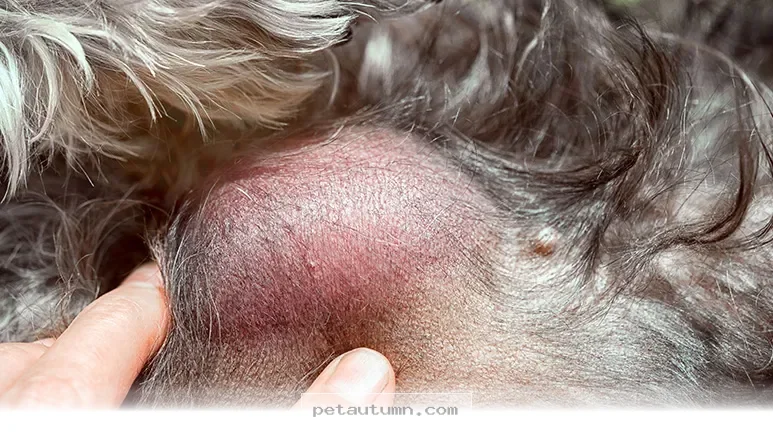
- Unusual swellings or lumps that continue to grow or refuse to disappear.
- Persistent sores that fail to heal despite basic home care.
- Unexplained weight loss that occurs even when your pet is eating normally.
- A noticeable loss of appetite or a sudden pickiness with food.
- Abnormal bleeding or discharge from any body opening.
- Difficulty eating, swallowing, or chewing food properly.
- An exercise intolerance or a sudden, unexplained lack of energy.
- Persistent lameness or stiffness that does not resolve with rest.
- Difficulty breathing or a chronic cough that is not related to a cold.
- Straining to urinate or defecate, which may indicate internal pressure.
| Condition | Primary Concern | Action Required |
|---|---|---|
| Benign Mass | Localized growth | Monitor closely |
| Non-healing Sore | Possible infection | Schedule vet visit |
| Rapid Weight Loss | Systemic illness | Immediate examination |
5 Ways to Reduce Risk Factors
While we cannot prevent every health issue, we can create an environment that supports long-term wellness. You have the power to make daily choices that contribute to your pet’s vitality.
1. Maintain a Healthy Weight
Obesity is a major contributor to inflammation in the body. Keeping your pet at a lean, healthy weight reduces the strain on their organs and immune system.
2. Choose Anti-inflammatory Nutrition
Focus on high-quality, whole-food diets that minimize systemic inflammation. You can find more guidance on optimal pet nutrition through your primary veterinarian.
3. Limit Environmental Toxins
Reduce your pet’s exposure to harsh lawn chemicals, pesticides, and cigarette smoke. These substances can accumulate in their systems and potentially increase long-term health risks.
4. Evaluate Vaccination Schedules
Work with your vet to create a tailored vaccination protocol rather than relying on blanket annual boosters. Avoid unnecessary procedures that may overstimulate the immune system.
5. Prioritize Regular Screenings
Early detection is the best tool you have. Consistent physical exams allow you to catch changes before they become unmanageable issues.
Transitioning to a lifestyle focused on these proactive measures can provide your pet with a stronger foundation for health.
The information on petautumn.com is for general informational purposes only and does not constitute veterinary advice. Pet health needs vary by breed, age, and individual condition. Always consult a licensed veterinarian before making decisions about your pet’s health, diet, or medical treatment. Pet Autumn is not affiliated with any veterinary organization, pet food manufacturer, or breeder.
Taking care of your pet is a rewarding journey that requires vigilance and love. By staying informed about the risks and symptoms associated with various health conditions, you are better prepared to advocate for your companion’s needs.
Always remember that your veterinarian is your most valuable partner in this process. Scheduling regular checkups ensures that you are doing everything possible to support your pet’s longevity and happiness.

Dog care writer at petautumn.com. Visual Communication Design graduate (S.Ds) from Universitas Udayana. Covers dog breeds, behavior, training, and gear reviews. Dog dad to Meepo. Based in Austin, Texas.