Written by Kadek Darma
Walking through the gates of a rescue sanctuary feels like stepping into a different world. It is a place where time slows down and the focus shifts entirely to the healing of broken spirits.
Every animal here carries a story etched into their behavior, yet they all share a remarkable capacity for forgiveness. You can see it in the way a shy dog finally wags his tail or how a fearful horse leans into a gentle touch.
Key Takeaways
- Rescued animals often require patience, consistency, and plenty of love to build trust.
- Sanctuaries provide vital support for animals that cannot be adopted due to trauma or special needs.
- Volunteering your time or donating resources makes a tangible difference in their daily care.
- Observing animal behavior helps you understand the long-term impact of positive human interaction.
The Journey of Healing
The transformation from a neglected animal to a thriving companion is nothing short of miraculous. When you witness a creature learn that they are safe, your perspective on the human-animal bond changes forever.
Rescued animals often exhibit specific behaviors as they process their past experiences. Understanding these signals is essential for any pet owner looking to support a rescue animal.
1. Common Signs of Past Trauma
- Avoiding direct eye contact or hiding in corners.
- Startling easily at loud noises or sudden movements.
- Resource guarding, such as protecting food or toys.
- Submissive behavior like cowering when approached.
Transitioning from a life of fear to a life of comfort requires a thoughtful approach from their human guardians.
Creating a Safe Haven
If you are planning to welcome a rescue into your home, you must prepare your space to be a calming environment. A quiet, dedicated area where your new friend can retreat is a perfect starting point.
| Stage of Adjustment | What to Expect | Recommended Action |
|---|---|---|
| First 48 Hours | Extreme shyness or hiding | Provide a quiet, private space |
| First Week | Testing boundaries and routine | Maintain a strict, predictable schedule |
| First Month | Personality starts to emerge | Use positive reinforcement training |
| Long-Term | Deepening of the bond | Consistent love and socialization |
Understanding Rescue Needs
Every animal arrives at a sanctuary with unique requirements based on their history and health. Providing proper nutrition, veterinary checkups, and mental enrichment is the foundation of their recovery.
According to the American Veterinary Medical Association, consistent veterinary care is the most effective way to ensure a long and happy life for any pet. You should always prioritize these essential aspects of animal welfare.
2. Tips for Supporting Rescues
- Be patient: Allow the animal to set the pace for interaction.
- Establish routine: Predictability reduces anxiety and helps them feel secure.
- Positive reinforcement: Use treats and praise to reward desired behaviors instead of punishment.
- Professional guidance: Work with trainers or behaviorists who specialize in rescue animals.
Some animals may never fully lose their shyness, and that is perfectly okay. Your role is to provide a life where they feel secure, regardless of their past.
The Power of Compassion
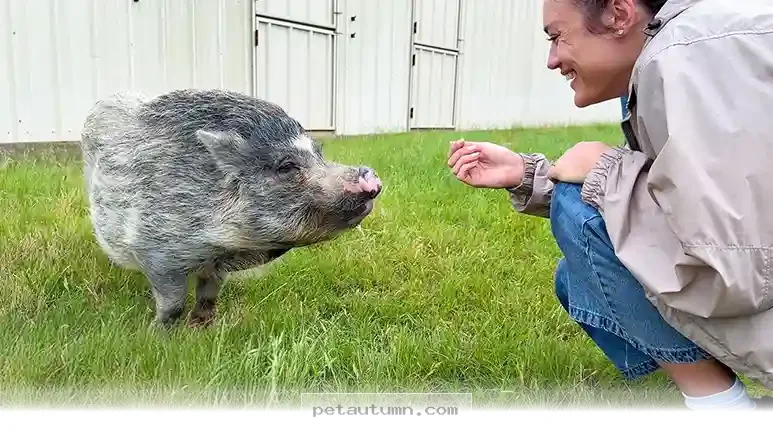
The dedication of sanctuary staff and volunteers is truly inspiring to watch. They work tirelessly to ensure that every individual, whether a pig, a horse, or a dog, feels valued and seen.
If you are feeling overwhelmed by the news, spending time helping at a local shelter is a wonderful remedy. You will find that helping them heal often helps us heal, too.
The information on petautumn.com is for general informational purposes only and does not constitute veterinary advice. Pet health needs vary by breed, age, and individual condition. Always consult a licensed veterinarian before making decisions about your pet’s health, diet, or medical treatment. Pet Autumn is not affiliated with any veterinary organization, pet food manufacturer, or breeder.
Witnessing these animals thrive is a testament to the resilience of life. It reminds us that no matter how difficult the past may have been, a brighter future is always possible with the right care.
Whether you decide to adopt, foster, or simply volunteer your time, your actions echo through the lives of these animals. You are part of a community that believes every single life is worth saving.

Cat care writer at petautumn.com. English Literature graduate (S.S) from Universitas Udayana. Covers cat breeds, behavior, nutrition, grooming, and health. Cat mom to Luna and Lina. Based in Austin, Texas.