Written by Kadek Darma
Many pet owners are always looking for healthy, fresh ways to spice up their companion’s daily routine. While your furry friend is a carnivore by nature, they can still benefit from the occasional addition of nutrient-dense, whole-food treats.
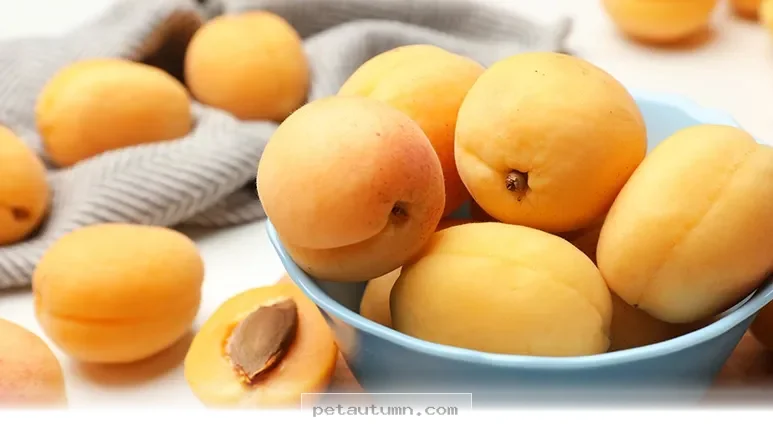
Apricots are a fantastic choice when you want to offer something sweet, tart, and packed with beneficial antioxidants. These small, golden fruits provide a refreshing crunch that many pets seem to genuinely enjoy during a warm afternoon.
Key Takeaways
- Apricots are loaded with polyphenols and flavonoids that help support your pet’s overall health.
- The bright orange color of these fruits comes from carotenoids, which act as natural antioxidants.
- Always remove the pit and stem before serving, as these parts can pose a choking hazard.
- Feed apricots in moderation as a small treat or a tasty topper for their regular meals.
- Introduce any new food slowly to ensure your pet’s digestive system handles it well.
Understanding the Nutritional Value of Apricots
Apricots are more than just a tasty snack; they are a nutritional powerhouse for your pet. They contain a variety of vitamins, including C, K, and E, along with essential minerals like potassium and iron.
These vitamins work together to support a healthy immune system and maintain your pet’s vitality. Fiber is also present, which helps support a healthy digestive tract when served in small, controlled portions.
Safety Guidelines for Feeding Apricots
Before you share a slice of this summer fruit with your dog, you must prioritize safety. Preparation is the most important step to ensure your pet has a positive snacking experience.
1. Essential Preparation Steps
- Wash the fruit thoroughly to remove any pesticides or dirt from the skin.
- Slice the apricot in half and carefully remove the hard, woody pit.
- Discard the stem and leaves, as these should never be consumed by pets.
- Cut the flesh into small, bite-sized pieces appropriate for your pet’s size.
- Offer only a small amount initially to observe how they react to the flavor.
Comparing Fruit Treats for Pets
When you are looking for healthy snack alternatives, it helps to see how apricots stack up against other common options. Keep in mind that all treats should remain a small percentage of your pet’s daily caloric intake.
| Fruit Type | Key Benefit | Safety Note |
|---|---|---|
| Apricot | Rich in antioxidants | Must remove pit |
| Blueberry | High in fiber | Wash well |
| Apple | Vitamin C | Remove seeds and core |
| Grapes | None | TOXIC: Never feed these |
Beneficial Phytonutrients
Phytonutrients in apricots, such as beta-carotene, provide significant support for your pet’s cellular health. These compounds help scavenge free radicals, which may minimize oxidative stress in the body.
Many veterinarians note that antioxidants are particularly helpful for senior pets who need extra immune support. By including these natural ingredients, you are helping your pet maintain their long-term health and well-being.
Serving Suggestions for Your Pet
You can get creative when adding apricots to your pet’s diet. Because they are soft, they work well as a simple training treat or a refreshing meal topper.
- Meal Topper: Chop the apricot into tiny pieces and sprinkle them over their regular kibble or wet food.
- Training Reward: Use thin slivers of the fruit during training sessions to keep your dog motivated.
- Frozen Delight: On a hot day, you can offer a small frozen piece to provide a cooling sensation.
Always monitor your pet after they try a new food to ensure they do not show signs of an upset stomach. If you notice any unusual behavior or digestive changes, discontinue the treats and talk to your local professional.
The information on petautumn.com is for general informational purposes only and does not constitute veterinary advice. Pet health needs vary by breed, age, and individual condition. Always consult a licensed veterinarian before making decisions about your pet’s health, diet, or medical treatment. Pet Autumn is not affiliated with any veterinary organization, pet food manufacturer, or breeder.
Providing your pet with variety is a wonderful way to show them how much you care. Apricots offer a seasonal, nutrient-packed option that brings a little extra sweetness into their bowl.
Remember to keep your portions small and always remove those pits before serving. With the right approach, you can enjoy sharing a healthy summer treat with your four-legged companion.
For more information on safe fruits for dogs, you can visit the American Kennel Club.

Cat care writer at petautumn.com. English Literature graduate (S.S) from Universitas Udayana. Covers cat breeds, behavior, nutrition, grooming, and health. Cat mom to Luna and Lina. Based in Austin, Texas.