Written by Kadek Darma
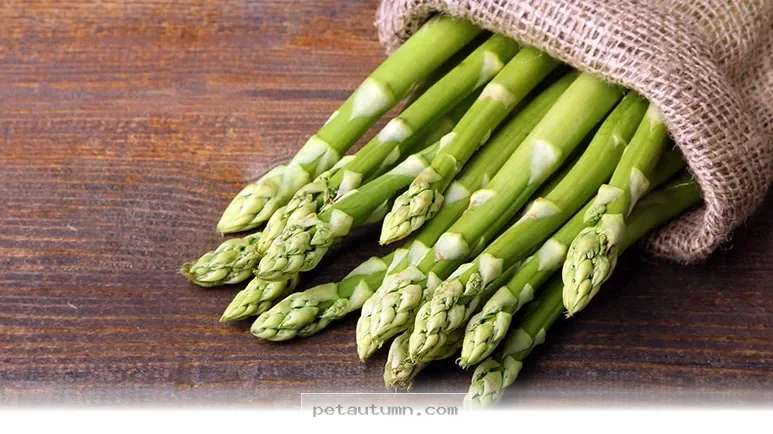
That slender, vibrant green spear sitting on your dinner plate might look like a simple vegetable, but it is actually a nutritional powerhouse. Asparagus is a quintessential spring favorite that offers your pet a surprising variety of health-boosting compounds tucked inside every bite.
If you have ever wondered whether you can share a piece of this crunchy snack with your four-legged companion, you will be happy to know that it is perfectly safe. It can even be a delightful, low-calorie addition to their regular, species-appropriate diet when served correctly.
Key Takeaways
- Asparagus is a rich source of glutathione, which acts as a master antioxidant and supports cellular detoxification.
- The vegetable contains inulin, a prebiotic fiber that feeds beneficial gut bacteria and supports a healthy microbiome.
- When selecting spears, always look for firm, smooth stalks with tightly closed tips for the best quality.
- You can serve asparagus raw or lightly steamed as a healthy, interactive treat for your pet.
Understanding the Green Spear
The asparagus you see in the grocery store is actually the young, edible shoot of a perennial plant belonging to the lily family. These spears are harvested early in the season when they are tender, typically reaching about seven to nine inches in height before they are plucked by hand.
While green is the most common variety, you might occasionally spot white or purple asparagus in your local market. Regardless of the color, all varieties provide a distinct, earthy flavor profile that many pets find quite interesting as a crunchy reward during training sessions.
The Power of Glutathione
One of the most impressive traits of asparagus is that it is one of the few natural food sources containing glutathione. This molecule is often referred to as a master antioxidant because it works tirelessly to protect cells from oxidative stress and damage.
By helping to scavenge free radicals and regenerate other essential antioxidants like vitamins C and E, glutathione supports your pet’s overall vitality. It is a vital component in maintaining healthy mitochondrial function and supporting the liver, which is the primary organ responsible for filtering toxins from the body.
Supporting Gut Health with Prebiotics
Beyond its antioxidant profile, asparagus serves as an excellent source of inulin. This specific type of prebiotic fiber is essential for your pet because it acts as food for the beneficial microorganisms living in their digestive tract.
A healthy, thriving microbiome is foundational to your pet’s immune system and long-term wellness. By introducing prebiotic-rich foods like asparagus, you are helping to foster a diverse gut environment that supports better digestion and systemic health.
Serving Tips and Considerations
When preparing this vegetable for your pet, keep things simple and avoid adding any oils, salts, or seasonings that might upset their stomach. You can offer the spears raw or lightly steamed, but remember that moderation is always the best policy with any treat.
How to Prepare Asparagus for Your Pet
- Selection: Choose firm, straight spears with tightly closed, compact tips to ensure they are fresh and crisp.
- Cleaning: Wash the spears thoroughly under cool running water to remove any lingering dirt or debris from the field.
- Preparation: Trim the tough, woody ends off the bottom of the stalk, as these can be difficult for some pets to chew.
- Serving: Cut the spears into bite-sized pieces appropriate for your pet’s size to prevent any potential choking hazards.
- Cooking: Lightly steam the pieces to soften the fiber, which can make them easier to digest for pets with sensitive tummies.
Comparison of Vegetable Treats
| Vegetable | Prebiotic Content | Best Serving Method | Caution |
|---|---|---|---|
| Asparagus | High (Inulin) | Lightly Steamed | Woody ends can be tough |
| Green Beans | Moderate | Raw or Steamed | Avoid canned with salt |
| Carrots | Low | Raw (Crunchy) | High in natural sugars |
| Broccoli | Moderate | Steamed | Feed in small amounts |
Note: Always remove woody stems before serving asparagus to ensure your pet can safely enjoy the treat.
Managing Potential Side Effects
You might notice a distinct, pungent odor in your pet’s urine shortly after they have enjoyed a snack of asparagus. This is a completely normal reaction caused by the breakdown of asparagusic acid, which produces sulfurous byproducts that are excreted through the urine.
While the smell might be unpleasant to your nose, it is not a sign of illness or any internal distress. As long as your pet is behaving normally and their bowel movements remain consistent, you have nothing to worry about regarding this natural biological response.
The information on petautumn.com is for general informational purposes only and does not constitute veterinary advice. Pet health needs vary by breed, age, and individual condition. Always consult a licensed veterinarian before making decisions about your pet’s health, diet, or medical treatment. Pet Autumn is not affiliated with any veterinary organization, pet food manufacturer, or breeder.
Incorporating fresh, whole foods like asparagus into your pet’s routine is a wonderful way to provide extra nutrients and variety. By choosing quality produce and preparing it with your pet’s safety in mind, you can feel confident about the snacks you are sharing.
Remember to keep your veterinarian in the loop regarding any significant changes to your pet’s diet. A balanced approach ensures that your furry friend stays happy, healthy, and energized for all your shared adventures.

Cat care writer at petautumn.com. English Literature graduate (S.S) from Universitas Udayana. Covers cat breeds, behavior, nutrition, grooming, and health. Cat mom to Luna and Lina. Based in Austin, Texas.