Written by Ayu Pratiwi
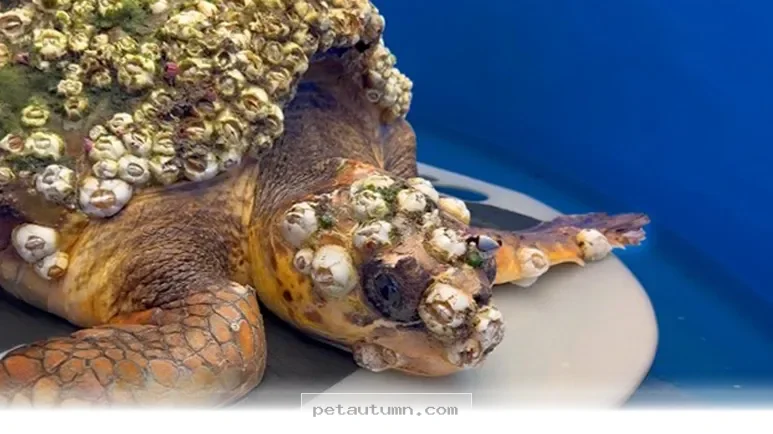
When Syrena the loggerhead sea turtle was discovered, the outlook was grim. She was found in a severely weakened state, struggling against the current and covered in parasites that drained her remaining energy.
Rescuers didn’t hesitate to step in, though the odds of survival were stacked against her. For 92 days, a dedicated team worked tirelessly to nurse this resilient creature back to health.
Key Takeaways
- Marine rescue teams provide critical support for injured sea turtles in the wild.
- Parasite management and nutritional support are essential for recovery from exhaustion.
- Patience and consistent care are the primary factors in successful animal rehabilitation.
- Loggerhead turtles face many human-made threats, including pollution and boat strikes.
Understanding the Loggerhead Rescue Process
Saving a sea turtle like Syrena is a complex task that requires specialized veterinary knowledge. These reptiles are master survivors, but they often need a helping hand when they encounter serious injuries or environmental stress.
The rehabilitation process is never a quick fix for these animals. It requires a quiet environment, clean water, and a diet tailored to their specific recovery needs.
1. Initial Assessment and Stabilization
Upon arrival, the rescue team performed a thorough examination to identify the extent of her injuries. Stabilizing a marine animal requires monitoring their hydration levels and ensuring they can maintain buoyancy.
2. Parasite Management
Syrena was battling a heavy load of external parasites that were compromising her immune system. The medical team used gentle, safe methods to remove these pests without causing further stress to her fragile system.
3. Nutrition and Rehydration
Recovery cannot happen if the animal is not eating well. The staff carefully introduced high-quality, nutrient-dense food to help her regain the weight and muscle mass she lost while drifting at sea.
4. The Long Road to Release
As she grew stronger, the focus shifted to monitoring her swimming behavior and stamina. The team watched for signs that she was ready to navigate the open ocean once again.
| Recovery Phase | Primary Goal | Status |
|---|---|---|
| Intensive Care | Stabilization | Complete |
| Medical Treatment | Parasite Removal | Complete |
| Physical Therapy | Regain Stamina | Ongoing |
| Final Clearance | Release Readiness | Pending |
Rehabilitation success depends heavily on the animal’s ability to transition back to natural feeding behaviors.
How You Can Support Marine Life
You might wonder what you can do to help sea turtles in your own coastal community. Simple actions often have the biggest impact on keeping our oceans safe for these ancient travelers.
1. Participate in Beach Cleanups
Plastic waste is a major threat to sea turtles who often mistake debris for food. By joining local beach cleanup efforts, you help remove potential hazards before they reach the water.
2. Follow Proper Boating Guidelines
If you enjoy time on the water, always keep a sharp lookout for turtles near the surface. Staying within speed limits in marked zones significantly reduces the risk of accidental boat strikes.
3. Support Conservation Organizations
Many organizations, such as the ASPCA, work tirelessly to advocate for animal welfare. Donating your time or resources to reputable wildlife centers helps ensure that facilities are ready for the next rescue case.
4. Keep Lights Low Near Beaches
During nesting season, artificial lighting can disorient hatchlings trying to reach the ocean. If you live near the coast, consider using turtle-friendly lighting or shielding your outdoor fixtures at night.
The information on petautumn.com is for general informational purposes only and does not constitute veterinary advice. Pet health needs vary by breed, age, and individual condition. Always consult a licensed veterinarian before making decisions about your pet’s health, diet, or medical treatment. Pet Autumn is not affiliated with any veterinary organization, pet food manufacturer, or breeder.
Syrena’s story serves as a beautiful reminder of what is possible when we choose to help those in need. Every animal, no matter how small or seemingly hopeless the situation, deserves a chance to thrive.
The persistence shown by the rescue team turned a tragic situation into a story of hope. While her journey isn’t over yet, Syrena’s transformation proves that compassion truly makes a difference.

Cat care writer at petautumn.com. English Literature graduate (S.S) from Universitas Udayana. Covers cat breeds, behavior, nutrition, grooming, and health. Cat mom to Luna and Lina. Based in Austin, Texas.