Written by Kadek Darma
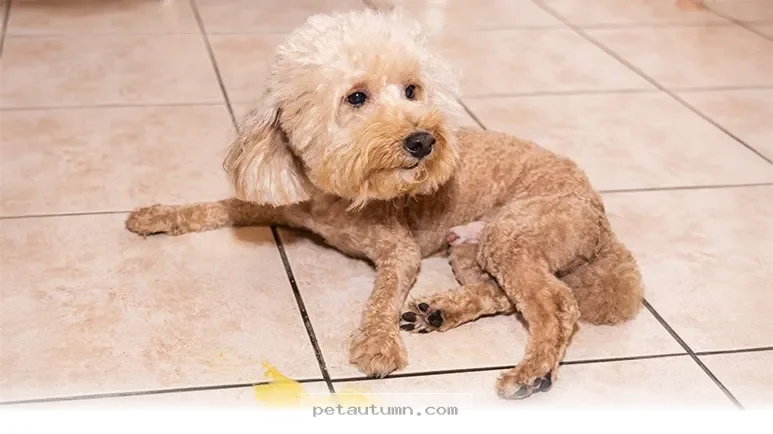
You walk into the kitchen and spot a puddle of bright yellow, foamy liquid waiting for you. Your dog is standing nearby, tail wagging, looking perfectly normal and ready for breakfast.
You might assume it is just a case of an empty stomach, but it is worth taking a closer look. Understanding why this happens can help you decide when to offer a snack and when to call your veterinarian.
Key Takeaways
- Yellow or greenish vomit is typically bile, a digestive fluid that backs up into an empty stomach and irritates the lining.
- Bilious Vomiting Syndrome is a common, manageable condition often solved by adjusting feeding schedules.
- Serious emergencies like intestinal blockages, pancreatitis, or bloat can also manifest as yellow vomit.
- Watch for red flags such as lethargy, a swollen abdomen, pale gums, or repeated vomiting that requires immediate medical attention.
- Always avoid human medications and consult a professional before attempting to treat your dog at home.
What Is That Yellow Stuff?
The yellow fluid your dog throws up is almost always bile. This digestive fluid is produced in the liver and stored in the gallbladder to help break down fats in the small intestine.
When something causes the bile to travel backward into the stomach, it creates irritation. This leads to the characteristic yellow or greenish, often foamy, vomit that many dog owners recognize.
Common Causes of Yellow Vomit
If your dog is acting completely normal otherwise, they might simply be experiencing an empty stomach. Below is a breakdown of why this happens and other potential triggers to monitor.
1. Bilious Vomiting Syndrome (BVS)
This is one of the most common reasons for morning yellow vomit. When a dog goes too long between meals, bile can reflux into the stomach and cause nausea.
- Signs: Vomiting usually happens early in the morning or late at night.
- The Fix: Many owners find success by offering a small snack right before bedtime.
- Adjustment: Try spreading your dog’s daily food intake into smaller, more frequent meals.
2. Dietary Indiscretion or Sensitivity
Dogs are notorious for eating things they should not. Sometimes, a change in diet or a snack that is too rich in fat can upset their system.
- Common Triggers: High-fat table scraps, sudden food changes, or scavenging during walks.
- Management: Keep a strict diet and avoid sharing human food.
- Sensitivity: Some dogs require specific limited-ingredient diets if they have chronic sensitivities.
3. Serious Medical Conditions
While occasional vomiting might seem minor, yellow vomit can also signal underlying health issues. You should monitor your dog closely for any changes in behavior or appetite.
| Condition | Severity Level | Action Needed |
|---|---|---|
| Bilious Vomiting Syndrome | Mild | Adjust meal schedule |
| Food Sensitivity | Moderate | Consult your vet |
| Intestinal Blockage | Critical | Emergency Vet Visit |
| Bloat (GDV) | Critical | Immediate Emergency Care |
Understanding the difference between a minor stomach upset and a medical emergency is essential for your dog’s safety.
When to Contact Your Vet
While a one-time event might not be cause for alarm, certain symptoms are clear indicators that your dog needs help. Please reach out to your veterinarian if you notice any of the following:
- Repeated vomiting episodes within a 24-hour period.
- Evidence of blood in the vomit or stool.
- A firm, swollen, or painful abdomen.
- Extreme lethargy or a sudden lack of interest in surroundings.
- Inability to keep water down or refusal of food.
- Dry heaving or unproductive retching.
Emergency Warning Signs
Bloat, or gastric dilatation and volvulus, is a life-threatening condition that requires instant action. If your dog is pacing, panting, heaving without producing anything, or appears distressed with a tight belly, do not wait for the morning.
For more information on digestive health, you can visit the American Kennel Club for breed-specific advice. Always keep your veterinarian’s contact information handy for these situations.
Home Care and Prevention
If your vet has cleared your dog and confirmed the issue is mild, you can take steps to prevent it from happening again. Proper management often keeps those yellow puddles off your floor for good.
1. Feed Smaller, Frequent Meals
Instead of one large meal, try offering three or four smaller portions throughout the day. This prevents the stomach from remaining empty for too long.
2. Avoid Rich Table Scraps
High-fat foods are a major trigger for pancreatitis. Stick to your dog’s regular, balanced diet to keep their digestive system stable.
3. Monitor Their Environment
Ensure your dog cannot access garbage cans or small items they might try to eat. Many cases of vomiting are simply the result of a dog eating something they should not have.
The information on petautumn.com is for general informational purposes only and does not constitute veterinary advice. Pet health needs vary by breed, age, and individual condition. Always consult a licensed veterinarian before making decisions about your pet’s health, diet, or medical treatment. Pet Autumn is not affiliated with any veterinary organization, pet food manufacturer, or breeder.
Your dog relies on you to notice when something feels off, even if they still want to play. By staying observant and knowing when to seek professional help, you provide the best possible care for your companion.
If you ever feel unsure about your dog’s health, it is always better to call your vet for peace of mind. They can help you determine if your pup needs a check-up or just a simple adjustment to their dinner routine.

Dog care writer at petautumn.com. Visual Communication Design graduate (S.Ds) from Universitas Udayana. Covers dog breeds, behavior, training, and gear reviews. Dog dad to Meepo. Based in Austin, Texas.